NASA tests iterative wing design for more efficient and economical flights
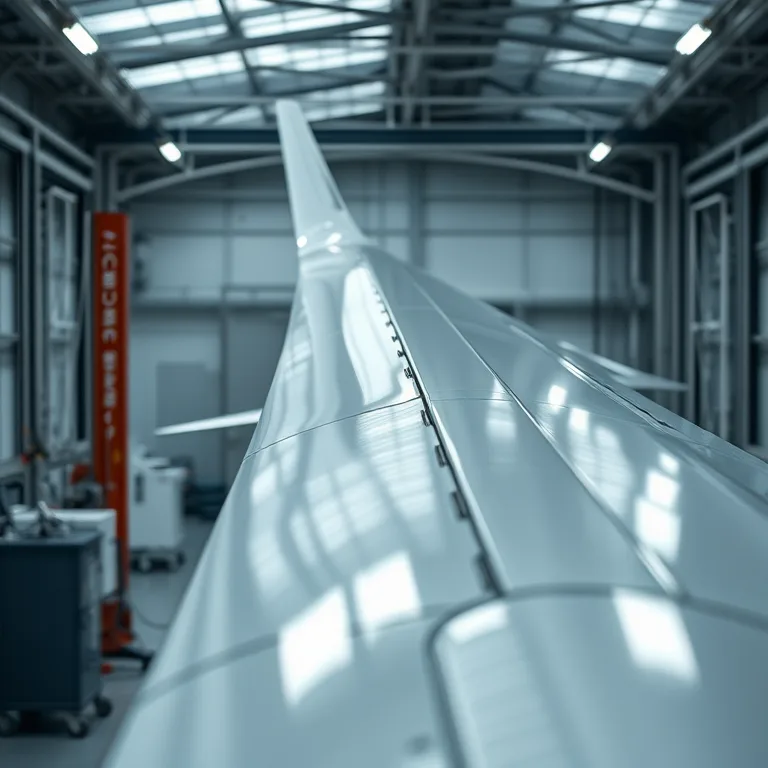
A team of NASA researchers has completed a series of critical structural tests on a new type of wing design aimed at transforming the efficiency of future aircraft. The project, based on the SWEET-15 (Structural Wing Experiment Evaluating Truss-bracing) model, focuses on developing long, thin, and extremely lightweight structures supported by aerodynamic struts.
The primary goal of the study is to determine whether combining five different composite material manufacturing technologies can allow passenger aircraft to save significant amounts of fuel without compromising structural integrity. The test specimen was designed and manufactured at NASA's Langley Research Center, while the testing itself is being conducted at the Armstrong center in California.
During the months-long tests, engineers used advanced fiber-optic sensors to monitor material stress and response in real time. The data confirmed the accuracy of the agency's computer models, showing that the structure withstands expected flight loads without issue.
The culmination of the tests was the so-called "test to destruction." Engineers intentionally increased the load beyond design limits to determine critical failure points. The structure failed at approximately 127% of the predicted limit load, with the first visible deformations appearing in the upper section and near the trailing edge of the wing. This provided invaluable information regarding the strength of the connections between the wing and its struts.
This is the first instance in which a composite wing with such a configuration has undergone such a detailed structural assessment. The results from the "Subsonic Flight Demonstrator" project will serve as a foundation for creating the next generation of lighter, stronger, and more environmentally friendly aviation technologies.

Comments (0)