Archaeologists discover remains of 14 slave trade ships in the northern Bahamas
A study by the 'Lost Ships of the Bahamas' project has identified 14 sunken vessels used to transport enslaved Africans between 1704 and 1887.
A section for knowledge, discoveries, and research that explain the world and provide context to important processes.
A study by the 'Lost Ships of the Bahamas' project has identified 14 sunken vessels used to transport enslaved Africans between 1704 and 1887.
The "State of the Climate in Europe 2025" report reveals accelerating warming rates, record ocean heating, and extreme weather events across the globe.
Residents of the Kazakhstani capital, Astana, are experiencing unprecedented temperature records. The National Hydrometeorological Service warns of a continuing heatwave, while experts warn of increasing health risks.
A new study reveals that 96.8% of the population in Bulgaria's five largest cities are exposed to transport noise exceeding 55 decibels. The highest levels are recorded in Plovdiv, Ruse, and Burgas.
Through the use of satellite internet and artificial intelligence, the SPARROW project in Colombia is transforming how scientists monitor and protect wildlife in remote areas.
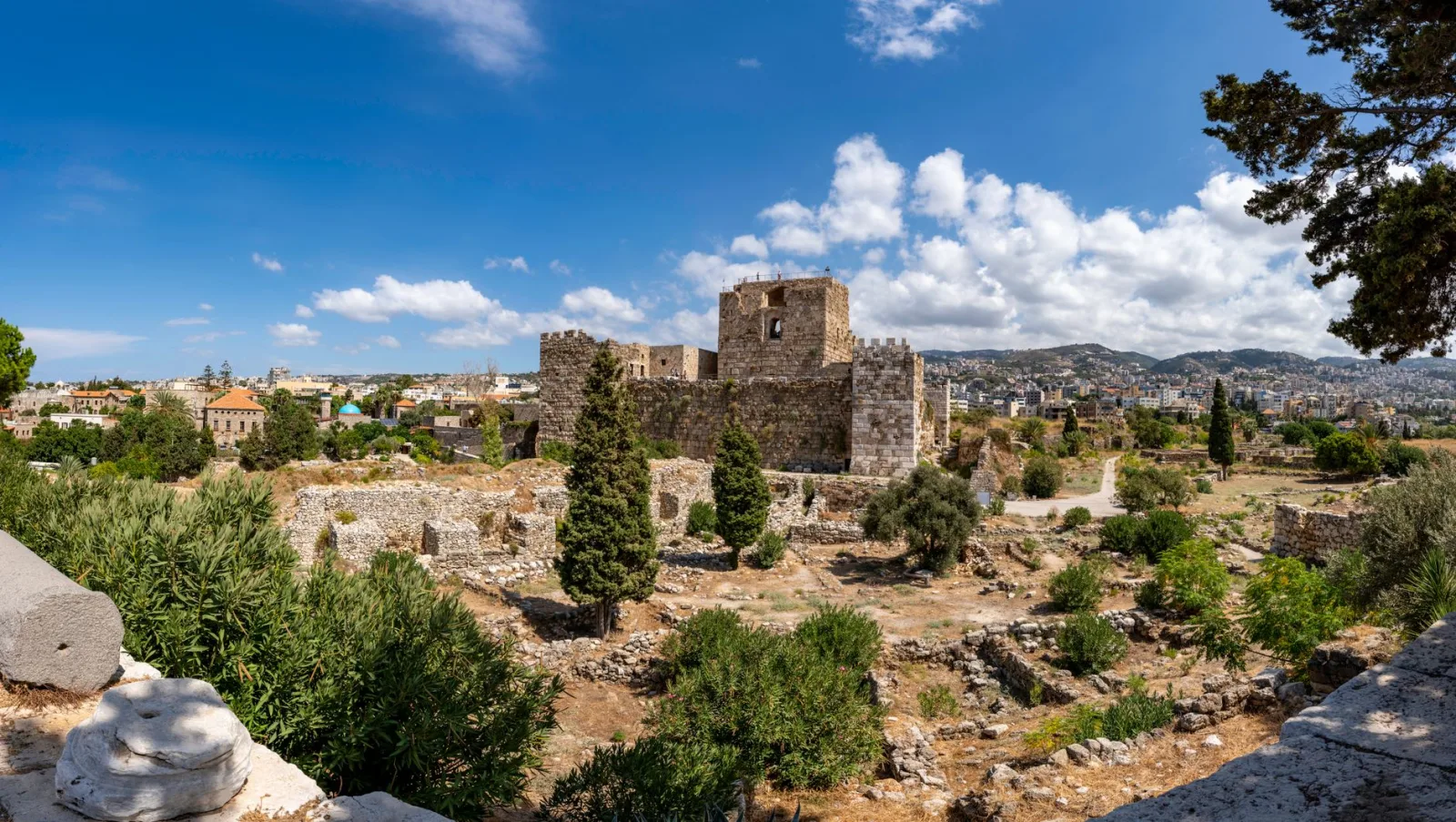
The UNESCO Committee decided to include the archaeological site of Sebastia on the West Bank and a complex of five castles in Lebanon in the World Cultural Heritage List, despite protests from Israel.
The Botevgrad Municipality is offering advance funding for archaeological studies of the ancient and medieval 'Bozenishki Urvich' fortress to ensure they take place during the next season.
Archaeological studies of the 'Yunatsite' settlement mound in Pazardzhik reveal the history of a civilization that existed 7,000 years ago. From the discoveries of Assoc. Prof. Kamen Boyadzhiev, early wine production and even examples of ancient surgery are revealed.
The European Union impacts the fashion industry with a new regulation that prohibits the destruction of unsold clothing and footwear. The measure aims to reduce textile waste and transition toward a circular economy.
With a small population subject to intensive scientific control, wolves are returning to Denmark. Authorities are distributing safety instructions to protect tourists and minimize conflicts with farmers.
The Ministry of Environment and Water pointed to Northeastern Bulgaria as a model for combining the economic benefits of agriculture with the preservation of beautiful natural landscapes.
Experts warn of large-scale drying of forest plantations in Northeastern Bulgaria. Climate change and human factors threaten ecosystems and shelterbelts, which could lead to catastrophic economic consequences.
The Director of RIM Haskovo, Dr. Veselina Uzunova, has been awarded the title of Associate Professor by the Institute for Historical Studies of the Bulgarian Academy of Sciences. This success is the result of her extensive research on the history of the Haskovo region, medicine, and local personalities.
While attention is focused on people and homes, teams from the Wildlife Rescue Center conduct arduous missions in burned territories to find survivors.
The appearance of the large white-fronted Decticus in various regions of Bulgaria is not a cause for alarm. Experts confirm that the species is not dangerous to humans, pets, or agricultural crops.
We use cookies to run the site, remember your preferences and — only with your consent — for statistics and third-party content. You can change your choice at any time from the footer. Details: Cookie policy