Scientists Discover the 'Genetic Code' of Future Pandemics: How Can We Predict the Next Global Threat?
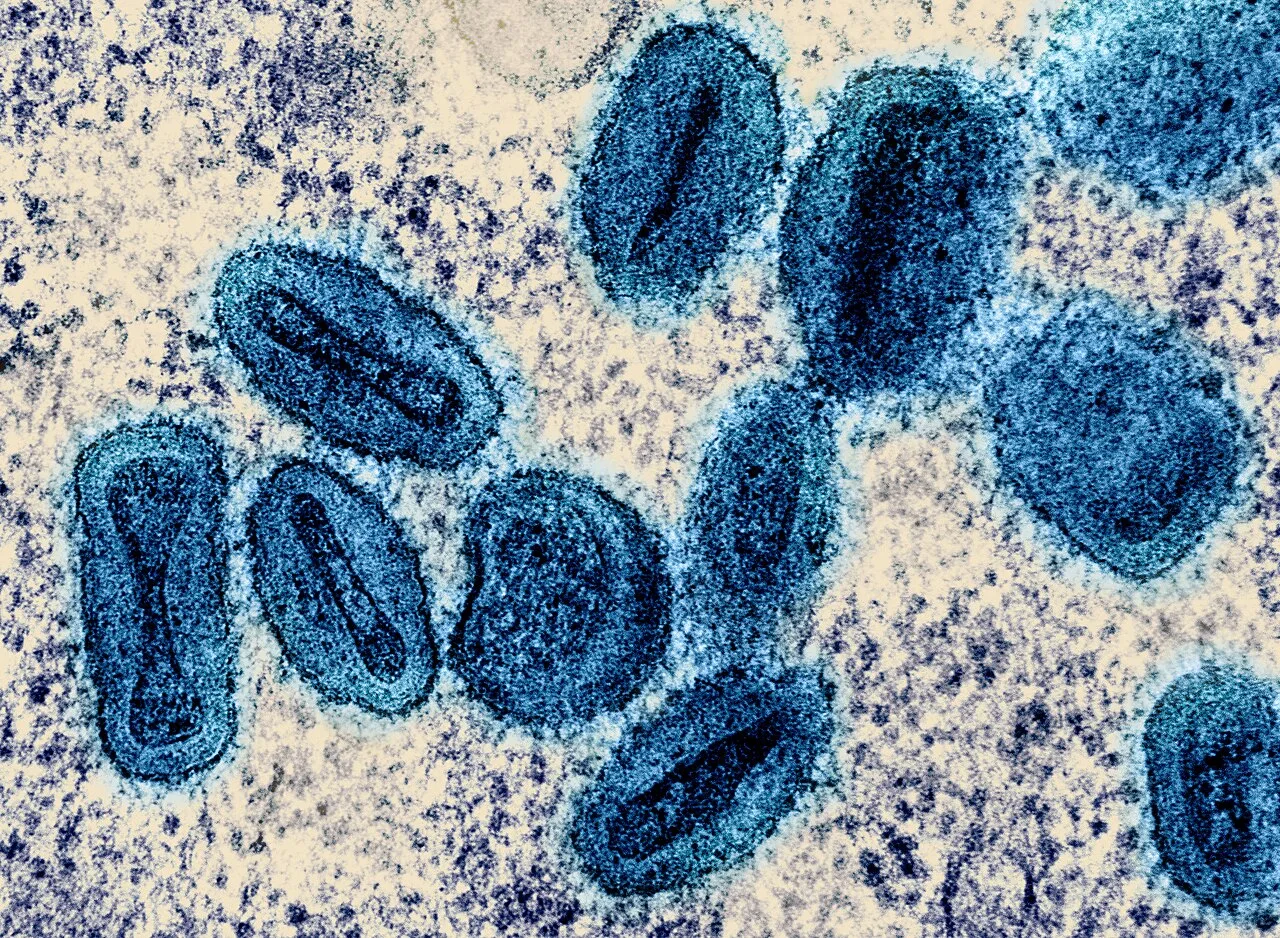
The global scientific community is on the brink of a revolution in how we predict future pandemics. Scientists from the University of Edinburgh have succeeded in establishing the common evolutionary characteristics of pathogens that possess the potential to trigger a global health crisis similar to COVID-19.
According to a study published in the journal Refractor, the key to preventing future mass infections lies in the early recognition of dangerous signs in viral evolution. The analysis of hundreds of pathogens allows experts to distinguish local infections from those that have a real chance of turning the world into a pandemic epicenter.
RNA Viruses: The Greatest Challenge
The primary source of risk is RNA viruses. Unlike DNA structures, ribonucleic acid mutates extremely rapidly, allowing pathogens to lightning-fast adapt to the human organism. Although only a small fraction of known RNA viruses can infect humans, their capacity for transformation is a critical factor for their survival.
From Animals to Humans: The Risk of Zoonoses
A large portion of dangerous viruses are so-called zoonoses—infections that pass from animals to humans. While some viruses, such as rabies, do not show an ability for easy transmission between humans, others—such as avian flu—maintain a high level of concern among scientists due to their continuous mutations. Experts warn that if such a virus enters a densely populated urban area, the risk of an uncontrollable explosion of cases is enormous, similar to the Ebola case in 2014.
The Model is Already Working
The developed model has already proven its effectiveness by identifying the potential danger of viruses such as chikungunya, Zika, and monkeypox even before they caused mass epidemics. Scientists emphasize that the greatest threat comes from viruses that are close relatives of already known human pathogens but are evolving independently in the animal kingdom—exactly as happened with SARS-CoV-2.
According to the researchers, future protection against pandemics will not depend solely on vaccines, but on the ability of the global surveillance system to detect dangerous pathogens in their first days of appearance, before they have managed to spread invisibly through the population.


Comments (0)