Cyclospora Parasite Surge: Thousands of Gastrointestinal Infections in the USA and Expert Warnings
A mass outbreak of the parasite Cyclospora cayetanensis, which causes cyclosporiasis—a serious intestinal disease—has been recorded in the United States. Health authorities, including the Centers for Disease Control and Prevention (CDC) and the FDA, are investigating thousands of cases, with over 1,600 infections already confirmed and the total number of suspected cases exceeding 5,100.
What is the infection?
Cyclosporiasis is an infection that attacks the small intestine and manifests through severe, often "explosive" watery diarrhea. Key symptoms include abdominal cramps, bloating, nausea, fatigue, and loss of appetite. One specific characteristic of this parasite is its life cycle—symptoms can last for weeks or even months, often appearing in waves if proper treatment is not applied.
The incubation period varies from two days to two weeks, making it extremely difficult to trace the source of infection. Patients often cannot recall what they consumed in the period before the first signs appeared.
Risks in the food chain
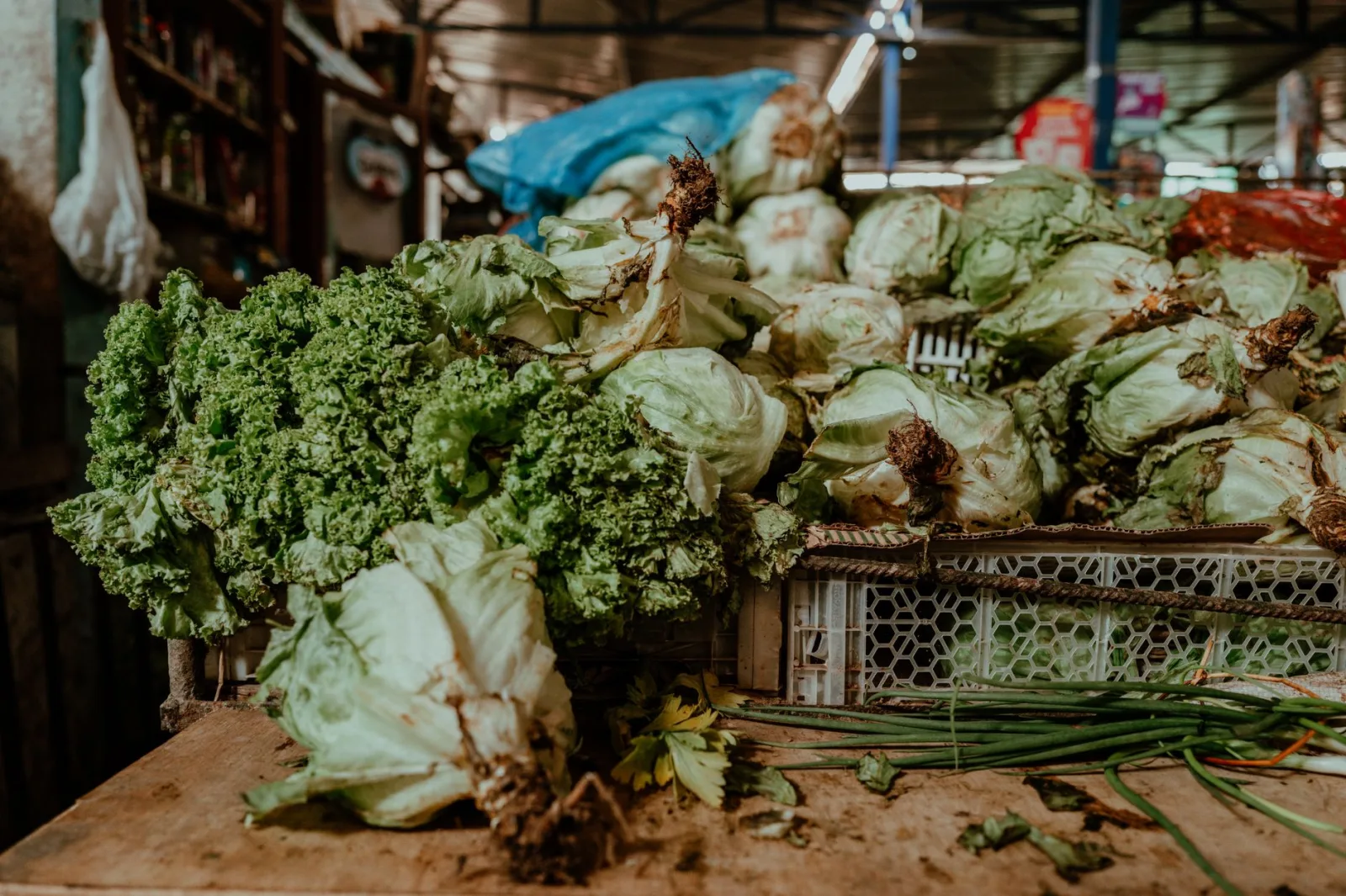
Experts indicate that the primary route of infection is through the consumption of contaminated food or water. Fresh fruits and vegetables consumed raw pose the highest risk. Past outbreaks have been linked to cilantro, basil, raspberries, leafy greens, and green onions. The parasite spreads via the fecal-oral route, often entering food as early as the agricultural production stage—through irrigation water or poor sanitary conditions during harvesting.
Dr. Tyler Evans, a public health specialist, emphasizes that protection does not depend solely on consumers, but on the effectiveness of food safety controls at the farm level. "When inspection systems are underfunded, we advise people to wash their lettuce, but that is only a substitute for real prevention," he notes.
How to protect yourself?
Although the CDC recommends thoroughly washing fruits and vegetables under running water, specialists warn that this is not a completely reliable solution. Cyclospora possesses a hardy outer shell that allows the parasite to cling to the irregularities of leaves or the fuzz of fruits, and standard disinfectants cannot destroy it.
Key safety recommendations:
- Thermal treatment: Cooking food to an internal temperature of at least 70°C is the only sure way to destroy the parasite.
- Thick-skinned fruits: Bananas, oranges, and avocados pose a lower risk, as their outer skin is removed before consumption.
- Hygiene: Good hygiene during food preparation is mandatory, although it only reduces, rather than eliminates, the risk with raw products.

Comments (0)