Geopolitical Shock: How Middle East Tensions Threaten European and Bulgarian Agriculture
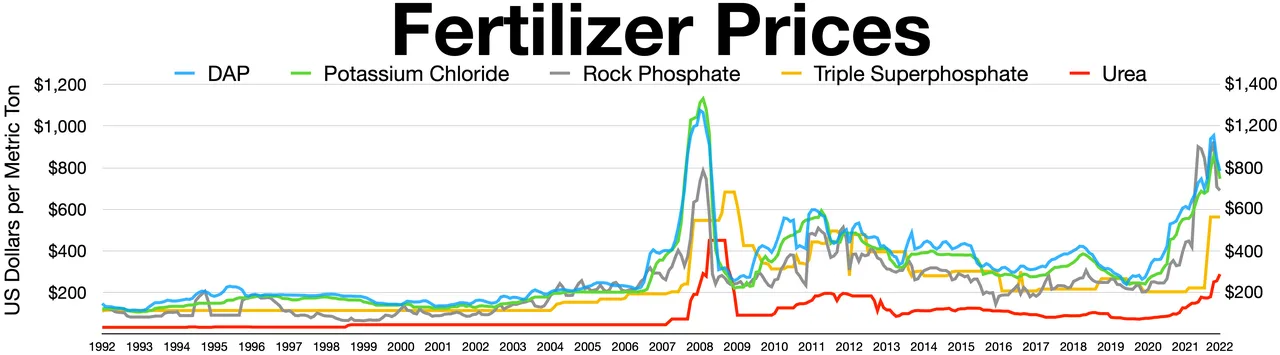
Tensions in the Middle East are turning price risks for fertilizers into a real threat to food production in Europe. Although there is currently no physical shortage of resources, low nitrogen fertilizer stocks and persistently high prices are putting farms in a critical position.
The Link Between Conflict and the Fields
The main mechanism of the crisis is the dual dependence on natural gas – it is both an energy source and a key raw material for ammonia production. A blockade or delay in supplies through the Strait of Hormuz, through which about one-third of the world's maritime exchange of nitrogen fertilizers passes, sends energy prices skyrocketing. In the EU, gas prices are already trading significantly above last year's levels, which is directly passed on to fertilizer production costs.
The Effect on the European Market
German agricultural producers warn that although stocks for the current season are available, future levels are "dangerously low." A trend of postponing purchases is already being observed – the Norwegian producer Yara reports a decline in sales as farmers expect better quotes. This risk extends to the autumn sowing and the 2027 harvest, as less fertilization leads to lower and lower-quality yields of wheat, corn, and rapeseed.
The Situation in Bulgaria: A Price Trap
For Bulgarian agriculture, the main problem is not a lack of product, but economic unprofitability. Although the local producer "Agropolychim" provides a certain level of market accessibility and reduces direct dependence on imports through the Middle East, Bulgarian farmers are highly vulnerable to international quotes.
The combination of high mineral fertilizer and fuel prices, coupled with low grain purchase prices, is eating away at the margins of Bulgarian grain producers. The National Association of Grain Producers is already calling for urgent government measures, as the risk of reduced nitrogen fertilization threatens the quality of bread wheat and future yields in the country.
The European Commission views fertilizers as a strategic resource. Long-term instability in supply chains and high production costs place the EU's food security in a state of constant uncertainty.
Comments (0)