Bulgarian Livestock in Crisis: Herds are Shrinking, while Dairy Imports Jump by 43%
Bulgarian livestock farming is undergoing a period of heavy structural transformation, marked by a sharp decline in animal numbers and an increasing dependence on external markets. While the European Commission is adopting a comprehensive Livestock Strategy for the first time, defining the sector as strategic for EU food security, local producers are facing a harsh reality.
Decline in Sheep Farming and Dairy Production
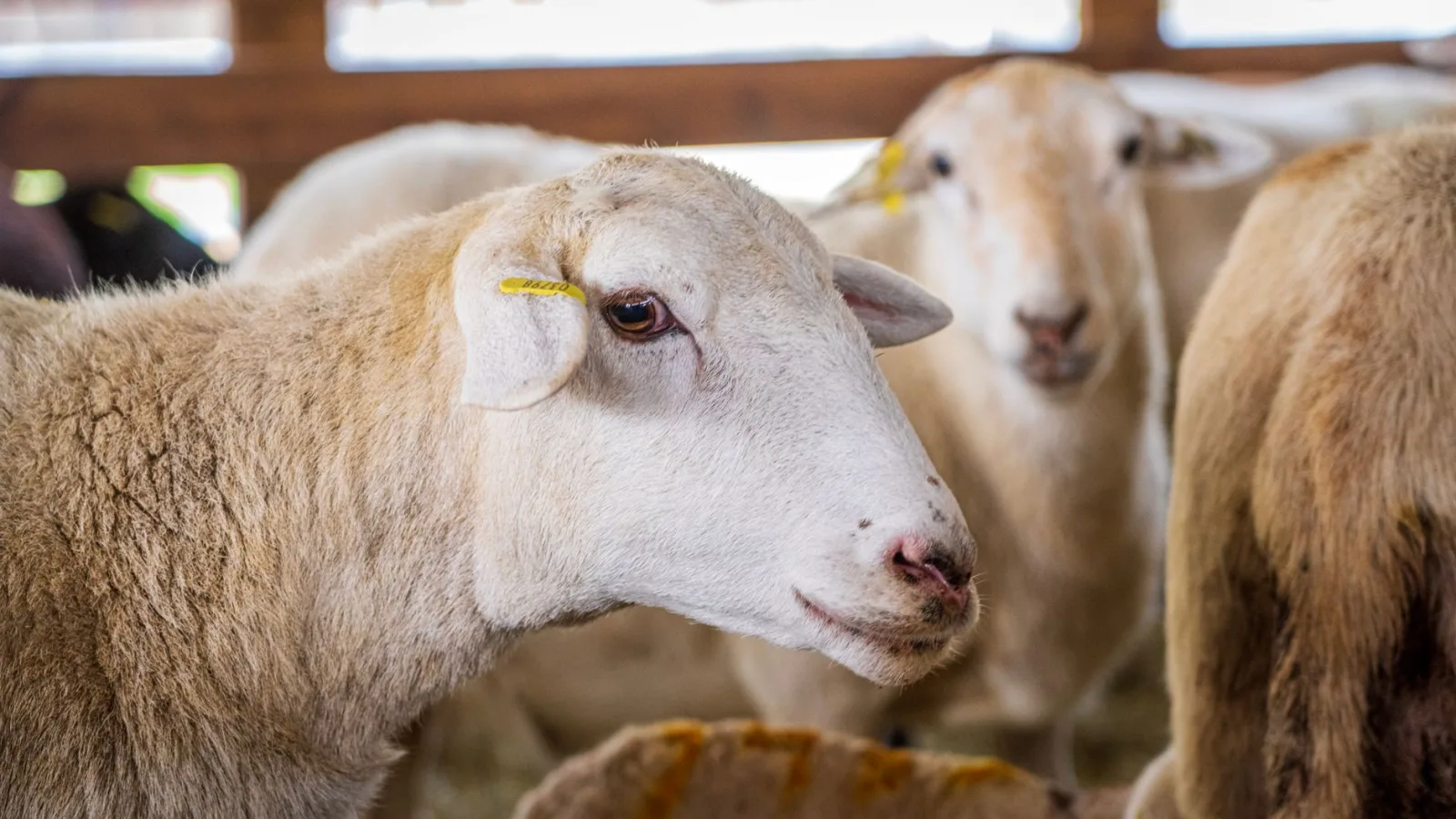
Data from the Ministry of Agriculture and Eurostat reveal a worrying trend. The number of sheep in Bulgaria has fallen from over 1.3 million in 2015 to just over 1 million in 2024, with forecasts for next year indicating a further decline to below 968 thousand. Goats are also showing negative dynamics, stagnating at around 145 thousand. The most serious blow is to dairy production – over the last five years, raw milk yield has decreased by nearly 25%, which is also tracked by a sharp 43% increase in dairy product imports.
Causes of the Crisis
Experts point to a combination of factors squeezing small and medium-sized farms. After 2021, the sector was hit by high inflation, leading to a surge in the prices of feed, electricity, and veterinary products. In parallel, epizootics such as African Swine Fever and diseases like scrapie in sheep forced farmers to cull hundreds of thousands of animals. The lack of local infrastructure, especially small and mobile slaughterhouses, forces producers in remote and mountainous regions to transport animals over huge distances or negotiate with intermediaries on unfavorable terms.
Market Dependency
Meat production in Bulgaria remains weak. Currently, only about 20% of the beef used in the local industry is domestically produced, while for poultry, the share is around 50%. Cheap imports from third countries make it difficult for local producers to compete and halt investments in capacity expansion.
The New European Strategy
In response to these challenges, Brussels is presenting a plan aimed at turning livestock farming into "critical infrastructure." The new strategy envisions stricter reciprocal import standards, funding for the transition to new farming systems, and support for the construction of mobile slaughterhouses. The goal is to increase the share of European protein crops for feed by 2035 to reduce dependence on imported soy. For Bulgaria, the success of these measures will depend on whether they are translated into real national policy capable of protecting small farms and restoring local production.
Comments (0)