Energy Trap for Europe: IMF Lowers Growth Forecasts and Warns of New Inflationary Shock
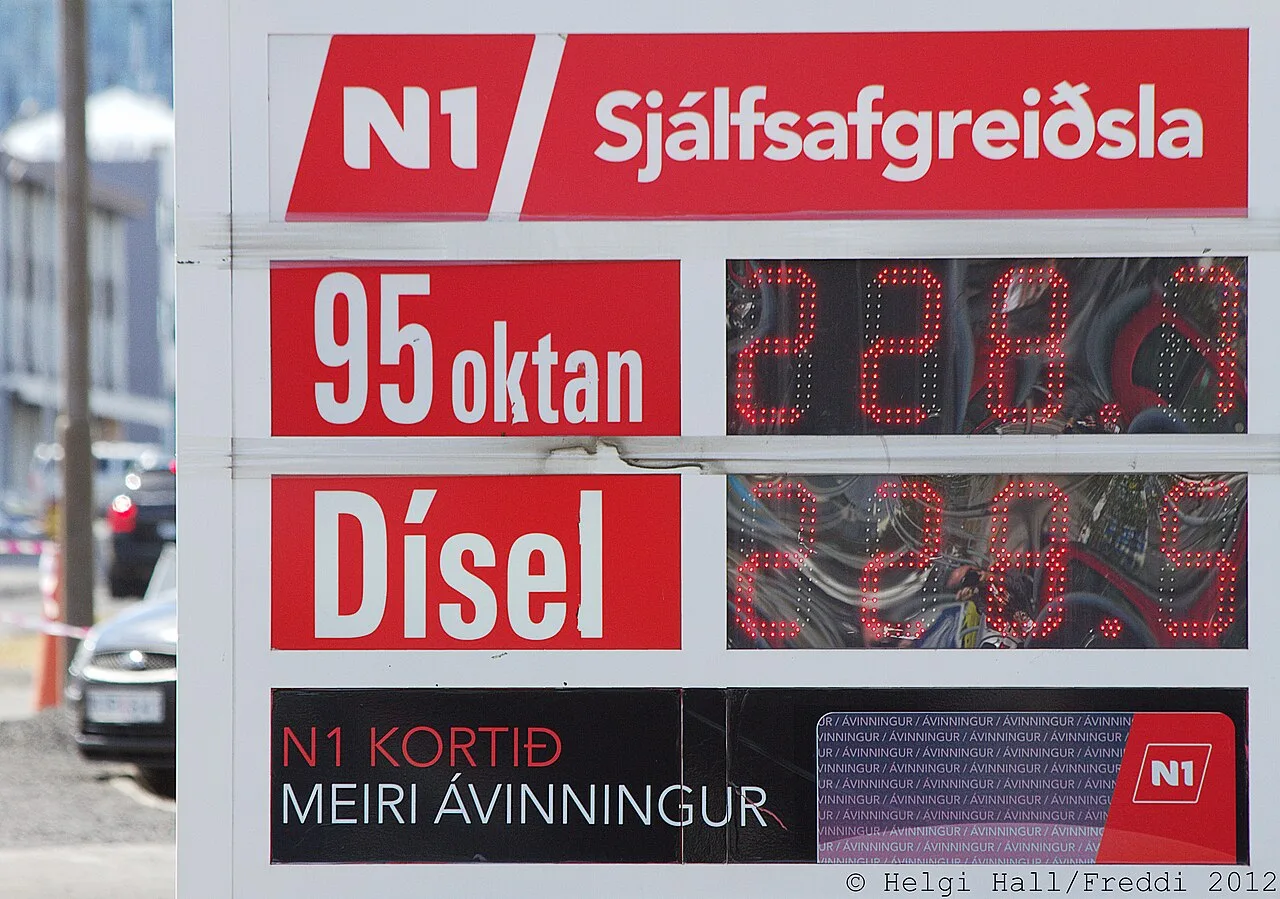
The European economy is facing one of its toughest tests in recent years. According to the latest assessment by the International Monetary Fund (IMF), geopolitical tension in the Middle East risks undermining the economic stability of the eurozone while simultaneously intensifying inflationary pressure.
Lowered Growth and Inflationary Risk
The IMF has revised its economic growth forecasts for the eurozone, expecting it to slow from 1.4% in 2025 to just 0.9% in 2026. This half-percentage point decline is a direct consequence of uncertainty surrounding energy supplies and the disruption of trade routes. In parallel, inflation, which had already approached the European Central Bank's (ECB) targets, is expected to jump to 2.9% in 2026, remaining above the desired level.
Depleting Energy Buffers
One of the most critical factors is the fact that strategic oil reserves, which have so far cushioned the blow from energy shocks, are beginning to deplete. Although temporary production increases outside the Persian Gulf (from the US, Russia, and other countries) helped stabilize the market, the IMF warns that this "safety buffer" is running out. Even if shipping through key points like the Strait of Hormuz normalizes, it will take months for market confidence to fully recover.
The Dilemma for the ECB and Governments
European policymakers and central bankers are squeezed into an "uncomfortable combination." High inflation requires higher interest rates, but the economic slowdown requires stimulus. However, higher interest rates could suppress investment and consumption even further. On the other hand, governments have limited fiscal space, as they must fund defense, the green transition, and social systems amidst an aging population.
Future Risks
In addition to the energy factor, the IMF points to other potential crisis triggers: escalation of the war in Ukraine, trade conflicts, and a global flight from risky assets. For Bulgaria and the region, these trends mean higher energy price volatility and more expensive lending, which requires careful planning of fiscal and monetary policy.


Comments (0)