WHO: Regular consumption of processed meat products is linked to a high risk of oncological diseases
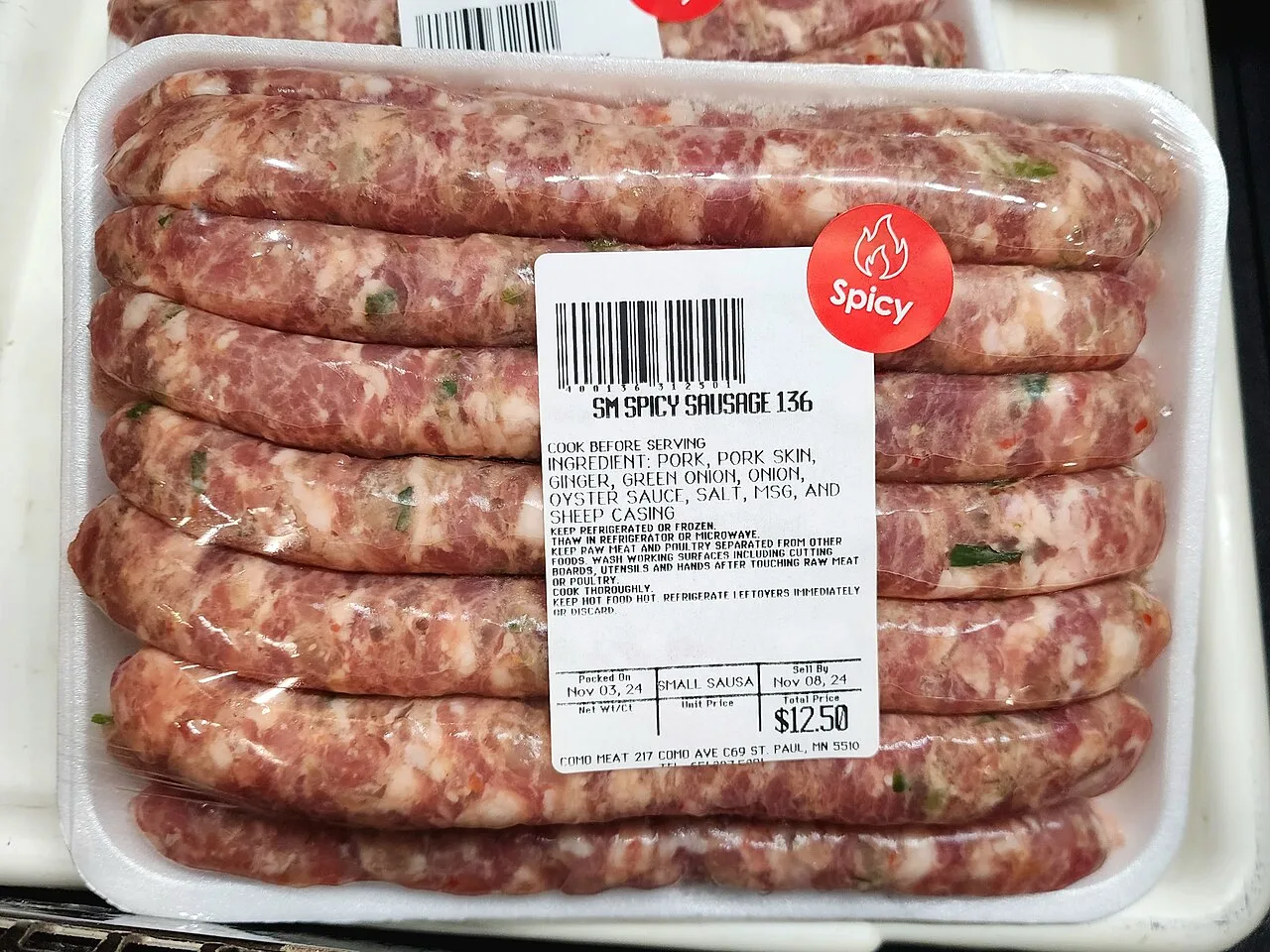
The World Health Organization (WHO) confirms the existence of a categorical link between the regular consumption of processed meat products and the development of oncological diseases. According to data from the International Agency for Research on Cancer, products such as sausages, hot dogs, salami, bacon, and ham are classified in Group 1 of carcinogens — a category that also includes tobacco smoking and asbestos.
Health risks and statistical data
Scientific evidence of the harmful effects of these foods is compelling and well-documented. Analyses show that the intake of just 50 grams of processed meat per day increases the risk of developing colorectal cancer by about 18%. Although this percentage may seem small for an individual, at a population level, it represents a significant threat to public health.
Analyses from 2025 further link high intake of ultra-processed foods not only to oncological risks but also to increased overall mortality, as well as a higher risk of cardiovascular diseases.
Reasons for the carcinogenic effect
Specialists point out that the main problem is not the meat itself, but the technological processes of its processing. Processes such as smoking, drying, and the addition of preservatives (nitrites and nitrates) lead to the formation of nitrosamines. These chemical compounds are proven to be capable of damaging human DNA, which is the primary factor for increased oncological risk.
In this regard, scientists and health organizations are insisting on the introduction of mandatory warning labels on sausage packaging, similar to those on cigarettes, to ensure clear information for consumers.
Expert recommendations
In response to these data, the WHO recommends a drastic limitation of processed meat products. Instead, a transition to a diet rich in fruits, vegetables, and whole grains is encouraged. According to experts, informed choice and moderation are key to protecting health in the long term.


Comments (0)