Grain production in the EU expected to decline due to drought and high temperatures
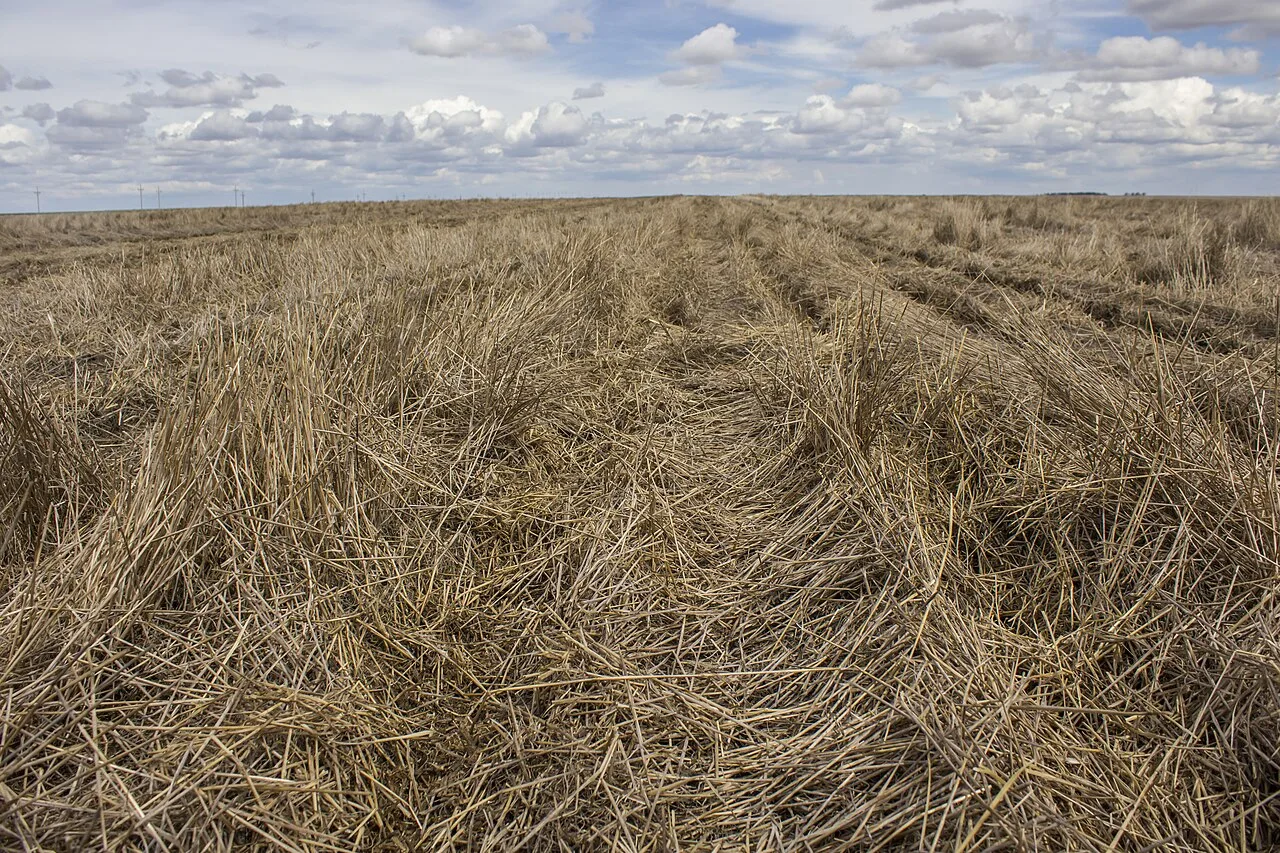
Forecasts for decline in grain production in the EU
The combination of drought and high temperatures is the primary reason for the expected decline in grain production in the European Union, UkrAgroConsult reports, citing estimates from experts at the US Department of Agriculture (USDA). According to the forecasts, total grain production in the EU this season is expected to reach 266 million tons, representing an 8% decrease compared to last year.
The most significant decrease in average yields is expected in Hungary, France, Germany, and Poland. In addition to unfavorable climatic conditions, factors contributing to the decline are the rising cost of fertilizers and the reduction of arable land.
Crisis in corn production
Climatic conditions have had the most negative impact on the corn harvest. The forecast for its production has been reduced to 52.5 million tons – 1.25 million tons less than last year's level, which would be the lowest figure since the 2022/23 season.
Farmers have reduced corn acreage due to concerns about lack of soil moisture and high losses. Among the countries with the largest reduction in arable land for this crop are France, Germany, Spain, Bulgaria, and Portugal.
Wheat situation and the role of Bulgaria
USDA experts also reduced the wheat harvest forecast to 133.8 million tons, an 8% decrease compared to the previous year. The reason for this is the repeated crossing of the 35-degree temperature threshold during heatwaves since May.
In the context of the overall decline, Bulgaria and Romania remain among the few EU countries expected to have a better harvest compared to earlier forecasts.
Impact on markets and imports
Due to the decrease in production, especially in France and Hungary, the EU is expected to increase grain imports from third countries. Forecasted imports are rising to 28.4 million tons compared to 26.5 million tons in the previous fiscal year. Key suppliers of corn for the European market are expected to be the USA, Ukraine, Brazil, and Canada.
The decline in production could lead to a significant reduction in ending grain stocks – from 37.5 million tons for the 2025/26 year to 29.6 million tons. This could increase pressure on European markets regarding the balance between supply and demand.
Comments (0)