Europe's Infrastructure Under Pressure from Heatwaves: From Artificial Intelligence to Painting Rails White
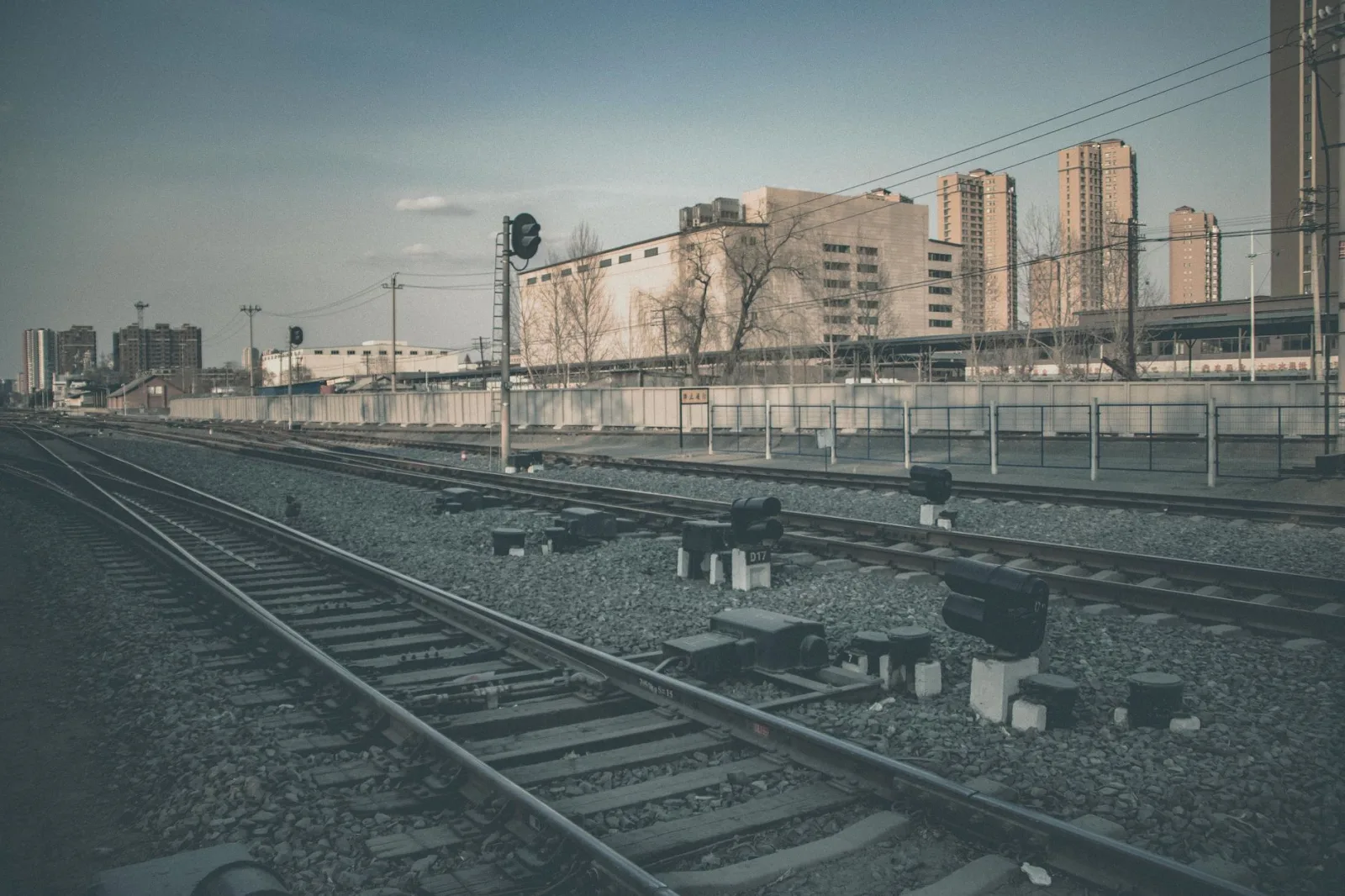
Extreme heat, which is becoming the "new normal" for the European continent, is putting critical transport and energy infrastructure at serious risk. High temperatures lead to deformations of railway lines, softening of road surfaces, and overloading of power grids, Reuters reports.
The European Union is already reporting large-scale problems in the railway sector. According to an EU report, over 70% of railway operators experience disruptions due to extreme weather. Between 2015 and 2024, losses from interruptions caused by climate events were equivalent to between one and three years of full railway operation in Europe.
To tackle the crisis, both high-tech and extremely simple methods are being applied:
- High technologies: Use of drones and artificial intelligence systems to monitor the track and develop more resilient sleepers.
- Simple solutions: In Stockholm, the transport administration paints sections of metro rails white to reflect solar energy and prevent deformations.
- Emergency measures: At Oslo airport, massive water spraying on runways is used to prevent the asphalt from softening.
Investments in resilience are enormous. The British company Network Rail plans to invest £2.6 billion by 2029 to strengthen its network against meteorological extremes. The problem is also structural – many roads in Northern Europe were designed for freeze-thaw cycles, rather than the prolonged heat characteristic of southern regions.
The economic consequences are also severe. According to forecasts from European central banks, extreme climate events could reduce the eurozone's GDP by up to 4.7% by 2030. These changes are not only economic but also human – the last extreme heatwave in Europe claimed the lives of approximately 14,000 people, making it one of the deadliest climate disasters on the continent.


Comments (0)