A New Stage in Relations with Botas: What the Freezing of Payments Means for Bulgaria
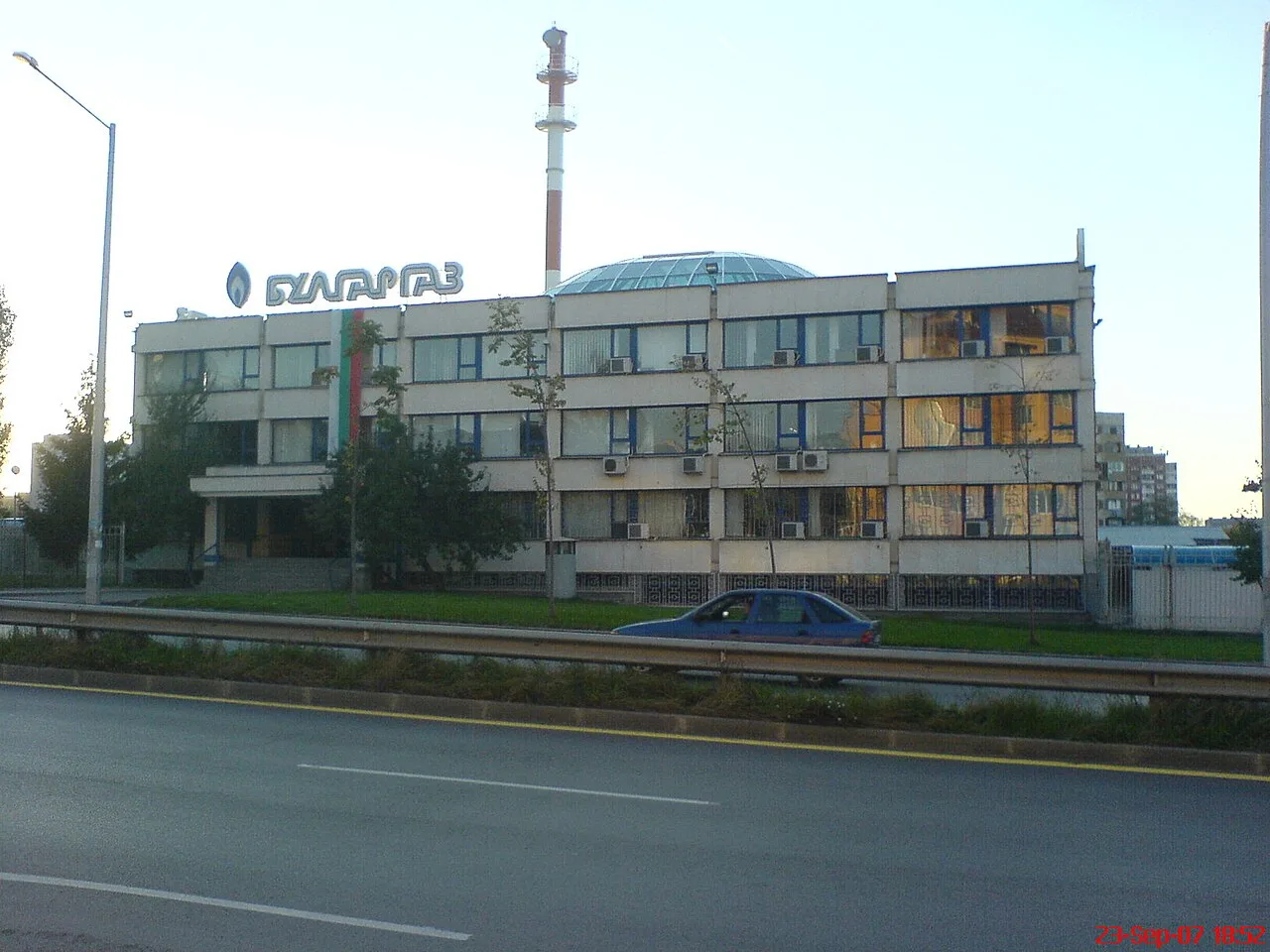
The agreement reached between Bulgaria and the Turkish company Botas for the temporary freezing of payments for reserved capacity changes the dynamics of energy costs for the next 15 months. According to the agreement, Bulgaria will pay for services only upon their actual use, which is a significant change from the previous model of fixed payments.
What does the decision change for the ordinary citizen?
For the end consumer, this news is important as it directly affects the financial condition of Bulgartransgaz – the main gas supplier in the country. Large costs for unused capacity to date have contributed to significant losses for the company (approximately 250 million euros according to preliminary reports). Reducing these costs in the short term may help stabilize the energy sector's budget and potentially prevent further increases in gas prices dictated by administrative costs.
Expert Analysis: Strategy vs. Economic Structure
Experts, including former Minister of Energy Alexander Nikolov, define the decision as a legal and economic success that corrects the "horribly wrong" structure of the original contract. Although the strategic goal of an energy partnership with Turkey is correct, the price and the method of determining capacity have proven to be a heavy burden on the Bulgarian state treasury.
Valentin Kanev, chairman of the Balkan and Black Sea Oil Association, emphasizes that the focus should be on security of supply through diversification – using Azerbaijani gas and access to Turkish liquefied natural gas (LNG) terminals. He notes that the terms under which the original contract was signed were dictated by the energy crisis, but today's market reality is fundamentally different.
Remaining Risks and Long-term Questions
Despite the temporary relief measure, serious questions arise regarding the future:
- Accumulated Obligations: Freezing the payments does not mean they are erased. Experts warn that these amounts will appear on the accounts at a later date.
- Renegotiation: After the expiration of the 15-month period, Bulgaria will have to navigate new negotiations, as it is likely that Turkey will request certain concessions or changes in terms in exchange for the current relief.
- Bulgaria's Role: The question of whether the country can become a gas hub depends not only on contracts but also on the availability of professional capacity to manage the infrastructure.
In conclusion, the decision is an important "cushion" for Bulgarian energy, but the long-term sustainability of the market will depend on whether subsequent negotiations turn the Botas contract from a financial burden into a tool for regional cooperation.
Comments (0)