Fuel Shortage in Russia: Gasoline Production Covers Barely Two-Thirds of Demand
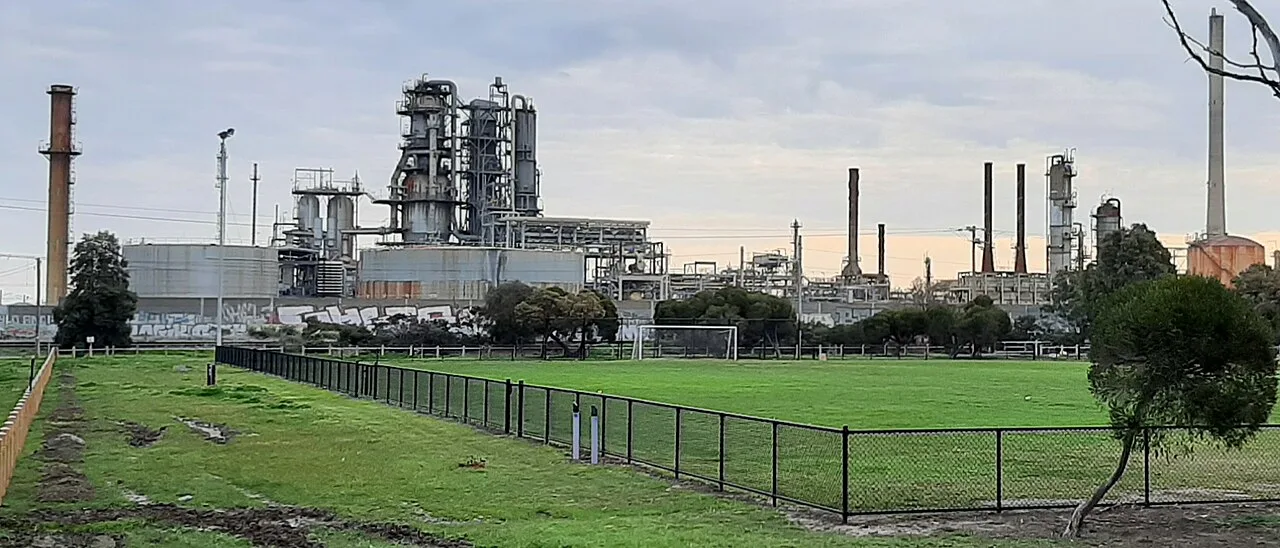
The Russian energy system is facing serious challenges in the oil refining sector. According to Reuters data, current automotive gasoline production in the country has fallen to about 65% of average summer season levels, creating a significant deficit.

The main reason for the crisis is the temporary shutdown of several large refineries, including NORSK and the Omsk Oil Refinery, following drone attacks in July. These enterprises are critical to the country's energy security, producing a total of about 30,000 tons of fuel per day.
What does this mean for the market?
Currently, there is a discrepancy between production (about 75,000–80,000 tons per day) and domestic demand (about 115,000–120,000 tons). This leads to a shortage of about 40,000–45,000 tons per day. To manage the situation, authorities have introduced a ban on diesel fuel exports and have allowed the production of gasoline with lower quality standards.
To compensate for the shortage, Russia is relying on imported gasoline from Belarus and India, as well as the use of pre-accumulated reserves. Nevertheless, chaos at gas stations and queues are already affecting consumer behavior, with many drivers limiting their travels to avoid fuel shortages.
Experts expect the situation to stabilize during the second half of July, provided that the operation of the damaged refineries is restored and import flows are increased.
Gallery
Comments (0)