"Ozempic for Cats": Pharmaceutical Giant GLP-1 Heads Toward Veterinary Medicine
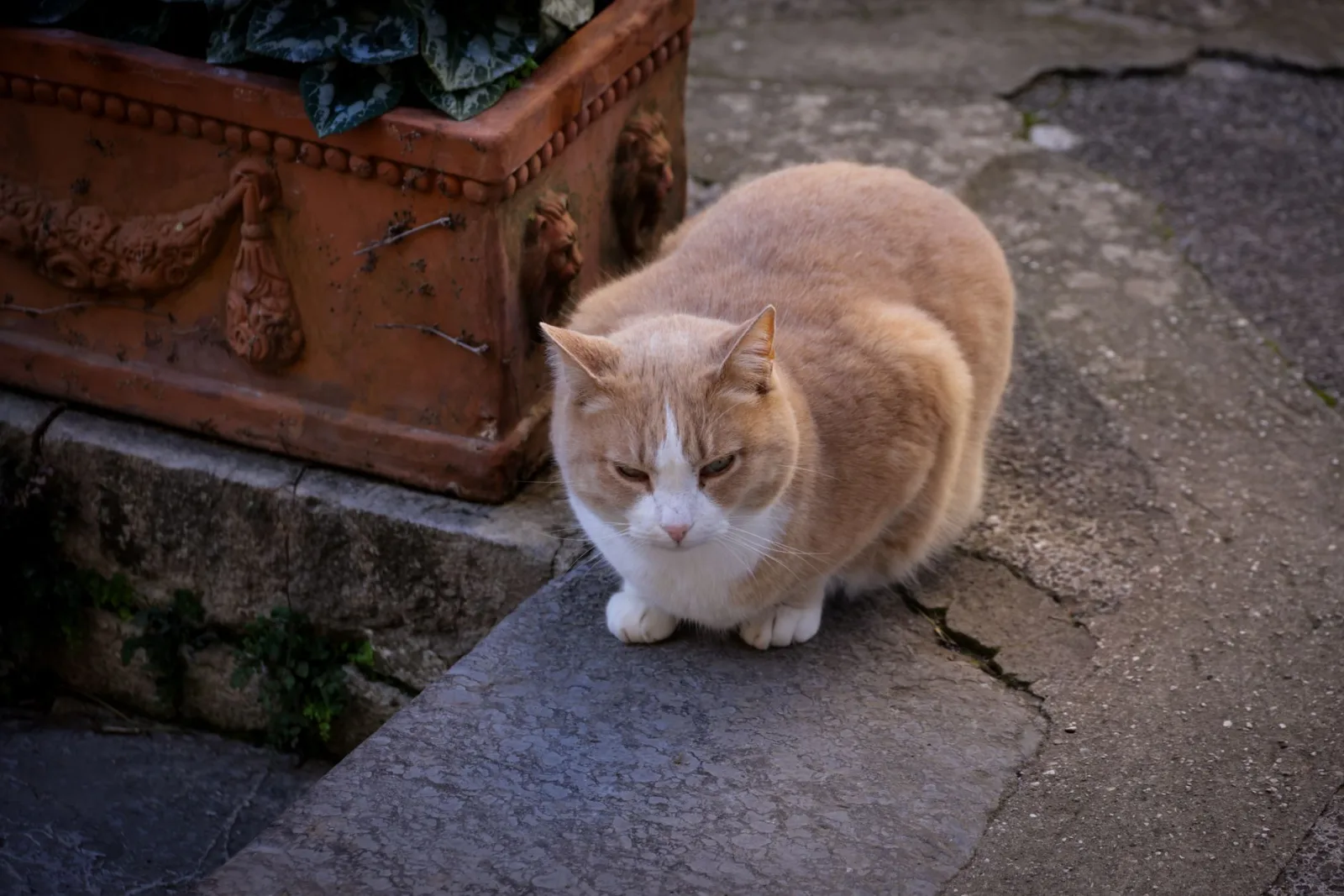
The success of drugs like Ozempic and Zepbound in the fight against obesity and diabetes in humans is opening new horizons in the pharmaceutical industry. Experimental GLP-1 therapies aimed at treating overweight in cats are already being developed, which could transform the veterinary care market.
Currently, there is no approved drug that can be officially called "Ozempic for cats," but two American biotechnology companies are already in the early stages of clinical trials. The problem of overweight among pets is massive – data from the Association for Pet Obesity Prevention shows that in 2022, over 60% of cats and dogs in the USA were obese.
Cats are particularly vulnerable, as they are harder to control through diet or physical activity compared to dogs. This makes long-term appetite-regulating therapies a potentially revolutionary solution.
Current developments and research:
- Akston Biosciences: Is funding a study at Cornell University, testing a once-weekly therapy on a group of about 70 cats.
- OKAVA Pharmaceuticals: Is developing an implant that is placed by a veterinarian and releases the drug gradually over up to six months (the project is called MEOW-1).
Despite the optimism, analysts from Morgan Stanley warn that the veterinary market will not repeat the same scale of distribution and pricing as that for humans. The medications are expected to be a tool that complements specialized diets and veterinary programs, rather than replacing them.
Parallel to pharmaceutical developments, large companies like Nestlé are already investing in "personalized health" strategies focused on longevity and specific nutrition, which could extend pets' lives by more than a year. The ultimate success of anti-obesity drugs for cats will likely depend on their accessibility and price for end consumers.


Comments (0)