Escalation in the Middle East: Oil Prices Jump to Monthly High Due to Strikes in Iran and Blockade of the Strait of Hormuz
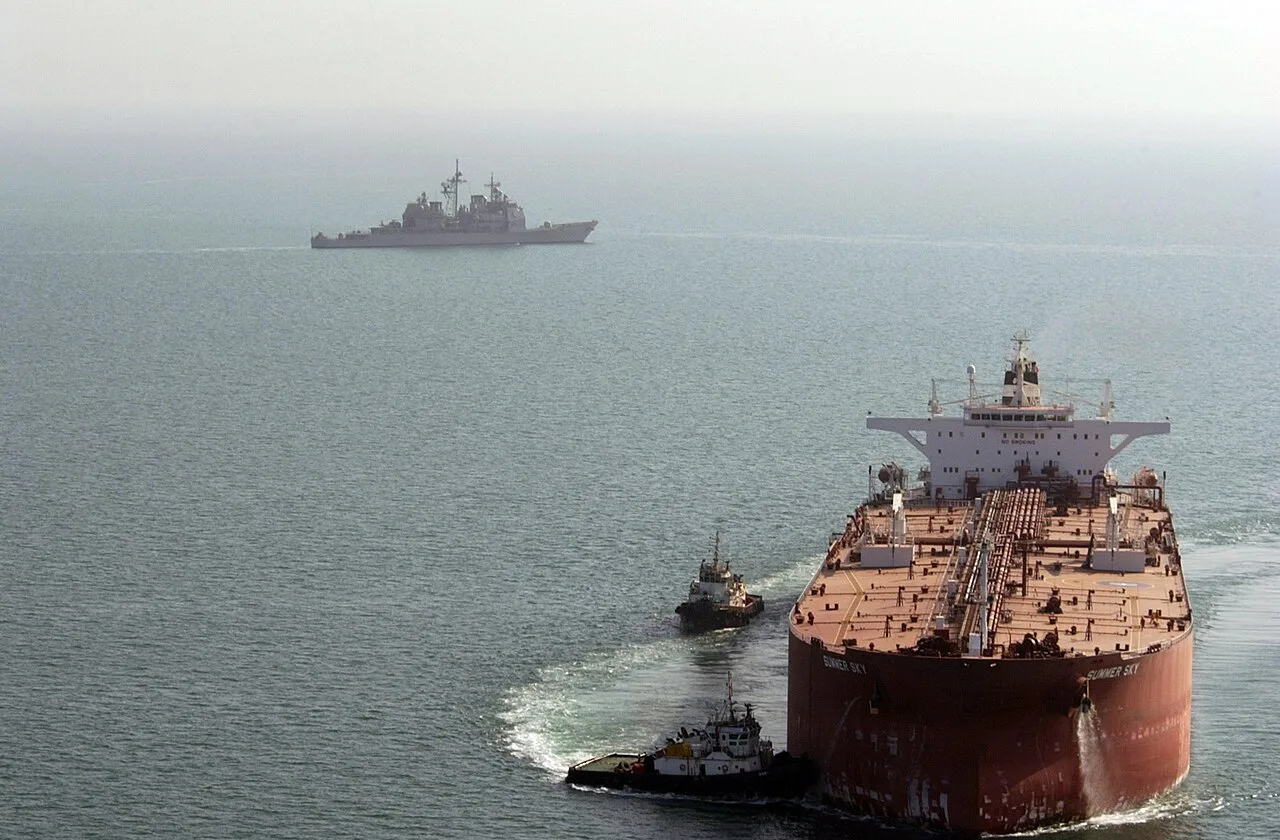
Oil prices recorded a significant jump in early Asian trading sessions on Tuesday, reaching their highest levels in the last four weeks. The main driver of market volatility is the escalation of military conflict in the region, involving direct strikes against Iranian targets and an intensified maritime blockade.
According to international market data, Brent crude futures rose by 1.8%, reaching $84.80 per barrel, while US light sweet crude rose by 2.2% to $79.84. This increase follows a series of intensive military actions, in which the US military has been striking targets in Iran for the third consecutive day.
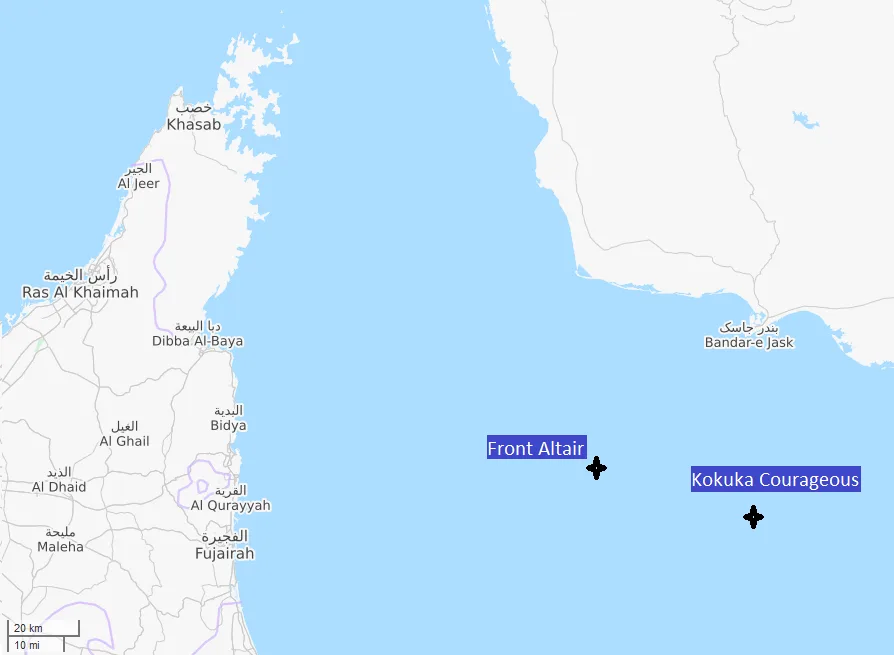
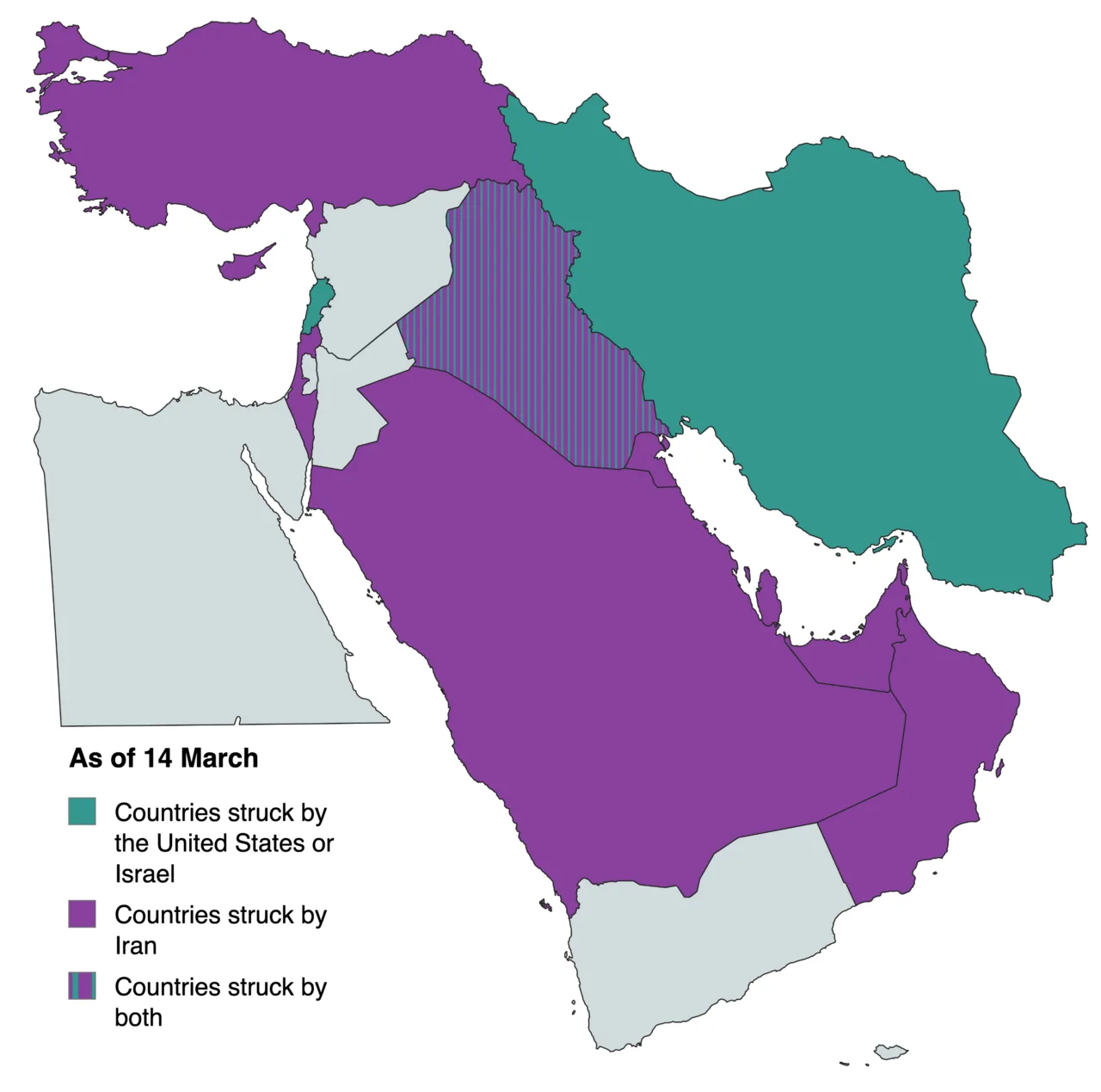
The situation has further worsened with the announcement of the restoration of the blockade of Iranian ports by Washington and the proposal to introduce a 20 percent security fee for the Strait of Hormuz. In response, the Iranian Revolutionary Guard stated that it had carried out attacks against tankers in the strategic strait. The United Arab Emirates Ministry of Defense confirmed that three tankers were hit by Iranian missiles, resulting in one crew member killed and eight people injured.
Market analysts warn that the key factor for future price movement will be the physical passage of crude oil through the Strait of Hormuz. Currently, traffic through the strait has fallen to its lowest level in the last two months. Any prolonged disruption to these flows could lead to an even more drastic rise in prices.
Additional uncertainty in the region is brought by the actions of the Yemeni Houthi rebels, who launched missiles against Saudi Arabia. Financial sector experts note that if the attacks expand to petroleum products in the Red Sea, the risk of disruption to global energy flows will increase significantly.
Comments (0)