Political Transformation in Israel: Possible Formation of a Coalition Against Netanyahu
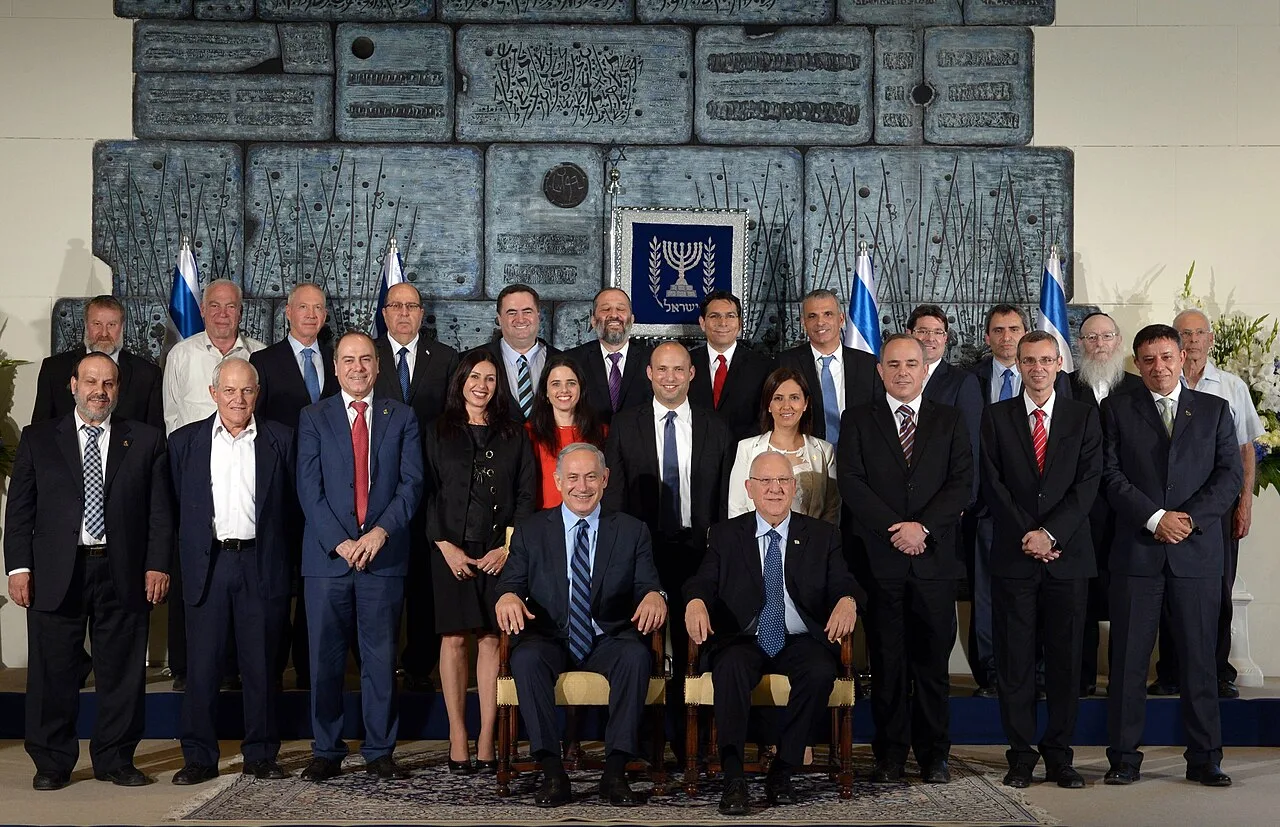
The political landscape in Israel may undergo significant changes if opposition parties succeed in consolidating their forces against Benjamin Netanyahu's cabinet. According to the analysis of Dimitar Katsarkov, a lecturer at Sofia University, there is a real path toward forming a new coalition.
Although Netanyahu's Likud party maintains its leadership position according to recent sociological polls, the opposition bloc is demonstrating a strong growth trend. The main divergence between the current government and its opponents is rooted in the approach to regional conflicts, specifically the attitude toward countering Iran.
"The main line of division is the question of whether to continue the war with Iran," Katsarkov points out. While the government bets on more direct confrontation, leading figures in the opposition, such as Gadi Eisenkot, express skepticism regarding the effectiveness of the current strategy and its ability to lead to a lasting end to the confrontation.
In addition to national security issues, Netanyahu's critics also highlight increasing economic tension. Despite long-term economic growth, the high cost of living and the need to redirect resources from military goals to civilian needs are becoming increasingly serious factors in public debate. According to experts, Israel's economy cannot function on "war tracks" indefinitely.
In the context of international diplomacy, a divergence in priorities is also observed between Israel and the USA. While Washington focuses on a broader campaign against Iranian influence, Israel places its immediate threats—Hezbollah and Hamas—as paramount to its security. At the same time, the future of Gaza remains uncertain, as the success of international peace initiatives still depends on many unresolved factors on the ground.
Comments (0)