Hydroelectric power plants in Bulgaria double production and replace coal mining during peak hours
Electrical System Operator (ESO) data reveals a significant change in Bulgaria's energy mix during the first half of 2025. Total electricity production increased by nearly 4% compared to the same period last year, reaching 22.2 terawatt-hours (TWh).
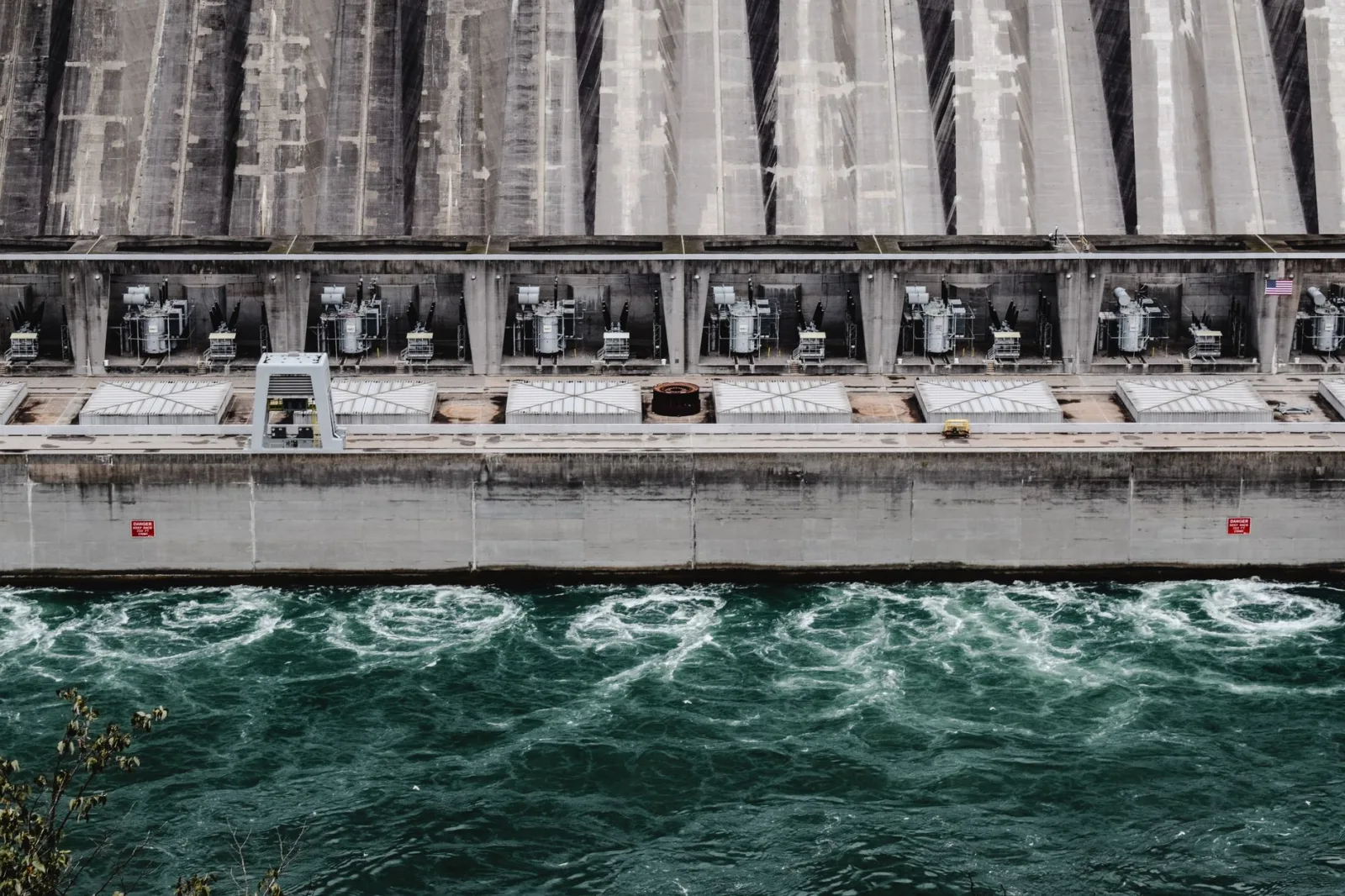
The key driver of this growth is hydroelectric power plants (HPPs), which generated 3 TWh. This represents a doubling compared to the first half of 2024. The main strategy behind this dynamics is balancing evening demand – HPPs replace the operation of coal-fired power plants during peak hours when consumption is highest.

At the same time, base load plants, mainly coal-fired, generated 14.1 TWh, which is 10.5% less than last year. Although consumption in the country is growing by nearly 7% and reaching 21.4 TWh, the trade balance of exports and imports is positive at 866 gigawatt-hours (GWh). This is a drastic reduction compared to a 1.3 TWh deficit during the same period in 2024, showing increased energy independence.
Efficiency is also strengthened by regional trade. Romanian media note that Bulgaria uses its battery capacities to the maximum, importing cheap green energy from neighbors during generation peaks and exporting it in the evening when European market prices are much higher. This allows the country to benefit from lower production costs and realize profits from exporting the surplus.
Gallery


Comments (0)