Electric transition threatens over 700,000 jobs in the European automotive sector
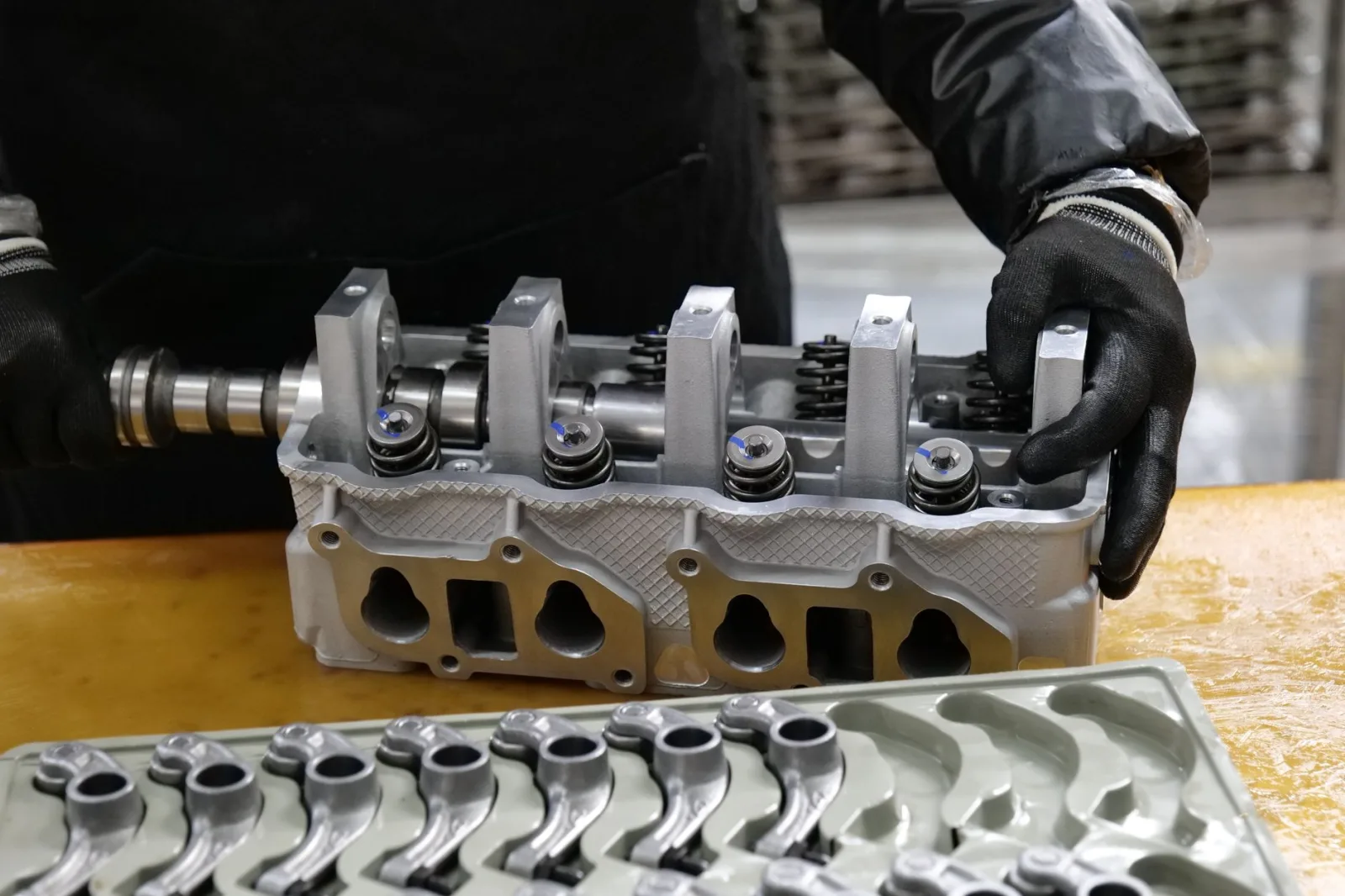
The European automotive industry is facing a massive structural transformation that carries serious risks for the continent's employment and economic power. According to a new study by the Fraunhofer Institute for Industrial Engineering (Fraunhofer IAO), the transition to electric vehicles could threaten up to 726,000 jobs in Europe by 2040.
The study, conducted with the participation of industrial giants such as BMW, Mercedes-Benz, Bosch, and ZF, examines various scenarios for the development of CO2 emission legislation. The most pessimistic scenario, based on current regulations to transition entirely to zero-emission cars by 2035, predicts a decline in added value in the powertrain sector of up to 38% by 2040.
Technological neutrality versus strict regulations
Experts emphasize that a more flexible approach, allowing hybrids and internal combustion engines to maintain market share, would mitigate the blow. In a scenario where greater technological neutrality is maintained, job losses could be limited to around 500,000, and financial losses to 45 billion euros, instead of the projected 71 billion.
Interestingly, the problem is not limited to electrification itself. The Fraunhofer IAO model shows that Europe's weight in the global automotive market is inevitably decreasing – from 24% in 2025 to 18% in 2040. Even under the most optimistic forecasts for electric technologies, the profits from them will not be sufficient to compensate for the losses from the withdrawal of traditional engines.
Geopolitical and economic consequences
Germany is emerging as one of the countries that will be most heavily affected by this transformation. While countries like Hungary may benefit from more competitive manufacturing conditions, key economies such as France, Italy, and Austria also expect negative results due to difficulties in supply chains.
The authors of the report conclude that a simple revision of emission rules will not be enough to save the sector. To maintain the competitiveness of the European industry, deep structural reforms are needed: reducing energy costs, easing bureaucracy, and faster approval of innovative projects.

Comments (0)