Unique Roman monument with lions discovered in Ljubljana: A find without analog in the Balkans
Discovery in the northern necropolis of Emona
Archaeological excavations in the central part of Ljubljana, in the area of the "Potniški center" transport complex, have led to the discovery of an exceptional Roman funerary monument. The find was discovered in the northern necropolis of the ancient city of Emona – a Roman colony founded in the 1st century AD, upon whose remains the present-day Slovenian capital was built.
The studies are part of the mandatory rescue excavations preceding the construction of new transport infrastructure. The scale and degree of preservation of the discoveries exceed the team's expectations, as the area has been subject to intensive urban development over recent decades.
Unique monument with artistic decoration
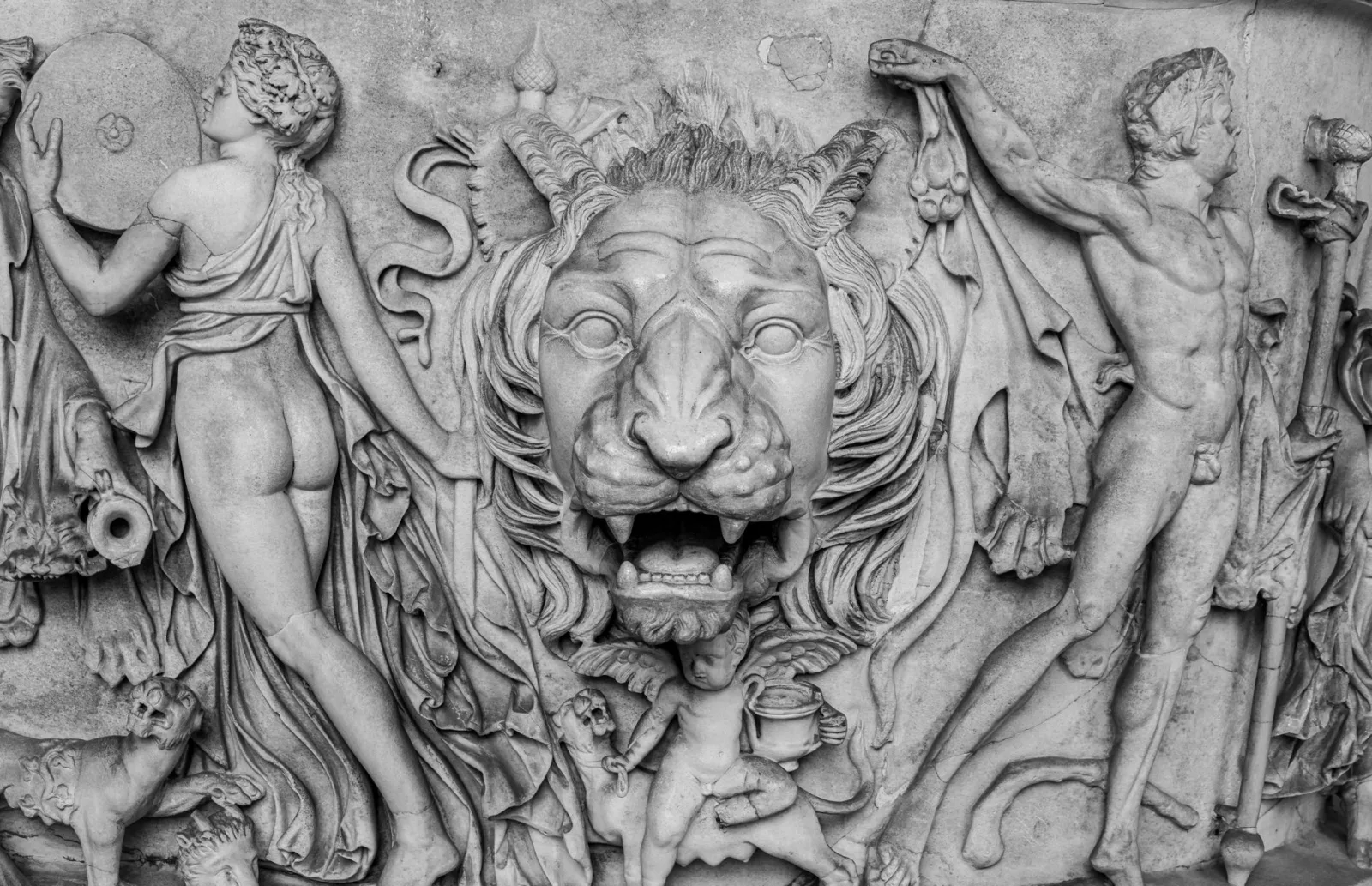
The most significant find is a stone funerary monument discovered in a roadside ditch on the road connecting Emona with Celeia (present-day Celje). The upper part of the object is decorated with figures of lions. Although the monument is split into multiple fragments, it is in an exceptionally good condition.
According to specialists in Roman epigraphy and ancient sculpture, no similar specimen is known to date within the territory of Slovenia. One of the main hypotheses for its good condition is that the monument likely collapsed in antiquity due to an earthquake or ground subsidence, which allowed for its rapid burial by soil layers and protection from atmospheric influences.
Upcoming restoration activities
The team has already carried out initial conservation and reinforcement activities on site. A complex technical operation to extract and transport the monument to a specialized restoration studio is forthcoming.
Following laboratory processing and restoration, scientists will study the type of stone, the manufacturing technique, and will attempt to establish the identity of the deceased through epigraphic analysis, if the inscription proves to be preserved. Research continues under the pressure of the construction schedule and summer weather conditions.

Comments (0)