Remains of an Ancient Roman Temple Discovered in Italian Tuscany
New Discoveries in San Casciano dei Bagni
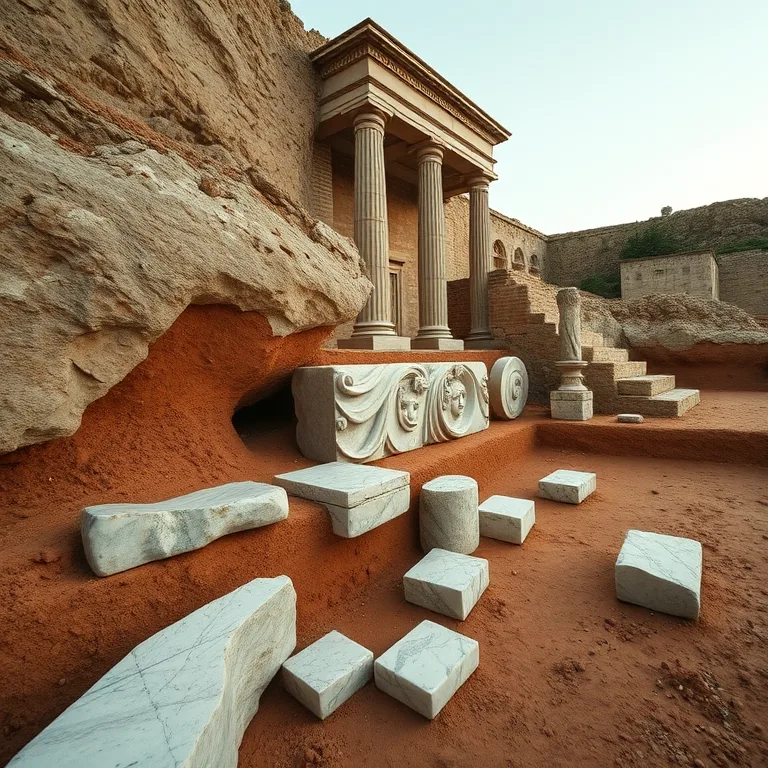
Archaeologists have discovered the remains of an ancient Roman temple during the current excavation season at the San Casciano dei Bagni archaeological site in the Tuscany region, Italy. Among the most significant finds are elements from the temple's roof structure, including richly decorated decorative finials featuring images of Gorgon heads, which date back to the 1st century BCE.
Chronology of the Finds
Studies have revealed materials from a wide time range – from the period between the 6th and 12th centuries, several medieval graves, as well as the remains of a large building dating from the late 14th century. According to archaeologists, the presence of this building proves that the area maintained its role as an important thermal center even during the Late Middle Ages.
This archaeological campaign continues until October 7, involving an international group of students. The first results of the six-week study have already been presented to the local community.
Historical Context of the Site
San Casciano dei Bagni, still known today for its mineral springs, is a site of great international interest. In 2022, 24 excellently preserved bronze statues were discovered there, dating between the 2nd century BCE and the 1st century CE, with five of them reaching nearly one meter in height. Previous studies have led to the discovery of thousands of coins and votive offerings in the remains of Etruscan and Roman thermal baths over 2,300 years old.
The historical thermal complexes in the area were even visited by members of the Medici family during the 16th century.
Comments (0)