End of Mass Clothing Disposal: EU Implements Ban on Destroying Unsold Goods
As of July 19, a new regulation has come into force in the European Union, changing the rules of the game for fashion giants. The new ban on the destruction of unsold clothing and footwear is a direct response to the massive environmental damage caused by the textile industry.
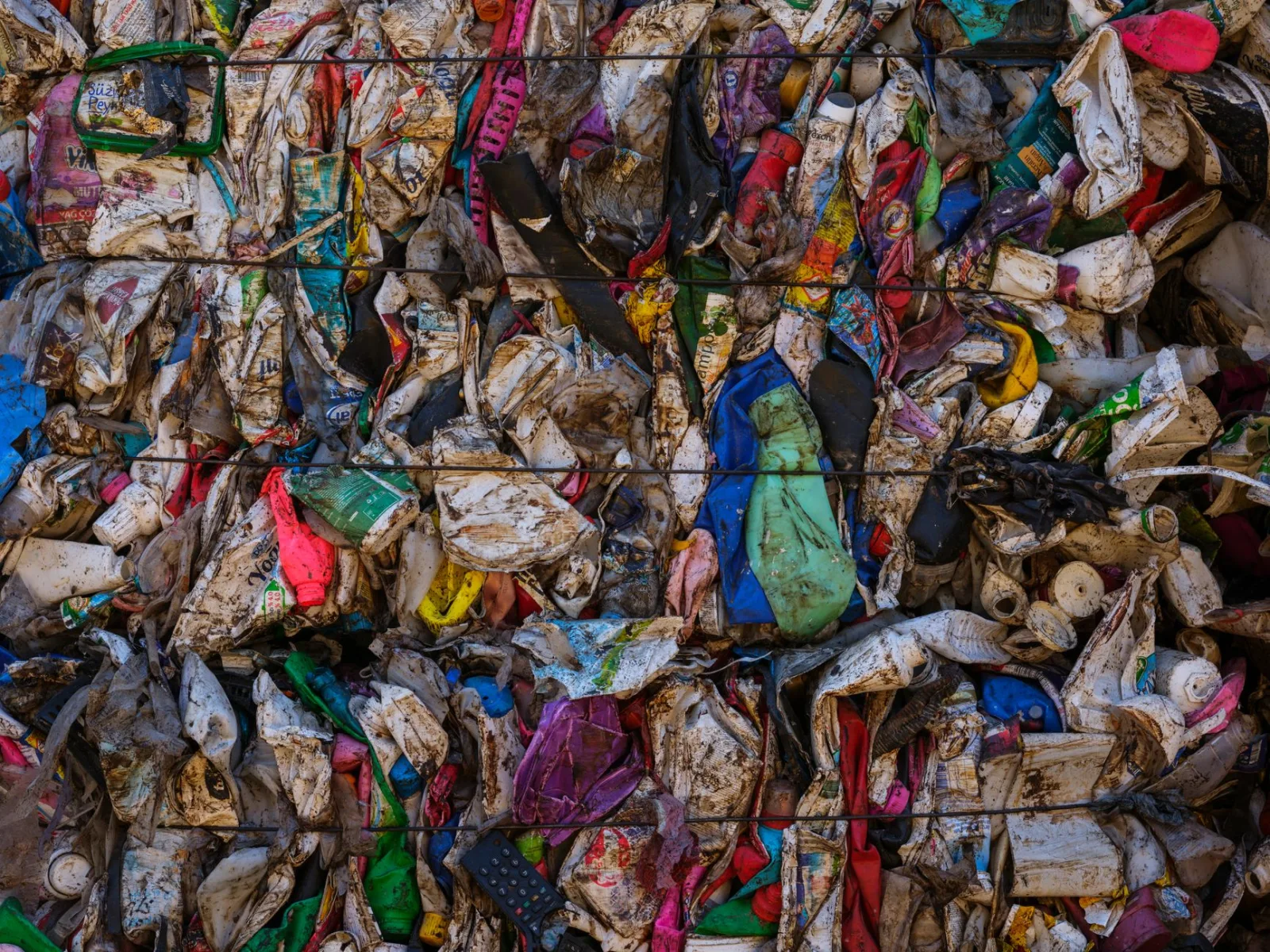
According to European Commission data, every year between 4% and 9% of unsold textile products in Europe are destroyed without ever having been used. This leads to the generation of between 264,000 and 594,000 tons of textile waste annually and the emission of approximately 5.6 million tons of carbon emissions. The fashion industry ranks as the second most polluting sector in the world, making these measures critically important.
The goal of the new rules is to stimulate a "circular economy" – a model where the focus shifts from mass production and disposal to reuse and recycling. Experts emphasize that responsibility must be shifted onto the large corporations that create this massive market.
"Large companies will have to produce more rationally and intelligently by predicting consumption more accurately," shares Alexandra Cantarelli from the Bulgarian brand "Moda s Misia" (Fashion with a Mission). She notes that the industry has often been driven by capitalist ideals, neglecting its social and environmental obligations.
Dr. Nadezhda Angelova from Sofia University "St. Kliment Ohridski" adds that while the measures are necessary to control production, they should not become an "indulgence" for consumers. She warns that the uncontrolled consumption of cheap, low-quality "fast fashion" remains a serious problem for the environment.
Although the ban is already in effect, full implementation of industrial standards for all participants in the sector is planned to be achieved by 2030.


Comments (0)