Archaeologists discover remains of 14 slave trade ships in the northern Bahamas
Evidence of the maritime slave trade route
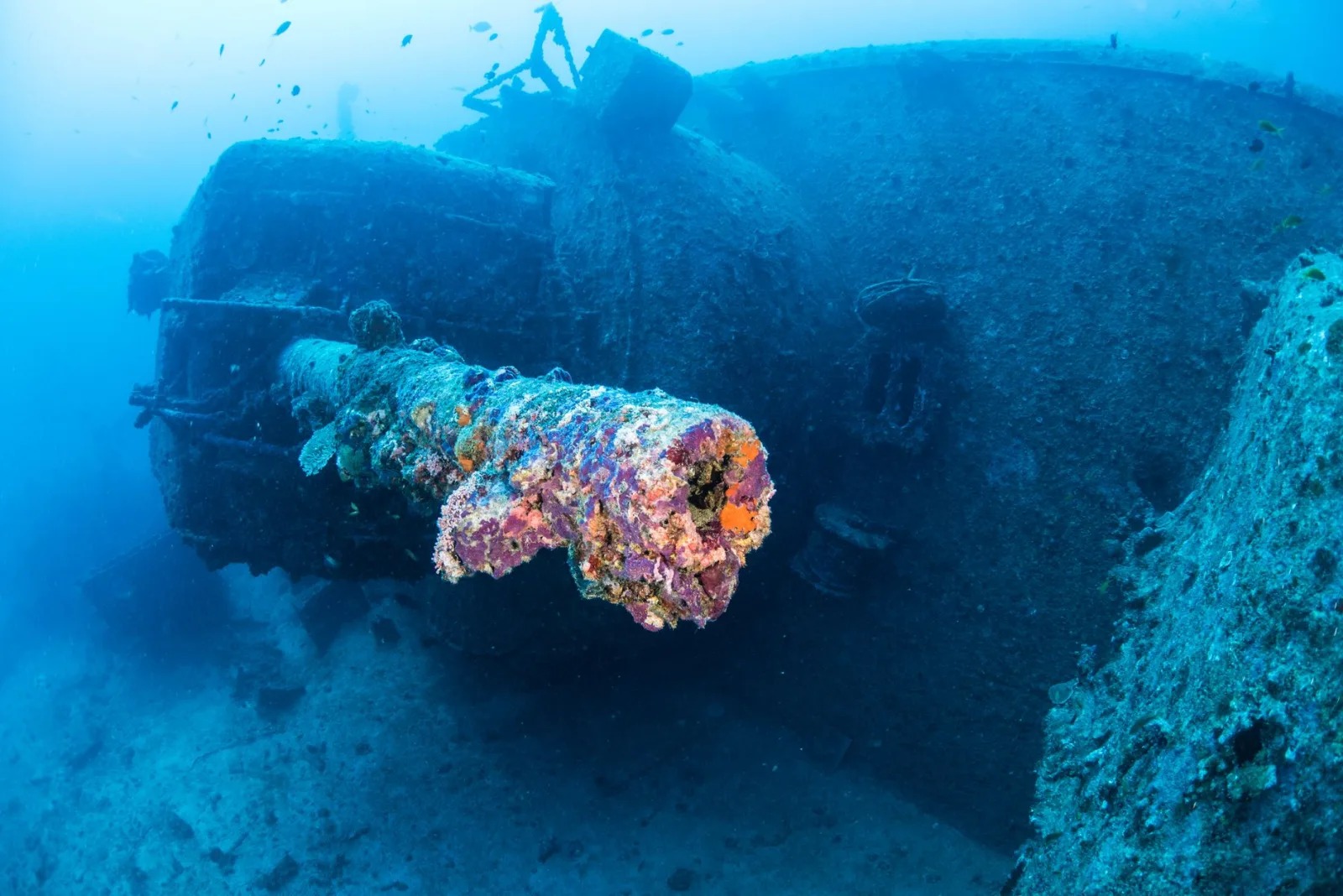
An archaeological study in the northern part of the Bahamas has revealed the remains of 14 ships that sank between 1704 and 1887. The findings document the maritime corridor used to transport enslaved Africans through the Providence Channel to New Providence, Cuba, and New Orleans in the Gulf of Mexico.
According to British maritime archaeologist Sean Kingsley, these discoveries represent an "unknown highway to the horrors of the slave trade." Many of the identified vessels sailed under the American flag, supplying sugar and coffee plantations in Cuba.
The scale of the traffic and historical context
The report "Greater Abaco Shipwrecks: Echoes of the Caribbean Plantation," published by the 'Lost Ships of the Bahamas' project, provides specific data on the scale of the vessels. For example, Kingsley points to the ship 'Atlanta,' which transported 15 people in 1806, and the American schooner 'Peter Mowell,' which carried up to 400 people in 1860.
The study, led by Carl Allen's organization Allen Exploration, also reveals the brutal practices during disasters. The report notes that enslaved people were often locked in the holds to make room for the crew's evacuation during a shipwreck.
Symbolic findings and historical memory
Among the discovered data is information about the ship on which Olaudah Equiano traveled in 1767—a man kidnapped from Nigeria at age 11, who later became a key figure in the abolitionist movement.
The Director of the Bahamas Maritime Museum, Michael Payteman, emphasized the weight of the discoveries, noting that nothing was heavier than the fate of the people on the sugar plantations in Cuba. Carl Allen adds that among all the shipwrecks discovered in the Greater Abaco region (596 in total to date), the human trafficking is the most impactful discovery.
Comments (0)