The Bulgarian Economy on a "Credit Diet": We Are Spending More Than We Produce
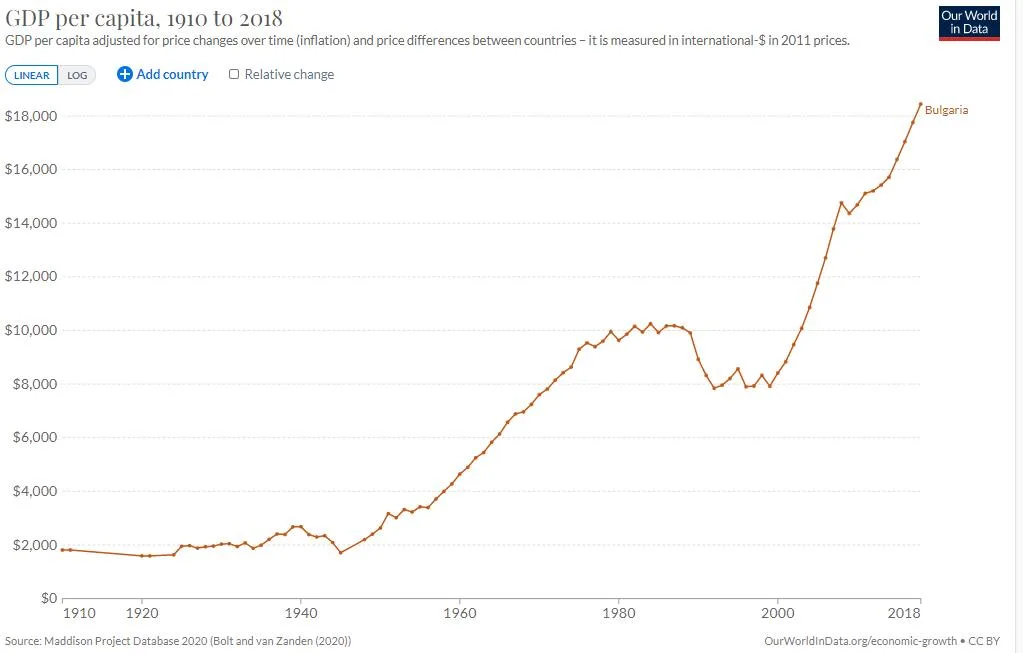
The Bulgarian economy is entering a period of increasing structural imbalances. According to the latest macroeconomic forecast from the Bulgarian National Bank (BNB), although GDP is expected to grow over the next three years, the development model is becoming increasingly vulnerable due to excessive dependence on domestic consumption and lending.
Consumption Outpaces Production
The main problem, experts emphasize, is that Bulgarians are spending more than the national economy is capable of producing. While private consumption is expected to grow by more than 4% this year, supported by wage increases and easily accessible loans, real gross domestic product (GDP) does not show the same dynamics. This leads to an increasing current account deficit, as a larger portion of household spending is directed toward importing goods from abroad.
Inflationary Pressure and the "Wage Trap"
The BNB is raising its inflation forecasts, expecting average annual price increases to reach 5% by 2026. One of the key internal factors is the gap between wage growth and labor productivity. While wages are expected to grow by about 9% annually, productivity is increasing by only about 2%. This discrepancy forces businesses to raise the prices of products and services to compensate for higher labor costs.
Credit Boom and Indebtedness Risks
Although total household indebtedness in Bulgaria remains lower than the EU average (around 25% of GDP compared to 50% for the regions), a worrying trend is observed in the quick loan segment. They are being used increasingly often to cover current expenses or old debts, which creates a risk of a "debt spiral" for certain population groups.
The Labor Market: Lack of People
The acute shortage of labor will continue to support high wages, but will simultaneously limit the potential for sustainable economic growth. The shrinking working population means that companies will have to compete for fewer and fewer employees, which will further intensify price pressure.
In conclusion, although economic indicators appear stable in the short term, Bulgaria's long-term success depends on transitioning to a model based on real investment, increasing productivity, and strengthening export capacity, rather than relying solely on consumer credit.


Comments (0)