Bad Scenario for the Markets: Inflation is More Persistent, and High Interest Rates Will Continue
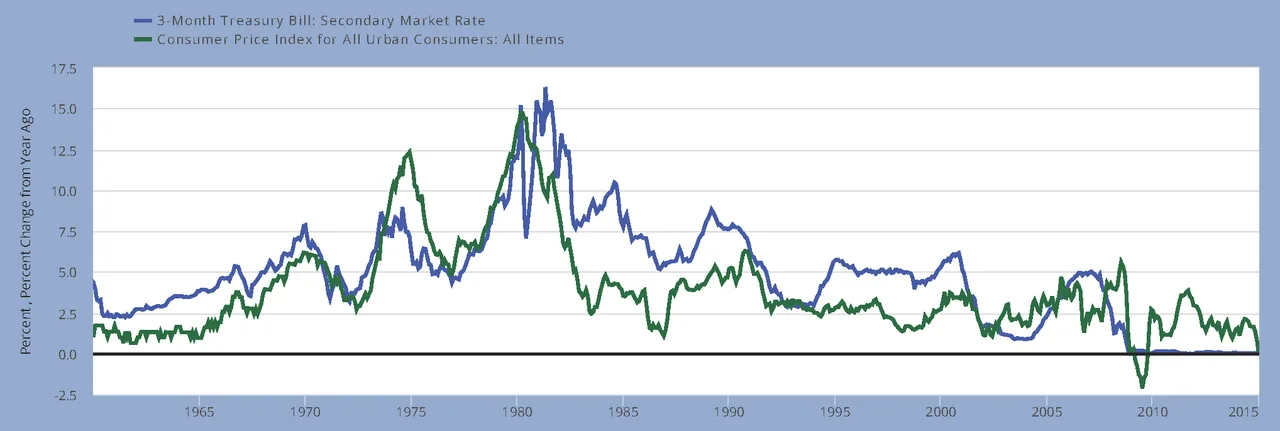
Market expectations for a sharp reduction in interest rates in 2026 have collided with harsh reality. Recent data shows that inflationary pressure is much more persistent than previously forecasted, which is changing the strategy of leading central banks such as the US Federal Reserve and the European Central Bank.
According to the analysis, the reasons for stubborn inflation are not rooted solely in commodity prices, but in deep structural problems. One of the main factors is the tightened labor market in developed economies. High wage growth leads to a situation where companies pass labor costs on to end consumers, creating a dangerous inflationary spiral.
The energy sector also exerts additional pressure, linked to the high costs of transitioning to green energy. These factors are forcing regulators to maintain high interest rates for a longer period to ensure price stability.
Consequences for Businesses and Consumers
The era of cheap money has officially ended. The corporate sector, especially companies that must refinance their debts in the current year, faces much tougher financial conditions. This leads to shrinking profits and a more conservative approach to investments and hiring.
For consumers and savers, the situation is two-sided. While bank deposits and government bonds are starting to yield real returns that compensate for inflation, capital is flowing away from riskier assets and the real estate market. This leads to a slowdown in activity in the construction sector and a redirection of investments toward safer financial instruments.


Comments (0)