Ecological catastrophe facing the Great Barrier Reef: El Niño threatens the existence of the largest living structure
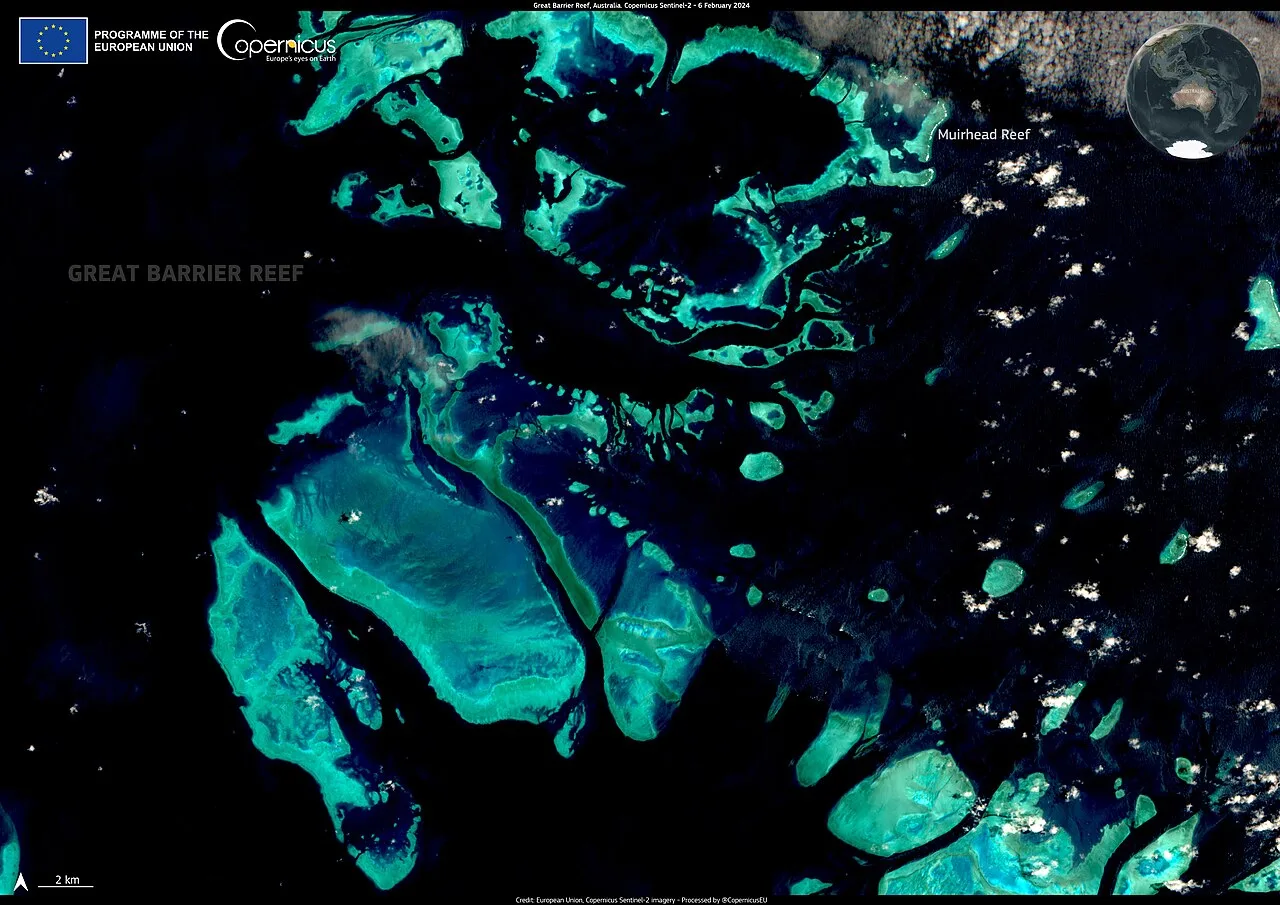
The Great Barrier Reef, the largest living structure on the planet, is facing a serious ecological threat. Scientists warn that the return of the El Niño climate phenomenon could trigger large-scale and irreversible coral bleaching, leading to the collapse of the entire ecosystem.
According to ecology researcher Morgan Pratchett from James Cook University, the current extreme El Niño episode is raising Pacific Ocean temperatures to levels that are critical for coral structures. The reef, which stretches over 2,300 kilometers, has already suffered heavy blows in recent years due to the warming and acidification of ocean waters caused by greenhouse gas emissions.
The bleaching process is fatal for corals. When seawater becomes excessively warm, corals lose the symbiotic algae that provide them with nutrients and give them color. Without them, the structure remains white, weak, and in extreme cases, completely loses its ability to survive, leading to the local disappearance of many marine species.
Professor Ove Hog-Guldberg from the University of Queensland adds that the situation is critical and calls on governments around the world for immediate action. He compares the current inaction to the sinking of the "Titanic," emphasizing that the ecological collapse of coral reefs could be a precursor to much broader global catastrophes.

Comments (0)