Wolves in Denmark: The State Implements Strict Monitoring and Informs Tourists on How to Stay Safe
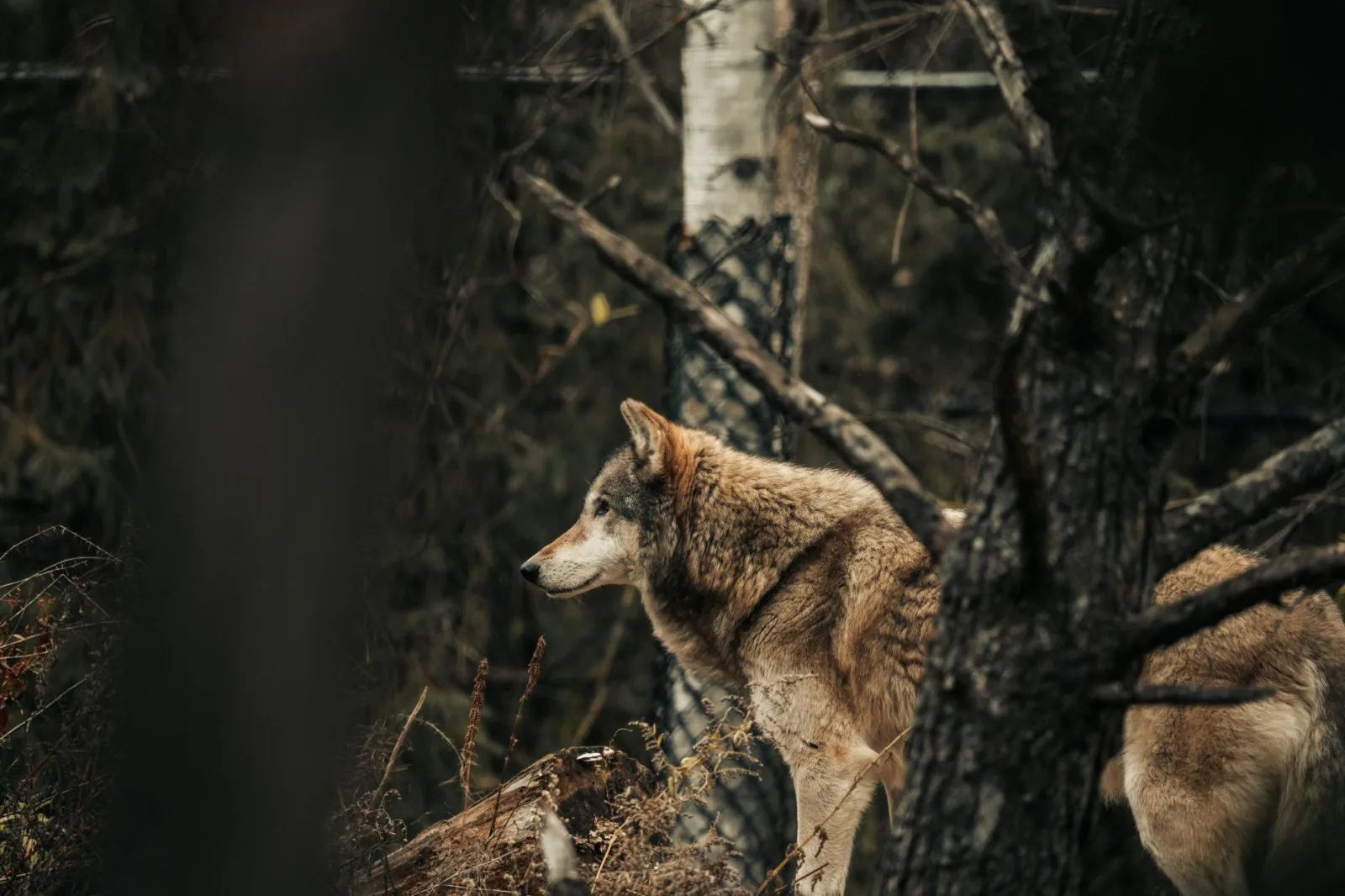
Although the wolf population in Denmark is relatively small – approximately 49 animals according to the latest data – the state is implementing an extremely strict monitoring and management regime. The predators are distributed across 8 packs on the Jutland peninsula, while the islands remain free of them.
Monitoring in the country is a high-tech process coordinated by universities and the Natural History Museum in Aarhus. Through a special platform called the "Wolf Atlas," data is collected from DNA analysis of biological traces, photographs, and eyewitness accounts. This detailed approach began as early as 2012, when wolves returned to Denmark for the first time in nearly two centuries.
Due to the presence of tourist zones, especially in the Oxbøl area, authorities are distributing information brochures in Danish, English, and German. Since wolves typically avoid humans, the instructions are aimed at prevention and peace of mind. The main tips include:
- If the animal approaches within less than 30 meters, you must remain calm and stay still.
- Do not follow the wolf, but if it does not retreat, use noise, shouting, or clapping to demonstrate dominance.
- In the event of direct contact, under no circumstances should you turn your back on the animal; maintain eye contact.
- In the extreme case of an attack, defend yourself with all available means.
Although the risk to humans is minimal, the presence of predators causes tension among farmers. In 2025, significant livestock losses were reported, leading to calls for stricter regulation beyond current European species protection regulations. In Denmark, wolves are protected by law, and culling is permitted only under extremely specific and proven conditions.
Unlike the Scandinavian model, the wolf population in Bulgaria is larger and more stable, allowing for different approaches to management and population control through permitted hunting.


Comments (0)