866 million cases of foodborne infections annually: Experts warn of critical mistakes in the home kitchen
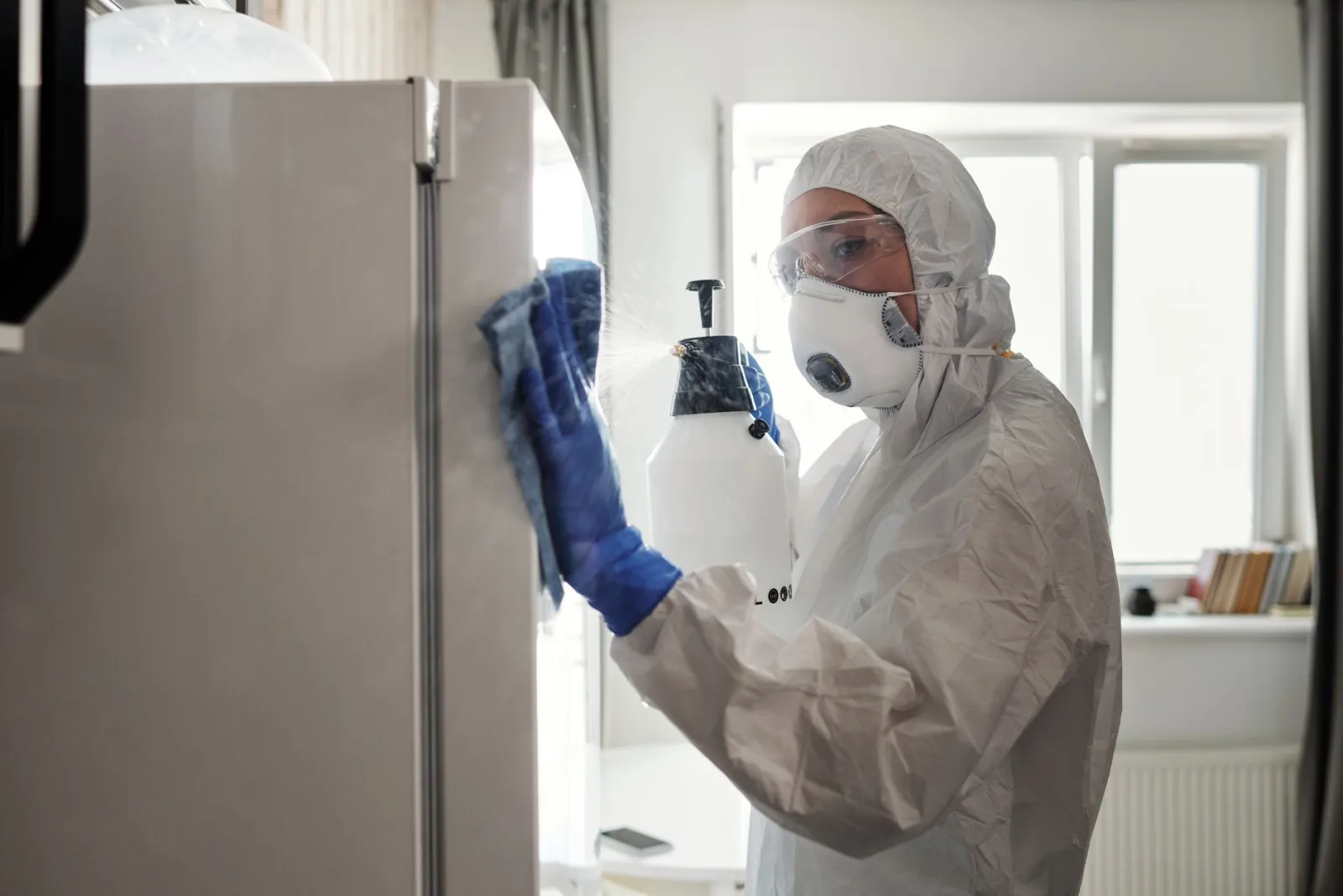
The World Health Organization (WHO) provides alarming data on global health: every year, approximately 866 million people fall ill due to the consumption of contaminated food. The most vulnerable group is children under the age of five, who bear almost one-third of the total burden of these diseases.
According to experts from the Food Chain Risk Assessment Center (FCRAC), food safety is not just a matter of industrial control, but critically depends on daily habits in households. Hygiene errors and improper storage are the primary factors for the spread of infections.
Cross-contamination: The Hidden Enemy
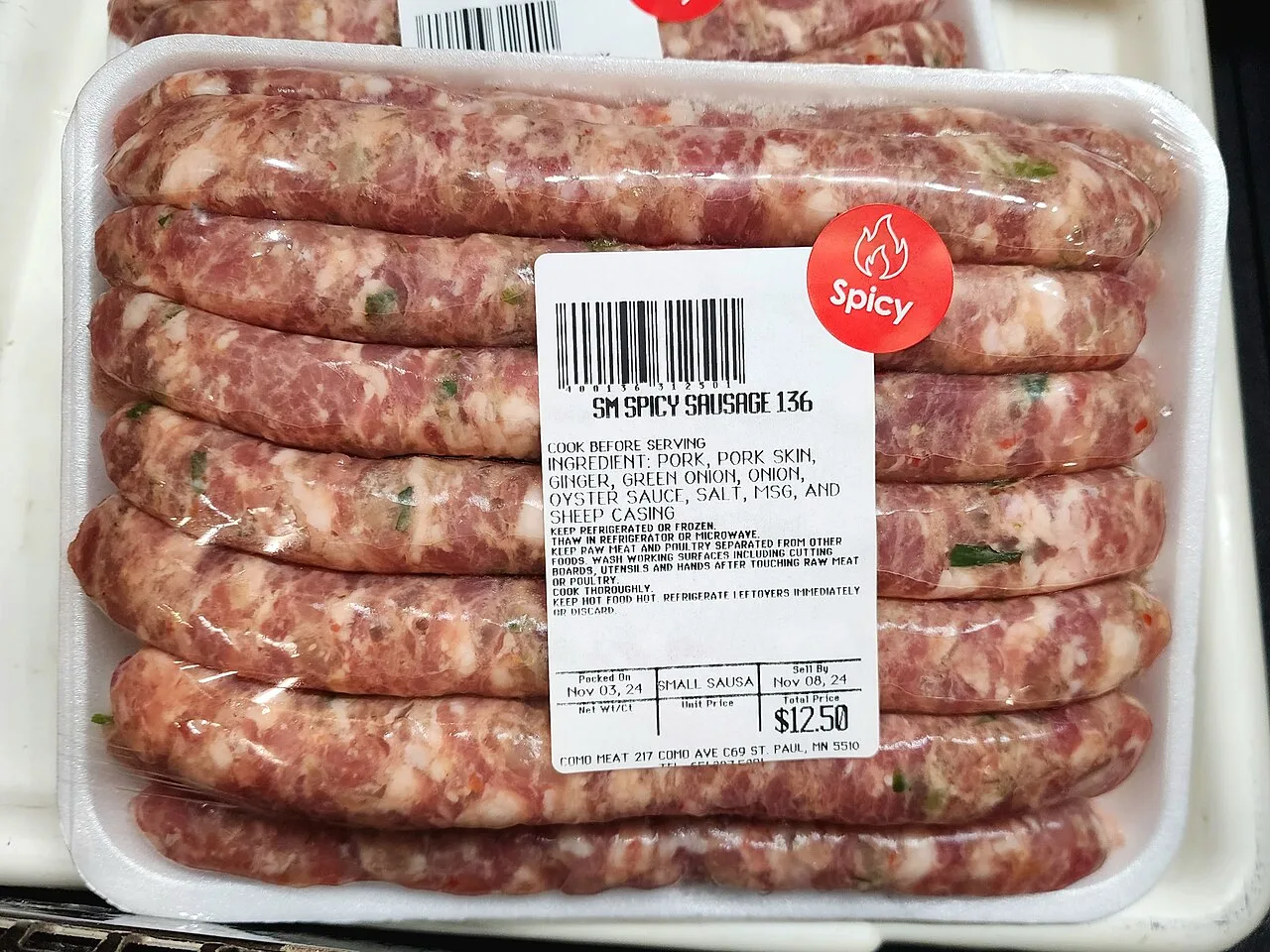
Chef Nikola Simeonov, an ambassador for the Safe2Eat initiative, emphasizes the risk of cross-contamination. This occurs when microorganisms from raw products (meat, fish, eggs) get onto ready-to-eat foods or utensils. To avoid this, it is mandatory to use separate cutting boards and knives for raw and ready-to-eat products, as well as strict separation of work surfaces.
Golden Rules for a Safe Kitchen
Specialists highlight several key guidelines that every consumer should follow:
- Refrigerator Management: The refrigerator slows down, but does not stop, bacterial growth. Do not overload it, as crowded products prevent even temperature distribution.
- Product Separation: Ready-made meals should be covered and stored away from raw meat and fish.
- Temperature Regime: Do not leave food at room temperature for long. Food leftovers should be cooled and placed in the refrigerator within two hours of preparation.
- Proper Thawing: Avoid thawing on the counter. The safest method is in the refrigerator or cooking directly from a frozen state, if indicated by the manufacturer.
Risks of Reheating
Reheating food requires attention. Experts warn that food must be heated evenly to at least 70°C throughout its entire volume. It is important to avoid multiple cooling and reheating of the same dish, especially with soups, stews, and rice dishes, as this drastically increases the risk of bacterial development.
Important: Dangerous microorganisms often have no smell or visible sign of spoilage. If food has been left at room temperature for too long, it must be discarded. Tasting is not a reliable method for checking safety.

Comments (0)