The "coolcation" effect: How heatwaves are changing the map of European tourism
A new trend in tourism
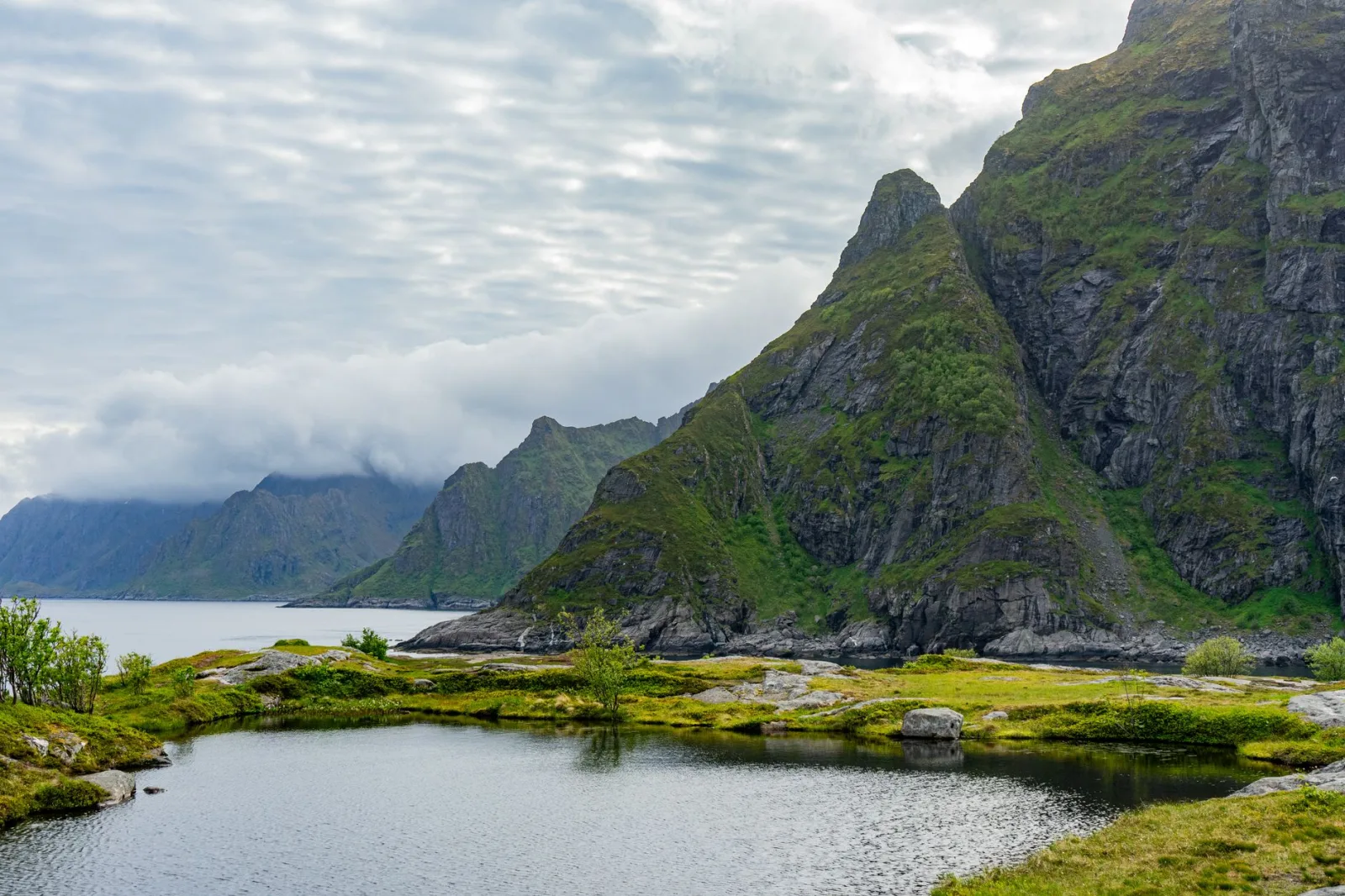
Extreme temperatures in Europe are changing not only the way locals live and work but also the structure of international tourism. A new phenomenon called "coolcation" (a combination of cool and vacation) is emerging, where tourists choose cooler destinations to avoid heatwaves in traditional leisure environments.
Instead of the classic seaside resorts in Italy, Spain, and Greece, travelers are increasingly turning their attention to Northern Europe – Sweden, Norway, Iceland, and Finland. Data shows a sharp spike in booking demand: according to a French booking platform, requests for Copenhagen have increased by 246% compared to the first heatwave in May, while those for Dublin have risen by 151%.
Alternatives in the mountains and northern regions
The trend is not limited to Scandinavian countries alone. Mountainous regions, where nighttime temperatures remain bearable, are also becoming alternatives to hot beaches. Examples include the Alps in France, Italy, and Switzerland. Jean-Pascal Chopin, director of Jura Tourism, notes that cities like Saint-Claude in the Jura Mountains are reporting significantly higher visitation in July compared to previous years.
This model offers development opportunities for small mountain resorts that traditionally rely on the winter season. Summer activities such as rock climbing, downhill skiing, mountain biking excursions, and buggy tours are becoming attractive to tourists seeking fresh air and tranquility.
Challenges and skepticism
Despite the rising numbers, experts are divided regarding the long-term impact of this trend. Swedish tourism expert Stefan Gosling notes that while temperatures are an important factor in planning, cultural characteristics, the environment, and prices remain key. According to him, tourists rarely change their favorite destinations if they are well-established.
Price is another significant factor that still maintains Southern Europe's advantage, as it is traditionally cheaper than the North. There is also the ease of using the Euro and the well-developed infrastructure in southern regions.
The trend is also being observed outside of Europe. Data from the American startup Fora Travel shows a rise in bookings in Oslo by 154% and in Helsinki by 124% compared to the previous year. Forecasts suggest that although travelers will not completely abandon southern environments, they will likely begin to shift their plans toward cooler months or regions during the summer.

Comments (0)