The Demographic Shock and AI: How Artificial Intelligence Can Save the Economy from Labor Shortages
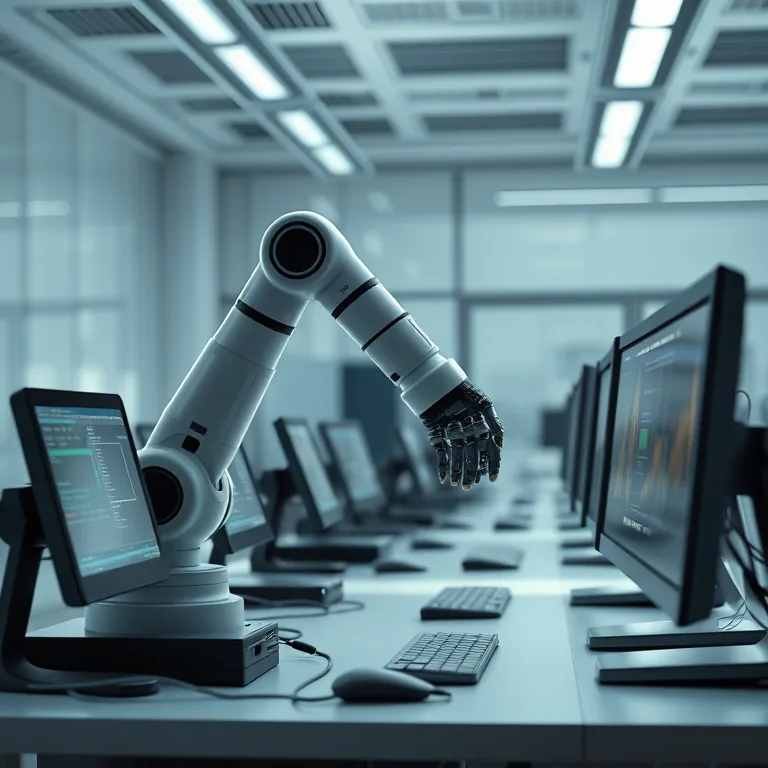
Instead of mass unemployment, the world may face the opposite problem – a critical labor shortage. According to a new analysis published by The Wall Street Journal, demographic changes in the US and developed economies are creating the conditions for a new labor crisis that artificial intelligence (AI) could solve.
Demographer Stephen Rugles from the University of Minnesota warns that the US is entering a period of long-term slowdown in workforce growth. Forecasts suggest that after 2030, the number of workers could shrink significantly as low birth rates and an aging population begin to take their toll. Existing mechanisms, such as increased female participation and immigration, are no longer sufficient to compensate for this decline.
AI as a Productivity Tool
In this context, artificial intelligence is not just a threat to jobs, but a potential lifeline. When labor becomes scarce, the economy is forced to find ways to increase efficiency. Rugles points out that this will be a massive stimulus for the adoption of technologies that save human labor.
Nobel laureate in economics Daron Acemoglu supports the thesis that labor-shortage markets often lead to innovation. Historically, regions with lower birth rates invest more in patents and technologies that automate labor-intensive processes. This allows the economy to grow even when the number of people decreases.
Risks and Uncertainty
Despite the optimism, economists remain divided. The question arises whether AI will bring enough productivity to compensate for the demographic shock, or whether the technology will lead to layoffs instead of supporting existing workers. There is also a risk that the implementation of AI may happen too late to prevent the economic stagnation caused by the lack of young talent.
If the forecasts are correct, the future of work will be marked by higher wages for workers due to the shortage, greater union power, and the mass implementation of autonomous systems that will take over the tasks of the disappearing workforce.


Comments (0)