IBM expects quantum technologies to transform company revenue by 2029
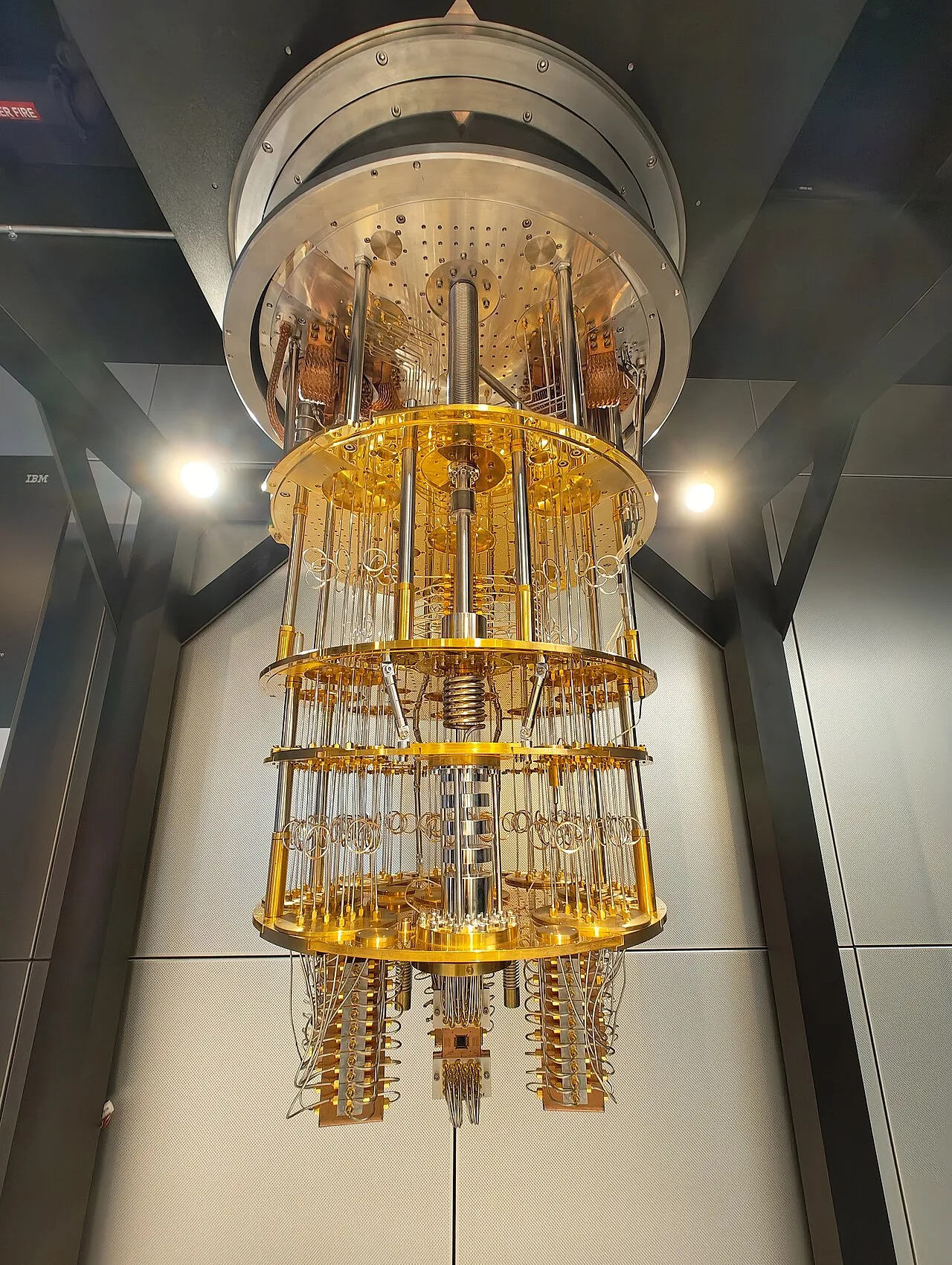
IBM CEO Arvind Krishna predicts that quantum technologies will begin to have a measurable impact on the company's revenue and profit in 2028 or 2029. According to him, by the end of the next decade, this sector could create market value of around $1.3 trillion.
The forecast comes during a period of financial challenge for the giant, as the company's shares have noted a decline of over 24% since the beginning of the year. Nevertheless, IBM expects revenue growth between 4% and 5% at a constant exchange rate in 2026 and anticipates an increase in free cash flow of about $1 billion compared to the previous year. In the second quarter, the company generated $2.5 billion in free cash flow and returned $1.6 billion to shareholders in the form of a dividend, amounting to $1.69 per share.
Technological Advancement and Collaboration
On April 30, IBM, in partnership with Algorithmiq and the University of Chicago, demonstrated quantum advantage. In a joint project with Qedma Quantum Computing, the Heron quantum processor was used to model complex physical processes in materials. The calculation achieved a scale of 74 quantum units, solving a task that is practically inaccessible to classical computers in just 15 minutes.
Algorithmiq plays a key role in materials modeling, which has potential applications in developing better batteries (such as cathodes and electrolytes), more efficient medicines, and new solutions in the field of nuclear energy.
Strategic Investments and Infrastructure
IBM plans to invest over $10 billion in quantum technologies over the next five years, with the aim of introducing a large-scale fault-tolerant quantum computer by 2029. Part of the strategy also includes the 'Anderon' project – a joint intention with the U.S. Department of Labor to build a specialized factory for the production of quantum wafers. The project could receive up to $1 billion in support from the U.S. semiconductor program, with IBM investing the same amount.
Challenges and Competition
Krishna emphasizes that the main obstacles to mass adoption remain system stability, scalability, and error control. Unlike competitors such as Alphabet and Rigetti Computing, which focus primarily on processors or software solutions, IBM is developing a comprehensive infrastructure – from manufacturing to software and corporate clients. This puts the company in a different position, but also carries the specific risk of it turning into a "traditional software company" if the development of quantum technologies slows down.


Comments (0)