AI Towers for Early Fire Detection: Construction of Monitoring System in Rila Begins
The construction of an early forest fire detection system based on artificial intelligence is beginning in Rila National Park. The project includes the installation of two high-tech towers for 24/7 video surveillance, which will cover strategic areas in the mountain.
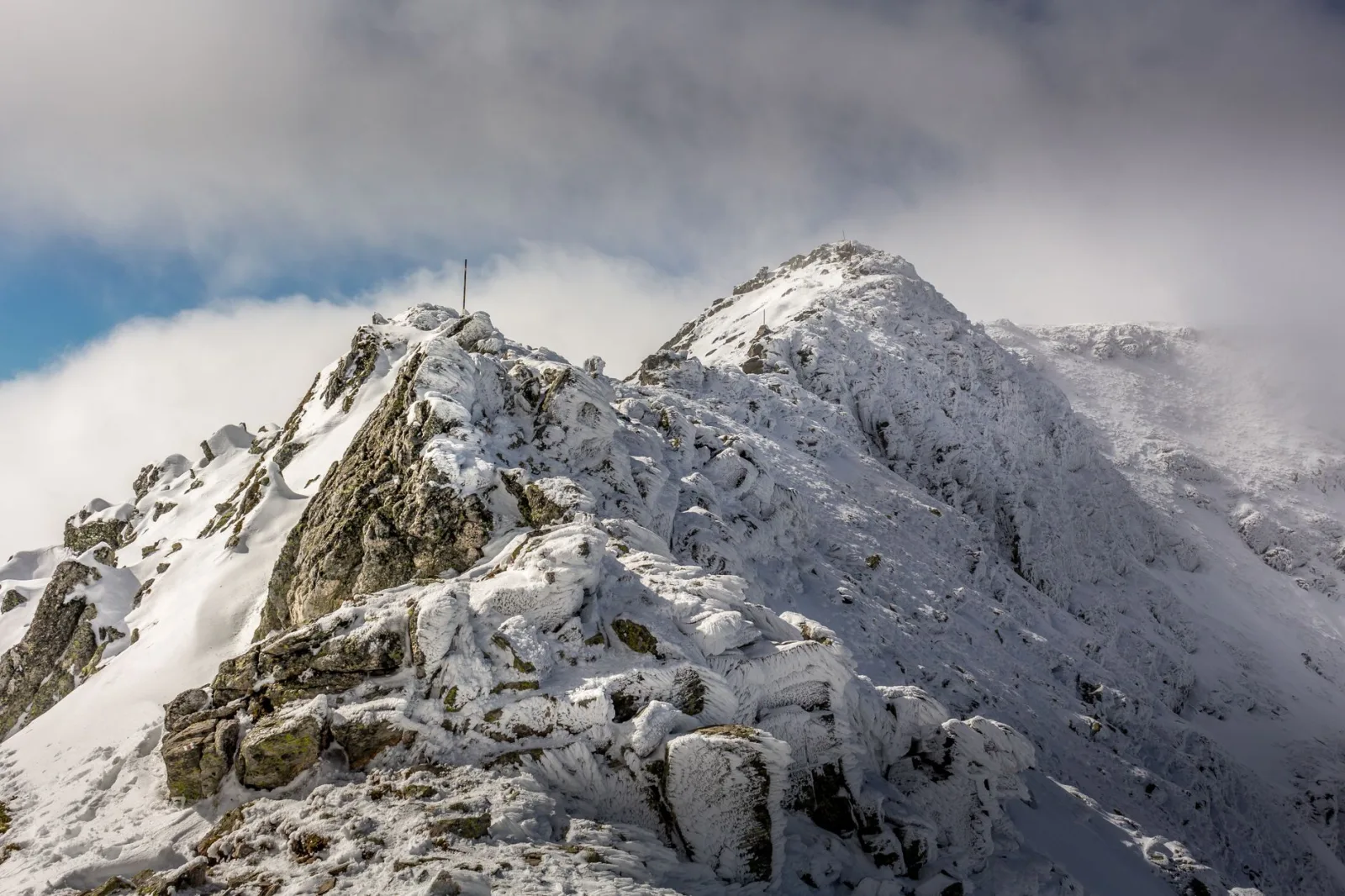
The initiative is a joint effort by the volunteer forest fire fighting unit "Fire Brigade One", the General Directorate "Fire Safety and Civil Protection", and Rila National Park. Two of the towers will be located on Ismailitsa Peak (2409 m above sea level) and Skachkovets Peak – an area that was affected by a large-scale fire last summer.
Technology and Automation
The system will feature four stationary cameras with 360-degree coverage. Upon detecting an unusual phenomenon, the artificial intelligence will activate mobile cameras that automatically aim at the object. Dimitar Dimitrov, founder of "Fire Brigade One", explains that the algorithm itself determines which controllable camera's range the smoke or fire is in, uses the zoom function, and sends detailed location information.
This will allow rescue teams to receive precise coordinates of the outbreak in just a few seconds. According to Commissioner Boyan Kondurov, Director of the RSPBZ N – Blagoevgrad, faster detection is critical for team organization and increases the chances of containing the fire at an early stage.
Challenges for Patrolling
The need for automation is also emphasized by Kostadin Papukchiyski, a security officer in Rila NP, who points out that the small number of employees does not allow for constant patrolling of the vast territories. Commissioner Kondurov adds that during past incidents, teams had to reach fire sites on foot for about three hours, often without access to water, making containment extremely difficult.
The model has already been tested in the Kyustendil region, where volunteers built three similar towers that detected dozens of fires in their initial stages. The goal is to implement the technology in other high-risk mountain areas in Bulgaria.


Comments (0)