USA and Iran Cease Mutual Military Strikes in the Middle East
Diplomatic Pause in the Regional Conflict
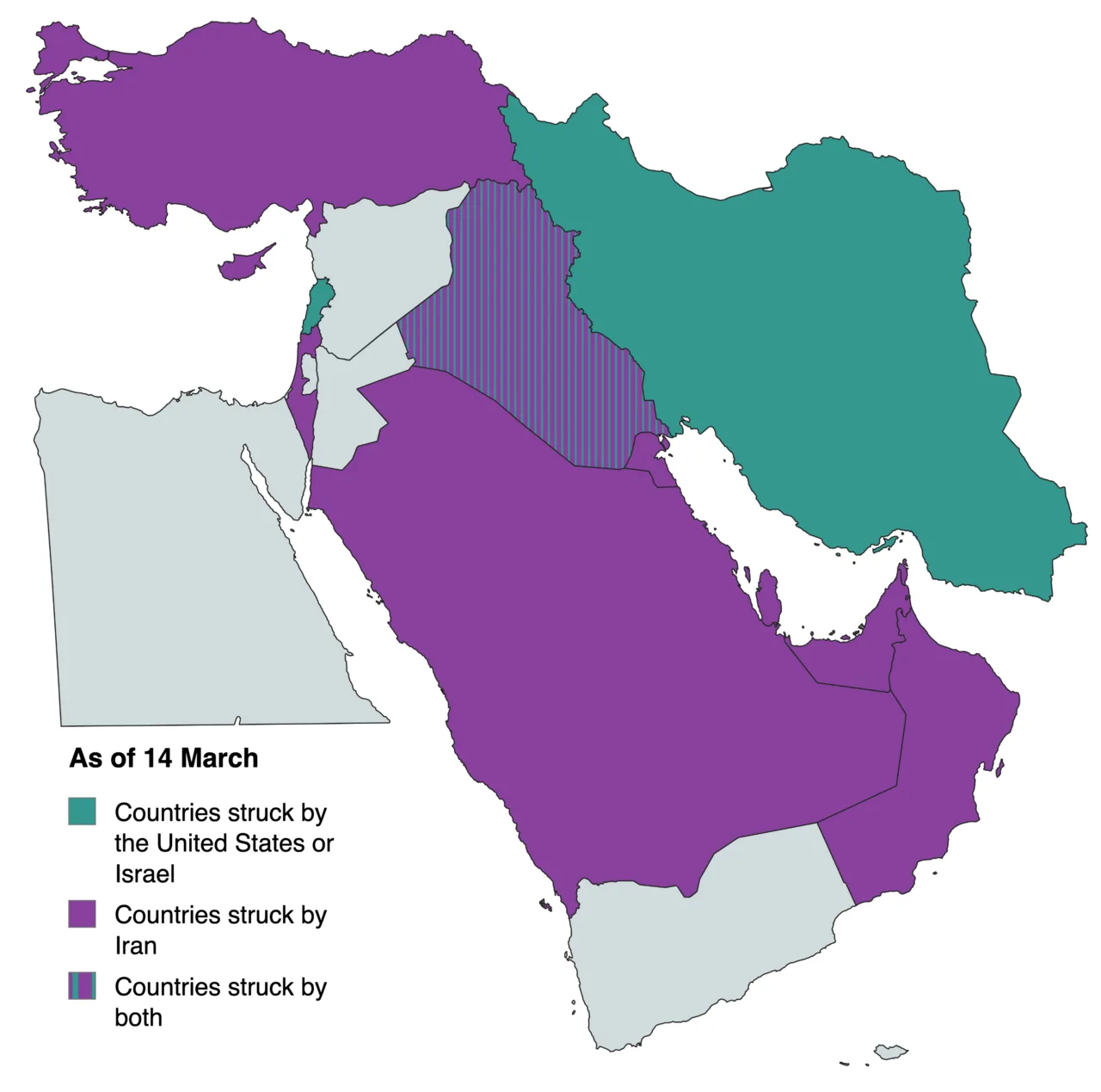
The United States armed forces have ceased their airstrikes against Iran, and Tehran has stopped its attacks on neighboring countries in the Persian Gulf region. This pause follows nearly two weeks of continuous bombardments, which began after the failure of the previous truce between the two sides.
Currently, the USA and Iran are conducting diplomatic negotiations to prevent escalation into a full-scale war. According to a representative of the negotiation process, quoted by the Associated Press, the cessation of active military hostilities is a "positive signal that supports de-escalation efforts." He added that both sides have an interest in returning to the temporary ceasefire agreement.
Conflict Context and the Significance of the Strait of Hormuz
The resumed American attacks were a direct response to Iran's decision to close the Strait of Hormuz. Control over this waterway is critical to the global economy, as approximately one-fifth of the world's oil passes through it.
The military conflict in the region began on February 28, when the USA and Israel launched strikes against Iran. In response, Tehran began attacks against targets in Jordan, Bahrain, and Kuwait, and also blocked the Strait of Hormuz.
Chronology of Agreements
In mid-June, a memorandum for a 60-day ceasefire was signed, which allowed for the reopening of the Strait of Hormuz. However, on July 8, following an exchange of strikes in the strait, the truce was declared terminated.
Michael Singh, a senior director for the Middle East on the National Security Council during the George Bush administration, commented to AP that if this pause turns into several days, it will be "something significant." He noted, however, that it is difficult to determine whether the current state is a lasting diplomatic pause or merely an operational break.

Comments (0)