The Path to the Moon: How NASA Plans to Build a Permanent Outpost by 2030
NASA has set an ambitious goal: to build a permanent outpost on the Moon by 2030. This strategy is a detailed analysis by experienced geologist Clive Neil, who, in his column for the British "Independent," outlines the key steps and challenges facing the Artemis program.
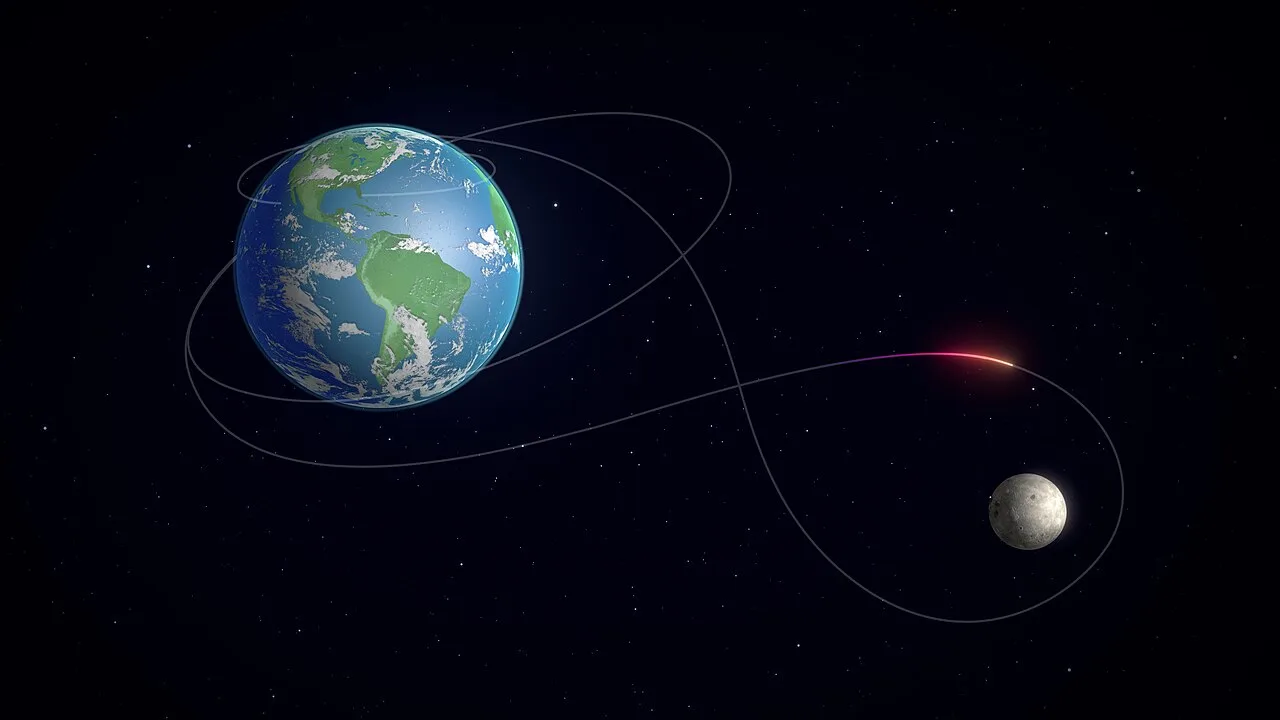
According to Neil, a key moment will be the Artemis II mission, planned for the spring of 2026. It will be a sort of "Artemis moment" – comparable to the historic Apollo 8 flight in 1968. The success of this mission will mark the beginning of a new era, in which humans will learn to live and work productively in conditions different from Earth, which is critical preparation for future flights to Mars.
Data shows a massive schedule for the next decade. By 2036, approximately 79 launches and 73 lunar surface landings are expected. The plan is structured so that by 2027, most missions will be robotic and unmanned, after which the agency will transition to two piloted flights per year.
The main challenge for NASA, however, is not just landing, but the construction of the base itself. The geologist emphasizes that to achieve a sustainable presence, the agency must change its paradigm: instead of single, isolated expeditions, it must focus on consecutive missions that return to the same location to build upon the already established infrastructure.
Comments (0)