The Black Sea as a "Natural Museum": How Underwater Archaeology Reveals the Secrets of Sozopol
While tourists enjoy the summer on Bulgarian beaches, for archaeologists, this is one of the most active seasons for research. Bulgaria's underwater cultural heritage is among the richest in the Black Sea region, and the area around Sozopol reveals traces of human activity dating back more than 7,000 years.
According to Dr. Nayden Prahov, director of the Institute of Underwater Heritage in Sozopol (under the auspices of UNESCO), the Black Sea functions as a massive natural museum underwater. The unique natural conditions—high hydrogen sulfide content and the lack of oxygen in deep waters—allow organic materials to be preserved in an exceptionally good state. This is a rare phenomenon that is almost impossible in other seas.
Preserved Traces of Prehistory
The archaeological discoveries in the waters of former Apollonia Pontica (Sozopol) are impressive. Teams have discovered remains of prehistoric settlements from the Neolithic, Chalcolithic, and Bronze Ages. Beneath the seabed, residential structures, wooden columns, and artifacts are being found, proving that this area was once a fertile coastal valley with freshwater sources.
Technologies and Challenges
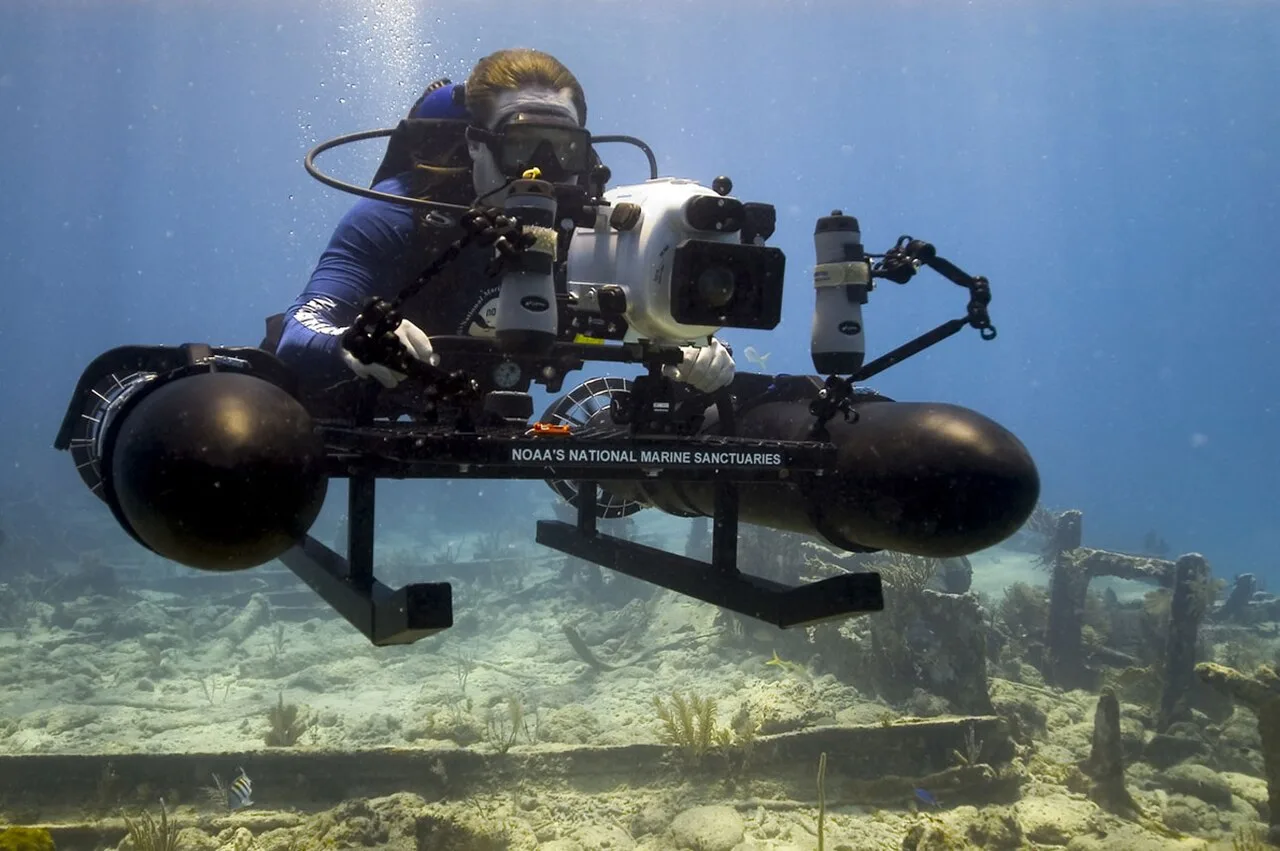
Most excavations are carried out at depths of up to 10 meters, but for deeper sites, specialists rely on modern technologies such as remotely operated underwater vehicles (ROVs), sonars, and echosounders. The process requires precise preparation and strict safety protocols, as every dive is a risky and high-tech activity.
Research confirms that the gradual rise in sea level after the last ice age submerged vast territories, turning ancient settlements into underwater sites. These processes not only rewrite the history of the region but also offer a scientific basis for understanding the legends of the "Great Flood" that exist in many ancient cultures.
Comments (0)