Scientific Discovery: Solar Storms Could Be Twice as Dangerous to Earth as Previously Thought
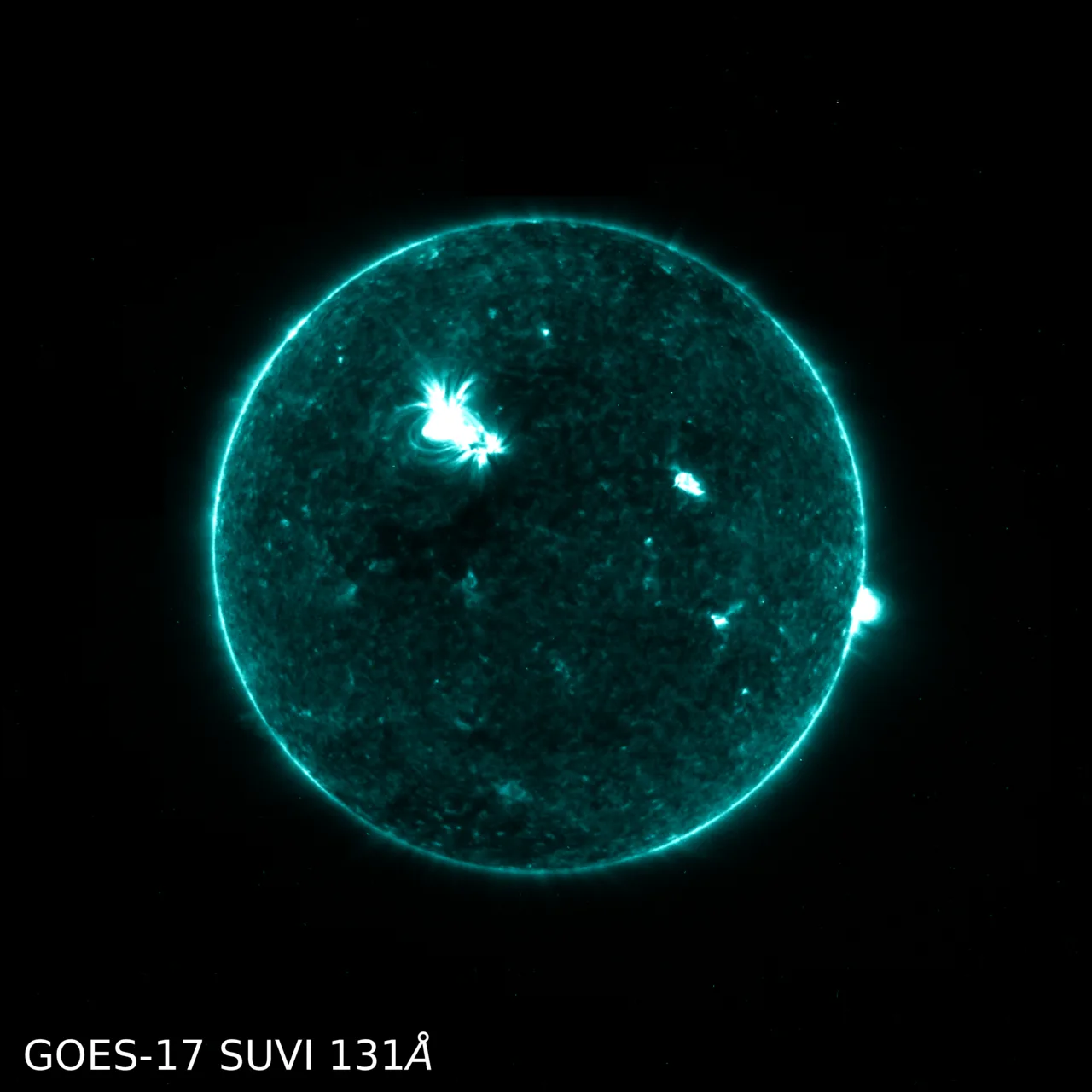
Existing models of Earth's protection against solar activity may be incorrect. According to a new study published in the prestigious journal Nature, the impact of geomagnetic storms on our infrastructure could be twice as strong as previously suggested.
For decades, astrophysicists believed that the planet's magnetic field possessed a natural "saturation" mechanism—a type of limiter that prevents an excessive system response during strong solar winds. However, the study, conducted by a team led by Dr. Nitin Sivadas and Dr. Maria Wallack, proves that this "ceiling" was merely a statistical illusion.
By analyzing over one million measurements from NASA's MMS and THEMIS spacecraft, scientists found that the mathematical phenomenon of "regression to the mean" skewed the data. Due to uncertainty in measuring extreme events, the highest values were inadvertently averaged, creating a false sense of security.
The real picture is much more serious: the magnetic field responds linearly. This means that the more powerful the solar strike, the stronger the storm, with no visible physical limit. The lack of this "protective shield" puts our critical infrastructure directly in the line of fire.
Extreme solar flares can induce massive electrical currents that threaten:
- Power grids;
- Satellite communications and GPS navigation;
- Air travel safety.
Dr. Maria Wallack warns that because technological systems are designed based on incorrect models, the safety margin is much smaller than expected. Under extreme conditions, this could lead to the loss of satellites and the collapse of global communication systems.
The authors of the study emphasize that this discovery also has implications for other scientific fields, such as climatology and medicine, where similar statistical errors can lead to incorrect risk assessments of extreme weather events or health conditions.
Comments (0)