Pig farmers demand strategic status and priority funding in the new Common Agricultural Policy
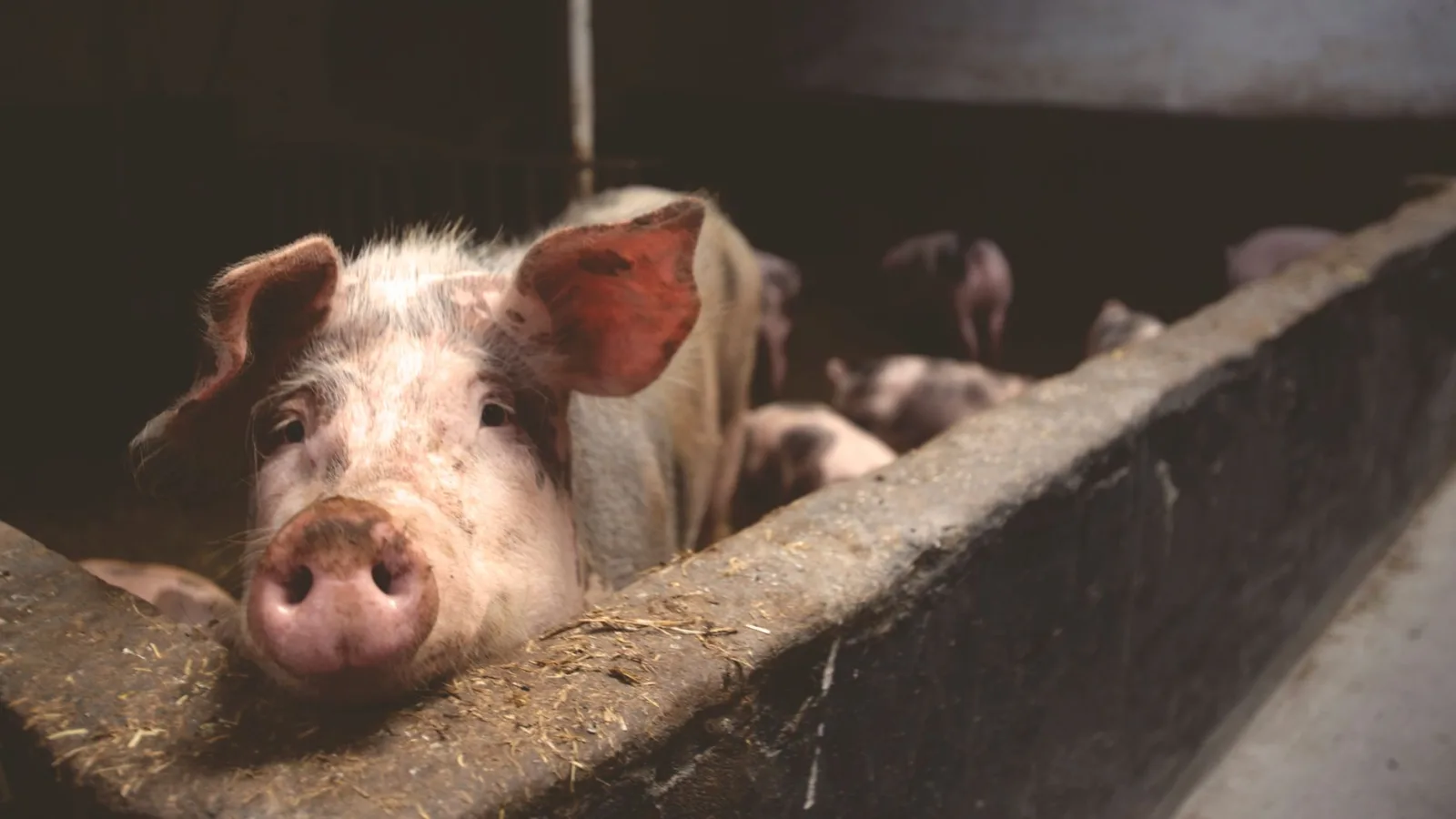
Bulgarian pig farming must be recognized as a strategic sector, crucial for national food security. This is the primary demand of the Association of Pig Farmers in Bulgaria, which sent an official opinion to Minister of Agriculture Plamen Abrovski.
The industry's proposals are aimed at preparing the national position for the Common Agricultural Policy (CAP) for the 2028–2034 period. Producers emphasize that the sector is highly capital-intensive and exposed to serious risks—from epizootics (such as African Swine Fever) to market crises and increasing environmental requirements.
Key Priorities: Investment and Digitalization
One of the main demands is for pig farming to receive priority access to investment support. The industry proposes:
- Vertical Integration: Support for the connection between feed production, animal husbandry, slaughterhouses, and meat processing, to keep the added value within the country.
- Modernization and Technology: Funding for automation, microclimate management, and the implementation of artificial intelligence and sensor systems for precision livestock farming.
- Market Transparency: Creating a market monitoring system with reference prices for live pigs.
Ecological Transition and Biosecurity
The Association supports European environmental goals but insists that every new requirement—whether for reducing ammonia emissions or for more humane treatment of animals—must be accompanied by adequate funding. Support is proposed for biogas production and manure management technologies.
Special attention is given to biosecurity. The association's chairman, Lefter Lefterov, proposes the creation of a special investment intervention for disease prevention and risk management mechanisms to compensate farms during epizootics or severe market shocks.
Reducing Import Dependency
To strengthen national production, the industry proposes stimulating the cultivation of local protein crops for feed. The goal is to reduce dependence on imported proteins and meat by building shorter and more sustainable supply chains.
Comments (0)