Lebanese Army Begins Deployment in South Lebanon: First Steps Toward Implementing Stabilization Plan
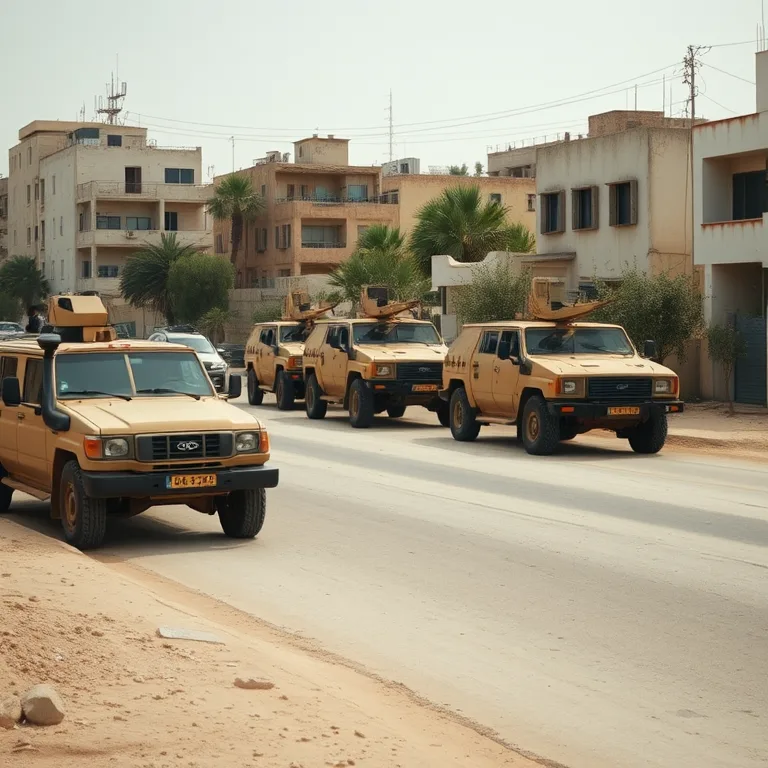
The Lebanese army has officially begun deploying its units in the southern town of Zaatar al Gharbieh. This marks the first practical step in the implementation of the US-backed plan to stabilize South Lebanon, after Israeli troops began regrouping their forces, sources cited by "Reuters" reported.
The new initiative, called a "pilot program," aims to gradually replace the Israeli presence with official Lebanese institutions. The army's primary task is to establish control over key settlements, enforce state sovereignty, and work toward the disarmament of the Iranian-backed Hezbollah group.
Israeli military authorities confirmed the regrouping process, emphasizing that the project's success will depend on Lebanon's ability to present itself as the sole legitimate armed force in the target areas. Lebanon seeks to restore full control over the approximately 10-kilometer strip in the southern part of the country, which remains under Israeli occupation.
The situation on the ground remains extremely difficult. Fighting in the region has left behind destroyed villages, hospitals, and critical infrastructure, preventing tens of thousands of refugees from returning to their homes. For security reasons, the Lebanese command has urged civilians to avoid the Zaatar al Gharbieh area until the situation is fully stabilized.
Although Israeli authorities express skepticism regarding the real possibility of disarming Hezbollah, the agreement reached last month is seen as a key step toward lasting peace. In parallel, the President of Lebanon is expected to discuss the specific details of the disarmament plan and the process of Israeli force withdrawal with Donald Trump.
Comments (0)