From the 'King of the North' to Downing Street: Who is Andy Burnham and what does his rise to power mean?
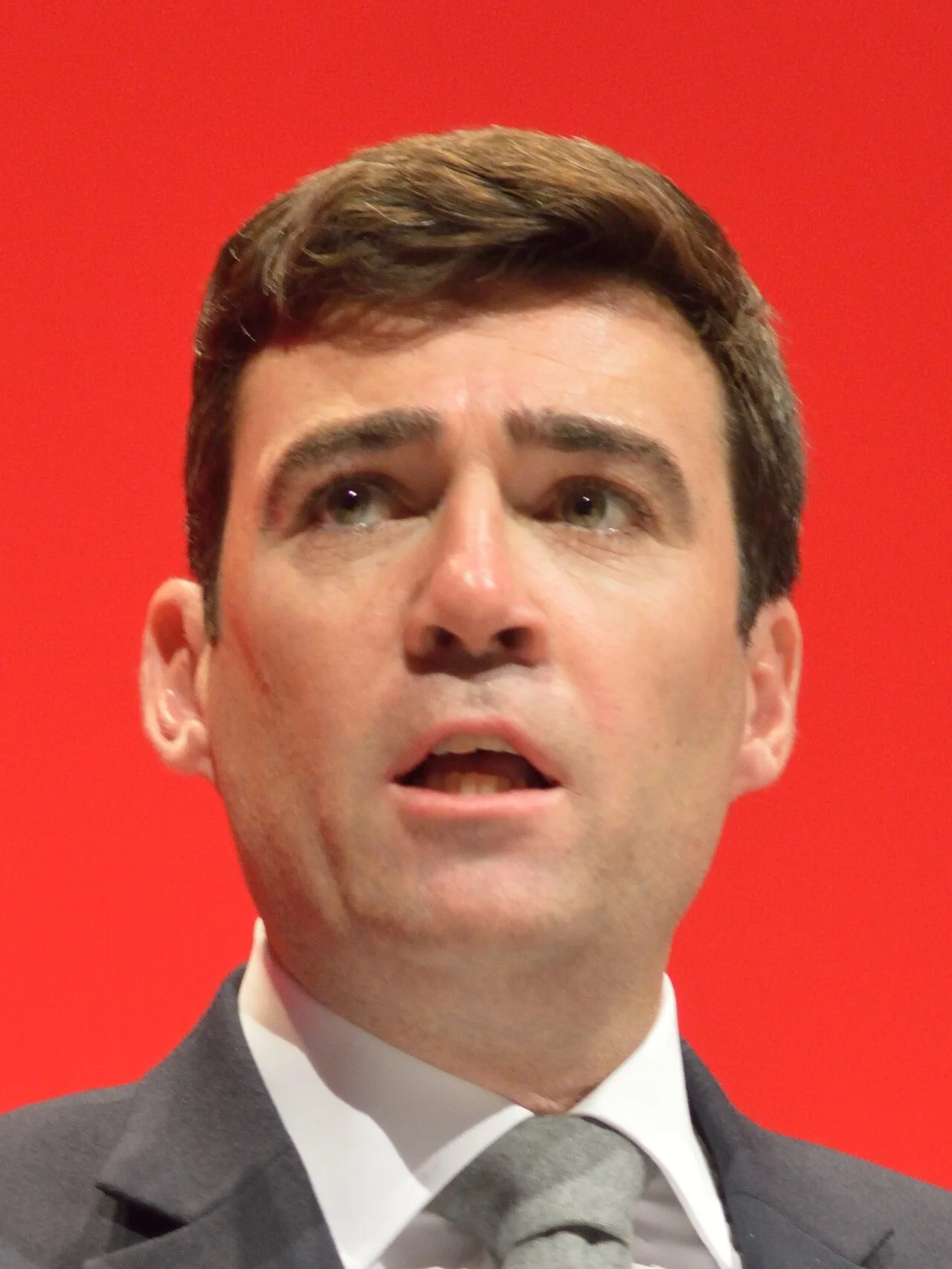
The United Kingdom is entering a new political cycle. Andy Burnham, the former Mayor of Greater Manchester, has been elected leader of the Labour Party and is expected to be officially invited by King Charles III to become the country's 59th Prime Minister.
Burnham is not your typical elite politician from London. His political profile is built on the image of a "man of the people" – direct, sometimes sharp in his statements, and deeply connected to the needs of England's northern regions. Popularized as the "King of the North" following his emotional speech during the COVID-19 pandemic, he succeeded in mobilizing support from those who feel neglected by the central government.
The Path to Power: Between Cambridge and Manchester
Despite being a graduate of the prestigious University of Cambridge, Burnham has always emphasized his humble roots. His political career has been marked by a struggle for justice – most notably his role in uncovering the truth regarding the Hillsborough stadium tragedy, where he defended the rights of football fans against institutional lies.
As Mayor of Manchester, he demonstrated an ability to effect real change, albeit subject to criticism. His successes in reforming urban transport and attracting investment are contrasted with ambitious promises (such as ending homelessness) that have not always been fully realized. This balance between pragmatism and populism will be key to his governance.
What does this mean for the average citizen?
The change in leadership in London signals a potential shift in the priorities of the British government. If Burnham succeeds in bringing his "regional focus" to Downing Street, we can expect a greater emphasis on decentralization and infrastructure investment outside the capital. However, he faces enormous challenges: high national debt, weak economic growth, and deep political division within the country.
For the international community and economic markets, the question is whether Burnham's instinctive and communicative style will allow him to overcome the UK's structural problems or if he will remain confined within the bounds of political rhetoric.


Comments (0)