China to tax solar technologies and batteries to curb overproduction
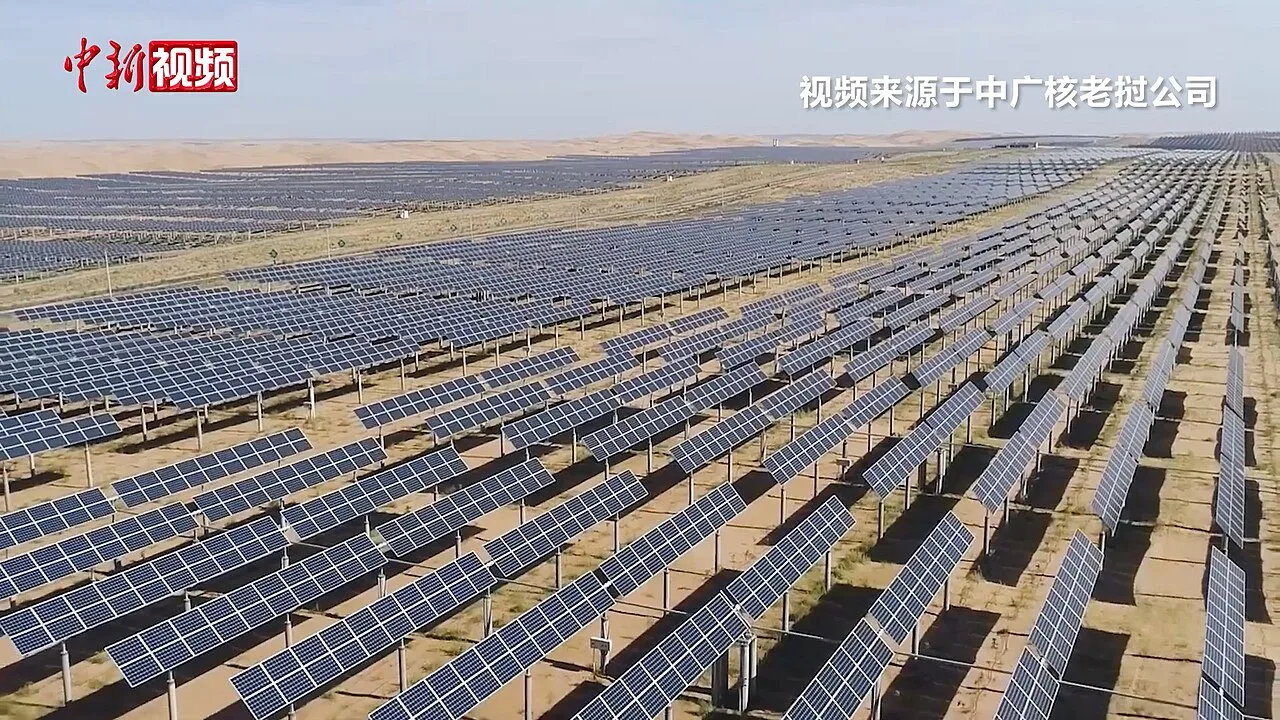
China is launching a large-scale reform in the clean energy sector by introducing new consumption taxes on photovoltaic cells and energy storage systems. The measure is a direct response from authorities to the problem of overcapacity, which for two years has kept prices low, threatening the profitability of manufacturers.
According to decisions by China's Ministry of Finance, starting April 1, 2027, photovoltaic cells will be taxed at 2%, with this rate increasing to 4% in 2028. A similar progression is planned for battery technologies – lithium-ion and nickel-metal hydride batteries will be taxed at 2% from September 2026, increasing to 4% in 2027.
Analysts believe that although the percentages seem small, they will exert serious pressure on companies with low profit margins. The new tax regime is expected to accelerate market consolidation, pushing out outdated and inefficient production capacities in favor of modern technologies with higher added value.
The reform is not an isolated step, but part of a broader strategy that includes new national energy efficiency standards coming into force in January 2027. These will impose stricter requirements on the energy intensity of the entire production cycle.
Beijing's previous attempts to regulate the sector through direct administrative measures – such as a plan to purchase and decommission capacities from leading polysilicon producers – proved unsuccessful due to concerns about market monopolization. Now, the state is betting on a combination of tax instruments and technical standards to achieve a more sustainable market environment.


Comments (0)