Breakthrough in Cholesterol Treatment: FDA Approves First Oral PCSK9 Inhibitor
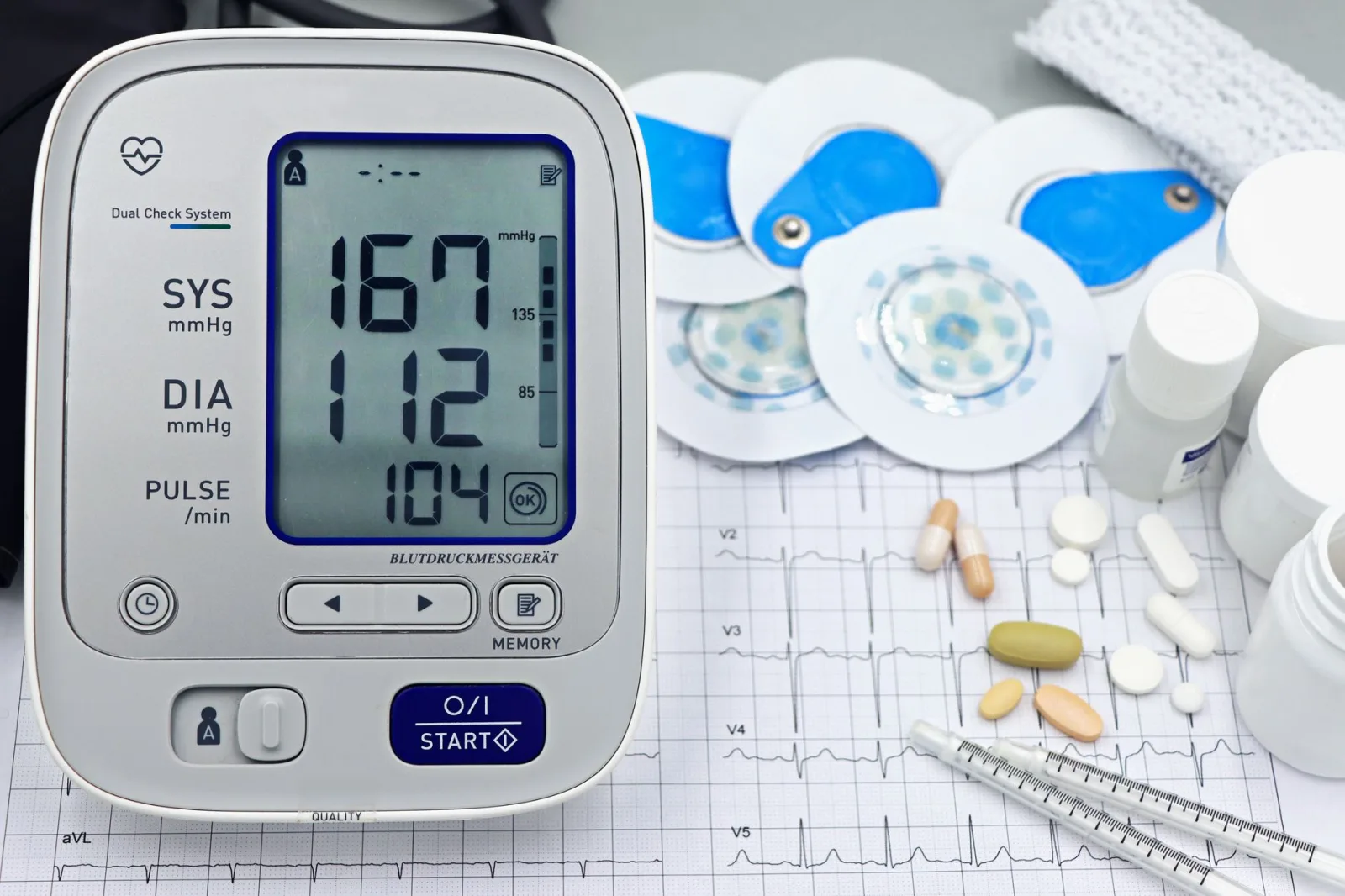
The US Food and Drug Administration (FDA) has given the green light to an innovative therapy that promises to change the way 'bad' cholesterol levels are controlled. The drug Lipfendra (enlicitide), developed by pharmaceutical giant Merck & Co., has been approved; it is the first in its class of PCSK9 inhibitors designed for oral administration.
Until now, treatment with PCSK9 inhibitors required administration via injections, which often posed a challenge for patients with chronic conditions. The new medication is a macrocyclic peptide therapy taken once daily in pill form. It is intended to serve as an adjunct to standard diet and physical activity in adult patients with hypercholesterolemia, including individuals with heterozygous familial hypercholesterolemia.
Efficacy and Clinical Results
The regulator's decision is based on compelling data from clinical trials showing a significant drop in LDL (bad) cholesterol levels. According to results from the first study, in patients at high risk of cardiovascular disease, Lipfendra reduced LDL levels by an average of 56% after 24 weeks compared to the placebo group.
A second key trial, focusing on patients with heterozygous familial hypercholesterolemia, showed even higher efficacy – with an average cholesterol reduction reaching 59%.
A New Direction in Pharmaceuticals
Dr. Michael Davis, Acting Director of the FDA's Center for Drug Evaluation and Research, emphasized that this approval provides a critical additional treatment option. He added that this is part of the US regulator's broader efforts to improve access to innovative therapies for chronic diseases.
The development of oral peptide therapies is a trend gaining momentum in the global pharmaceutical industry. Other major players are already working on similar solutions – for example, AstraZeneca is developing its oral PCSK9 inhibitor (laroprovstat), which is currently undergoing phase three clinical trials. This suggests that the transition from injections to pills for controlling metabolic disorders is in the process of large-scale implementation.


Comments (0)