Between Vienna and the Mother Tongue: How Slovenian Poetic Modernism Was Born
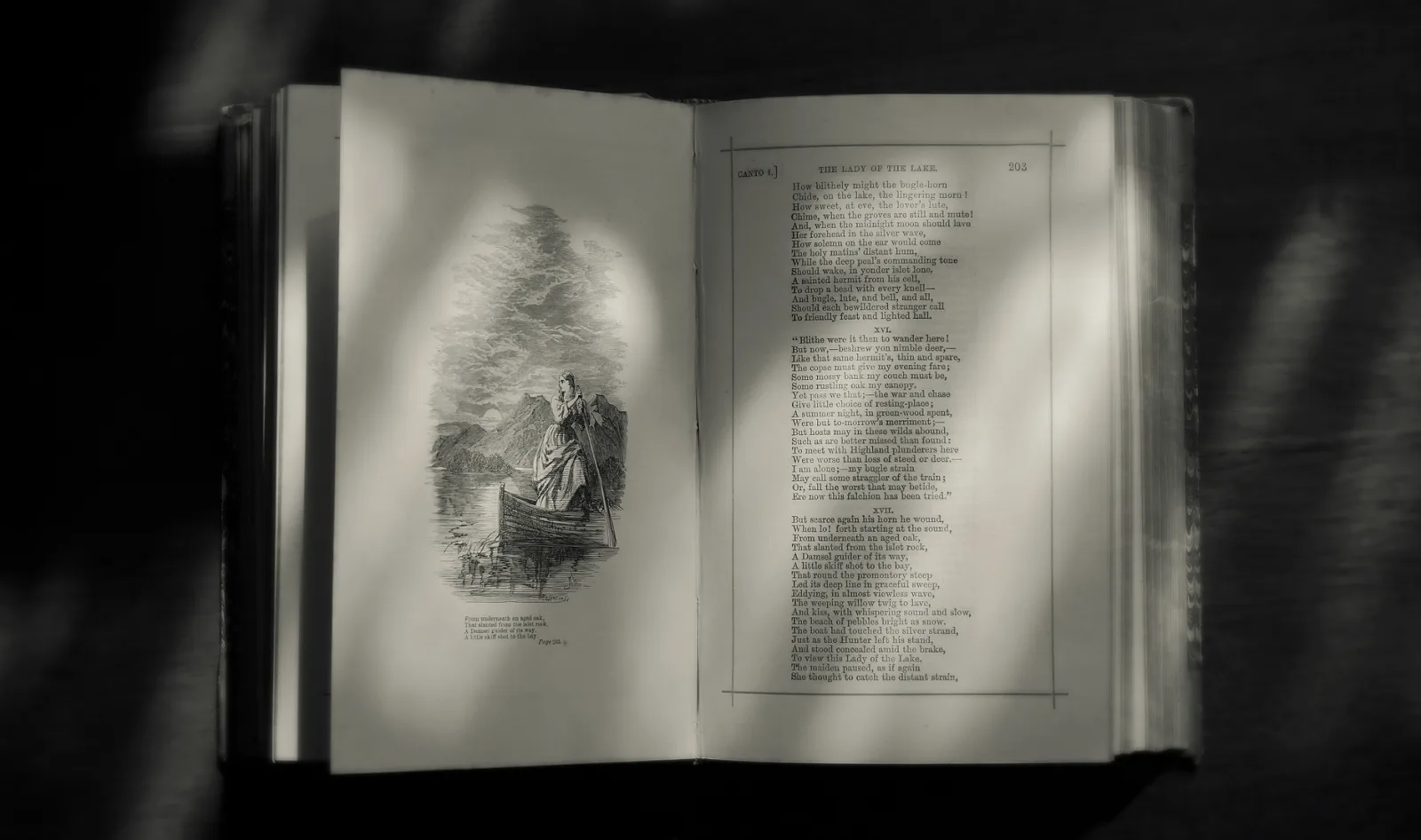
Modernism is not just a literary movement, but a large-scale reaction against the outdated, born in a world of tearing socio-political changes during the transition from village to industrial city. In an interview with Vladislav Hristov, Lyudmil Dimitrov analyzes how these changes transform not only everyday life, but the very aesthetics of European culture.
According to Dimitrov, modernism emerges as a "level playing field" for different nations, providing them with a shared fictional adventure that enriches art. He emphasizes that although shorter-lived than the Renaissance or Romanticism, modernism is a powerful force that transforms literary norms and styles.
The conversation also explores the definition of genre. Dimitrov argues that "pure genres" are more of a virtual concept, and every work is hybrid and eclectic. He also makes an important distinction between symbolism and the avant-garde: while symbolism is a "buffer zone" of romanticism, focused on introversion and mystical insight, the avant-garde is politically engaged and street-oriented.
Special attention is given to the Slovenian context. The specific identity of the Slovenes was formed within the framework of the Austro-Hungarian Empire, where cultural influence was predominantly German-speaking. Dimitrov notes that the great Slovenian classics were alumni of Vienna, but the conscious choice of writers like France Prešeren to create in their mother tongue was key to building the national literary canon and the aesthetic profile of the nation.

Comments (0)