2026 Budget signals loosening of fiscal policy, says Boris Petrov
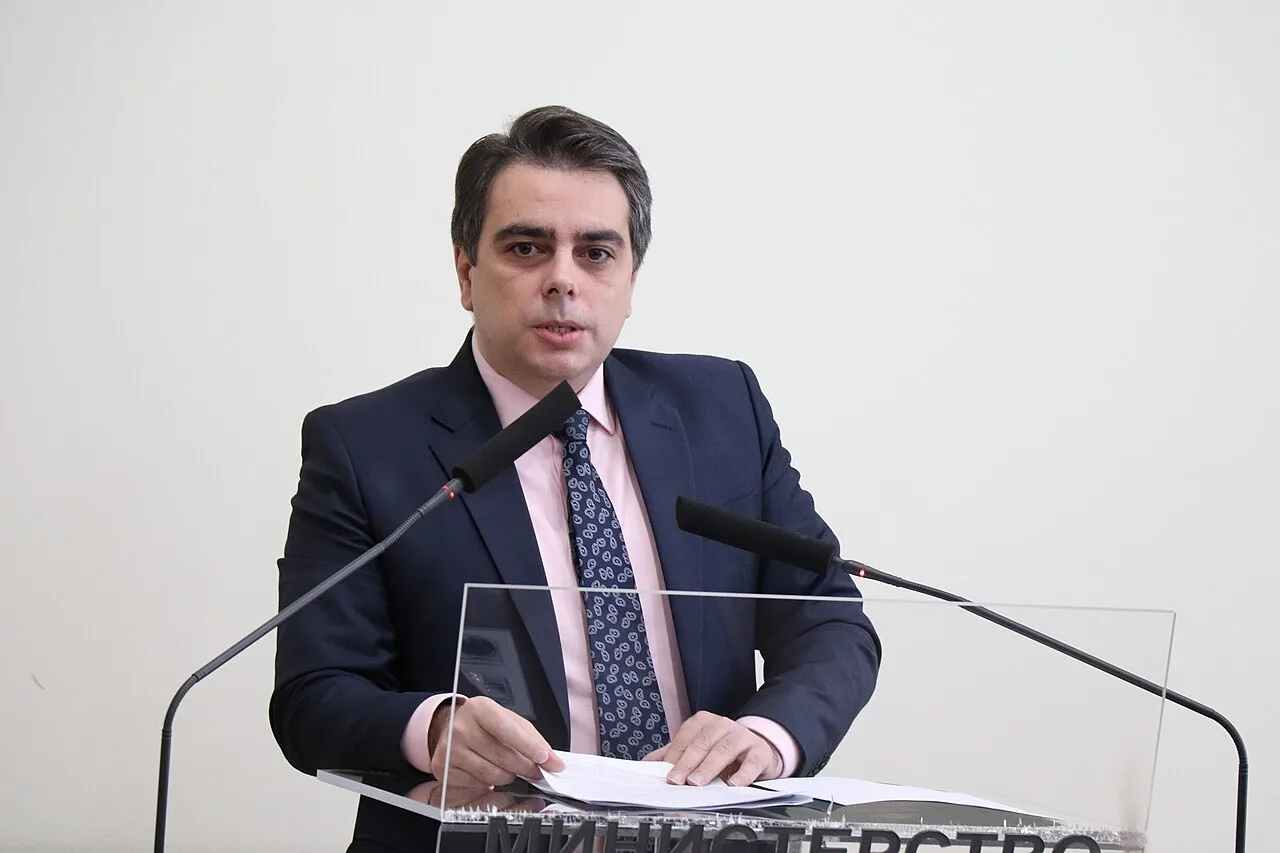
Bulgaria's draft budget for 2026 carries a risk of loosening fiscal policy, shares financier Boris Petrov. In an interview with Bloomberg TV Bulgaria, he emphasized that the main problem with the budget is not just in the numbers, but in the conceptual approach – the lack of a real desire to limit government spending.
According to Petrov, previous governments, despite some one-off measures, have strived to comply with the Maastricht criteria. However, in the current draft, there is a noticeable lack of a clear path for structural changes in capital and current expenditures, which could fail to prepare the ground for more serious reforms in 2027.
One of the positive aspects noted by the expert is the containment of the trend of uncontrolled growth in personnel costs. Until now, the automatic recalculation of salaries in certain sectors led to a significant jump, but this process has now been partially halted. Nevertheless, Petrov believes this is only a partial solution to the problem.
Regarding social spending and public sector wages, the financier notes that the state must be careful with the pace of growth. He emphasizes that the growth in remuneration so far has often exceeded labor productivity and nominal GDP growth, which requires a correction.
Despite the discussions, Boris Petrov expresses the opinion that Bulgaria should not make radical changes to its tax system. He describes the current fiscal architecture as modern, efficient, and successfully balanced, warning that general changes to income taxation would be a mistake.
Why are important reforms in administration and the budget being postponed? According to the expert, the reason lies in political instability, the short mandates of governments, and upcoming elections, which shift long-term tasks away from the state agenda.


Comments (0)