Ukraine intensifies attacks against the Russian tanker fleet in the Sea of Azov
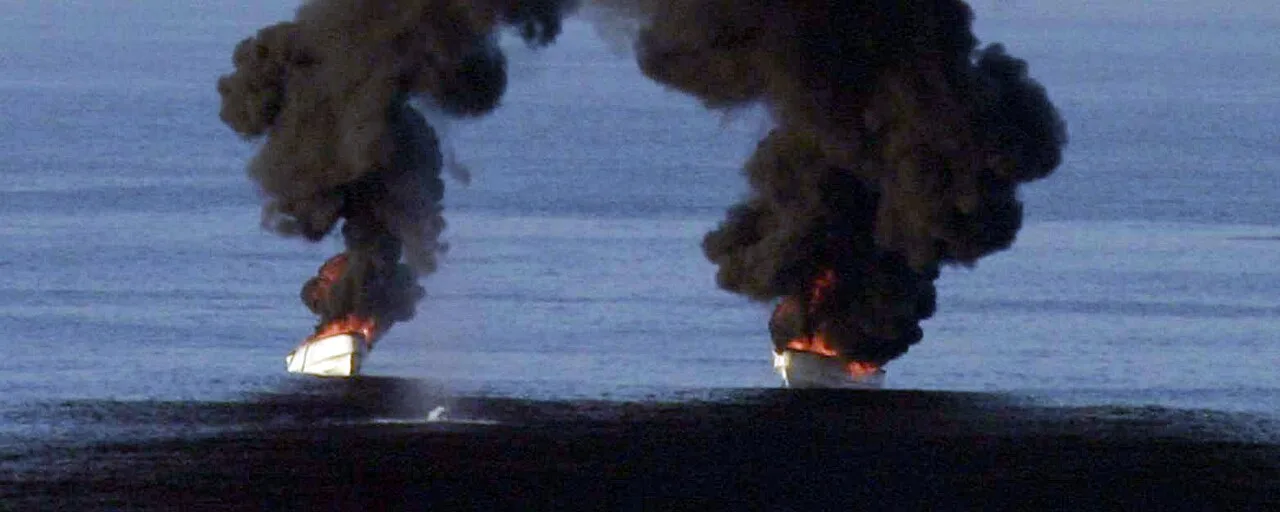
The Ukrainian armed forces have conducted a large-scale operation against Russian maritime infrastructure in the Sea of Azov, affecting 12 tankers. According to information from the General Staff of Ukraine and Russian regional authorities, the attacks are part of a broader campaign to disrupt fuel supplies to the Russian troops.
One of the strikes was aimed at a tanker at the moment it was leaving the Sea of Azov for the Black Sea. Despite the resulting fire, authorities in the Rostov region claim that the incident has been contained and there is no risk of an environmental catastrophe or oil spills, as the vessel's tanks were empty.
What does this mean for the regional situation?
The increased intensity of attacks against Russia's auxiliary infrastructure is a strategic move by Kyiv. The goal is not only the physical damage to ships but also the creation of logistical chaos. So far, over 40 tankers have been affected within the latest campaign. For the average citizen in the region, this means higher uncertainty in maritime routes and a potential intensification of economic and energy restrictions in the occupied territories, where a state of emergency has already been declared due to fuel shortages.
The escalation of strikes on maritime transport highlights the transition of the conflict to a phase of actively attacking the opponent's economic and logistical "arteries," making the supply of the front and Crimea increasingly difficult and expensive.

Comments (0)