The Digital Divide in the EU: Only 18% of Farms Use Precision Agriculture
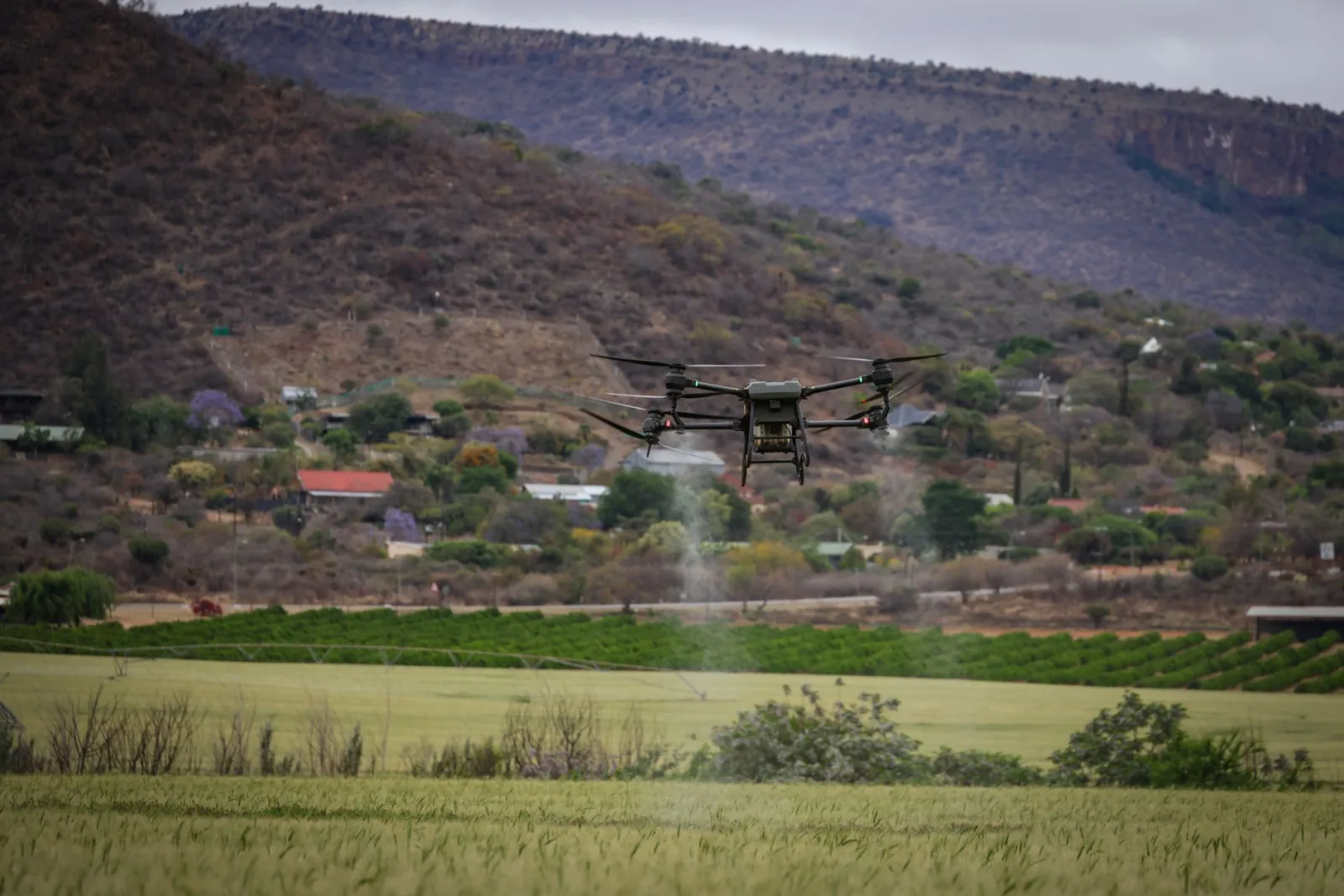
The technological modernization of European agriculture is moving at different speeds, with key innovations remaining concentrated in larger and more capitalized farms. According to the latest Eurostat data for 2023, only about 18% of agricultural land in the European Union is managed through precision farming methods.
Although the percentage of farms implementing these technologies is relatively low, they control a significant portion of resources – approximately 44% of the total utilized agricultural area in the EU. This highlights the trend of larger players entering more rapidly into the use of satellite data, GPS, and sensors for the optimization of fertilization and plant protection.
The Digital Divide and Internet Access
Data shows that 43% of agricultural holdings in the EU have internet access. Leaders in digitalization are countries such as Denmark, Germany, and Austria, where this indicator exceeds 90%. On the other hand, the sector is still far from full automation – only 11% of farms use farm management systems, and robotics is implemented in only about 7% of them.
Regional Differences and Challenges
A serious discrepancy is observed between member states. While in Luxembourg, Finland, and Estonia, precision technologies manage over 75% of the land, in Greece and Romania this percentage is between 10% and 15%, and in Cyprus it is barely 1%.
Experts note that small farms are lagging behind primarily due to a lack of necessary infrastructure, investment capital, and specialized knowledge. Nevertheless, the future of the sector is closely linked to digitalization – artificial intelligence and automation are not a threat to the profession, but a tool that transforms the farmer from a simple operator into a strategic decision-making manager.
Comments (0)