Successful Starship Test: SpaceX Collects Data After Controlled Ocean Landing
Mission Results
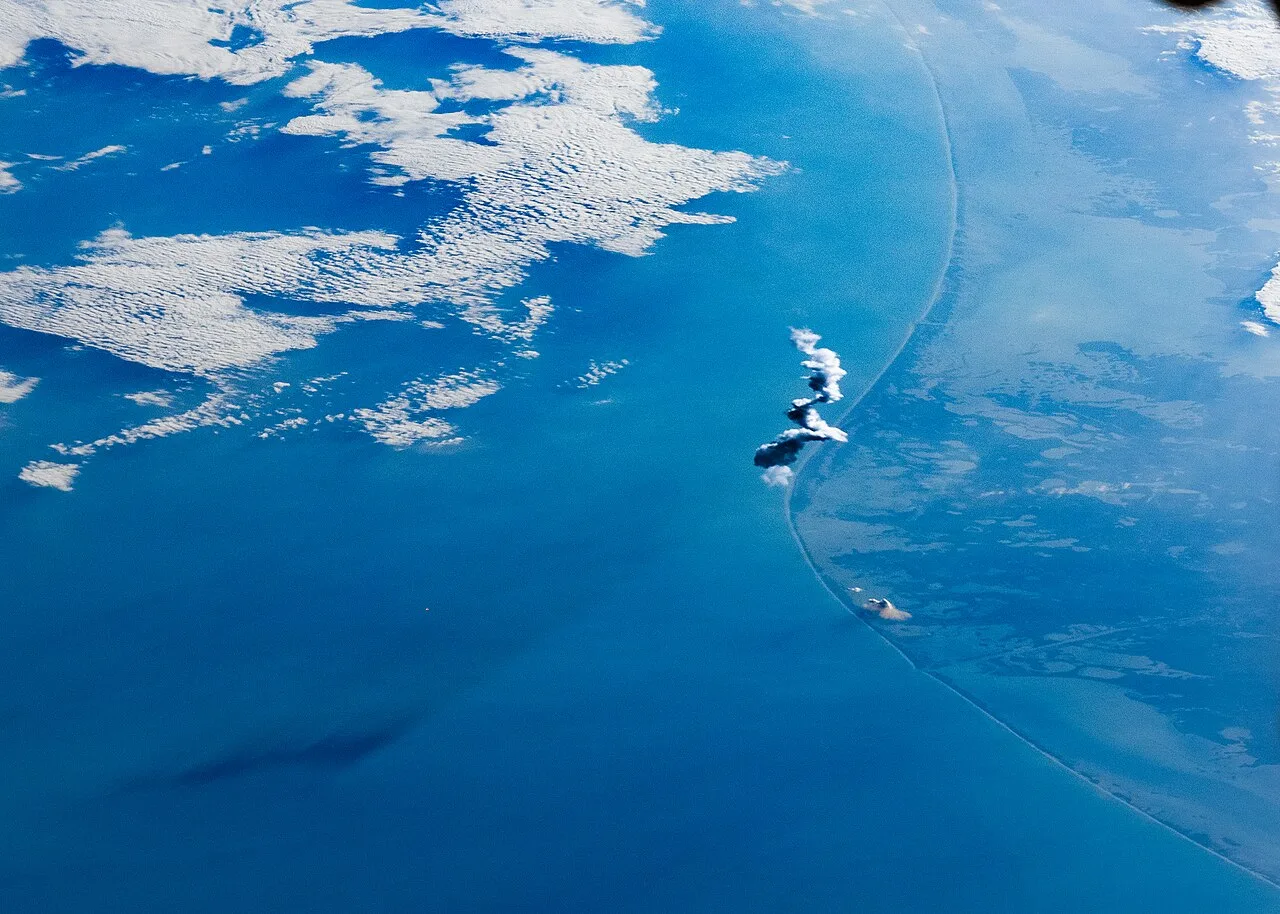
SpaceX has achieved significant progress in testing its most powerful rocket system, Starship. During the spacecraft's return, the thermal protection showed high resilience and survived almost without damage, allowing Starship to perform a controlled landing in the Indian Ocean.
The system's first stage, the Super Heavy booster, failed to achieve a soft landing and crashed into the Gulf of Mexico. Nevertheless, SpaceX representatives classified the mission as a success, emphasizing the value of the data collected for future flights.
Technical Specifications and Future Goals
Starship is the largest and most powerful rocket system designed to date. It reaches a height of approximately 122 meters and uses a combination of liquid methane and liquid oxygen as fuel. The primary goal of the system is to be reusable for transporting humans and cargo to the Moon and Mars.
As part of NASA's Artemis III program, a modified version of Starship has been selected as the lunar lander. Before transitioning to regular operations, SpaceX plans a series of critical tests. These will include in-orbit refueling, space docking, as well as testing the full recovery of both the spacecraft and the booster.

Comments (0)