Risks of Constant Contact Lens Wear: How to Protect Our Vision
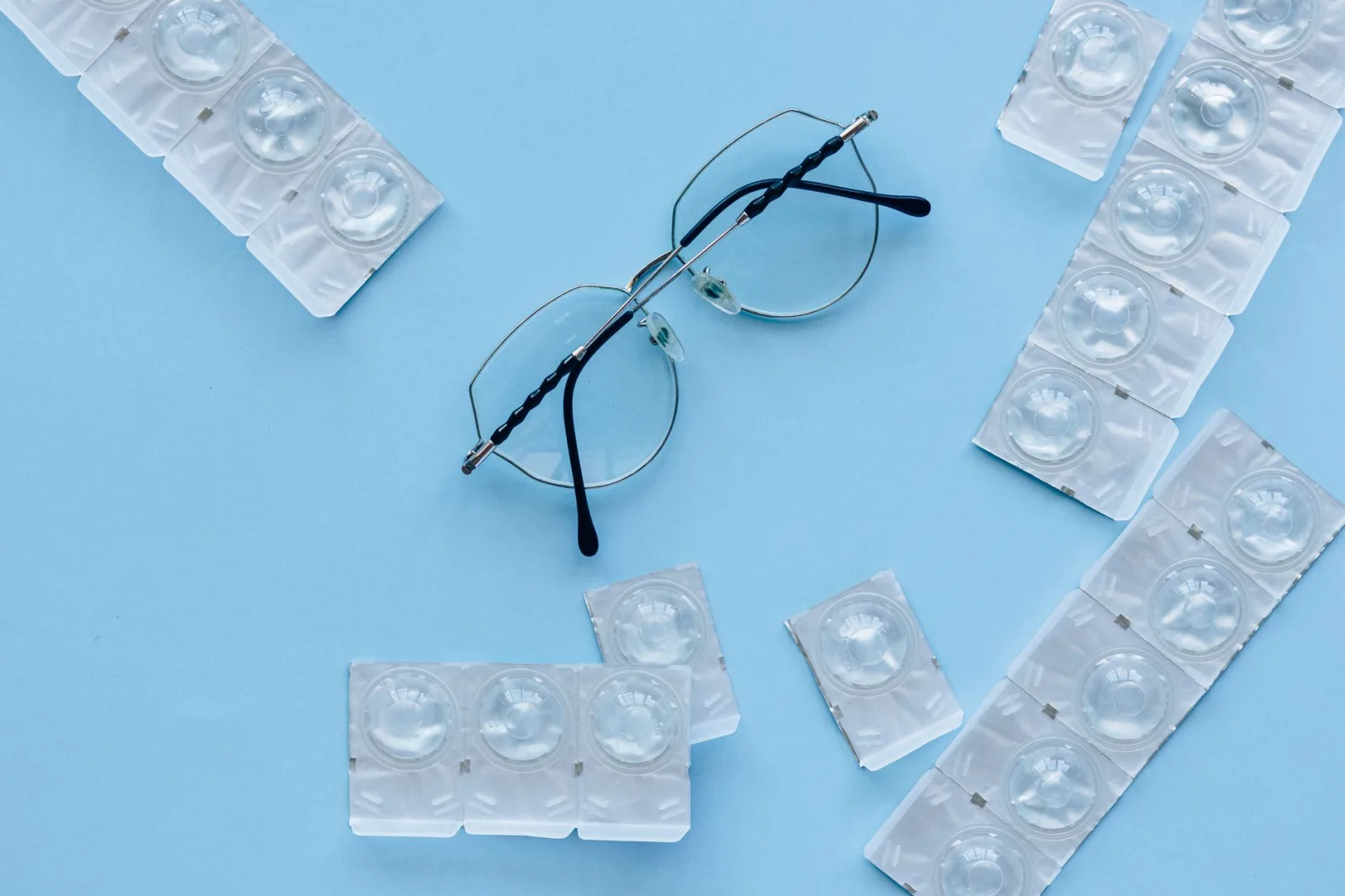
Although contact lenses offer significant freedom and comfort compared to glasses, their improper or excessive use can lead to irreversible changes in vision. Ophthalmologists emphasize that eyes need periodic breaks to function optimally.
Oxygen Deprivation and Structural Changes
One of the most critical problems is the disruption of oxygen exchange in the cornea. Unlike other parts of the body, the cornea receives oxygen directly from the air. Even the most modern lenses create a barrier to this process. Prolonged wear, especially of older or lower-quality lenses, can cause hypoxia—a state of oxygen deprivation that leads to the growth of blood vessels into the cornea and permanent damage.
'Dry Eye' Syndrome and Risk of Infection
Contact lenses can disrupt the natural tear film, leading to so-called 'dry eye syndrome.' Symptoms include burning, redness, a sensation of sand in the eyes, and blurred vision. In addition to discomfort, there is a high risk of bacterial and Acanthamoeba infections, which can cause severe inflammation of the cornea (keratitis).
Accumulation of Deposits and Poor Hygiene
Using lenses beyond their recommended replacement period is extremely dangerous. Over time, proteins, lipids, dust, and cosmetic residues accumulate on them. These deposits make the lens surface rough, which can cause microscopic scratches to the eye and provoke allergic reactions or specific inflammations such as giant papillary conjunctivitis.
Golden Rules for Safety
To minimize risks, follow these basic recommendations:
- Alternate with glasses: Spend parts of the day without lenses, especially at home or during rest.
- Respect deadlines: Never use lenses that have expired.
- Hygiene: Always wash your hands before any manipulation and use only fresh solution.
- Avoid sleeping with lenses: Unless they are specifically designed for overnight wear, do not sleep with them.
- Regular check-ups: Visit an ophthalmologist for prevention.

Comments (0)