Real-World Methods: How Christopher Nolan Creates Cinema Without Smartphones and Email
Christopher Nolan's latest project, based on Homer's ancient Greek poem "The Odyssey," is demonstrating significant commercial success. In its opening weekend alone, the film generated $264 million in revenue on a budget of $250 million. The director admitted that working on the project was extremely exhausting, emphasizing that difficulties are inevitable when filming such a story.
One of the technical challenges is the use of a complex system of mirrors so that actors can see themselves in the frame, as the film roll changes every three minutes. Actor Matt Damon, in the role of Odysseus, shared details about the harsh filming conditions, including long periods of working in wet and freezing states.
Biography and Education
Born on July 30, 1970, the 55-year-old director holds dual British and American citizenship. He grew up between London and Chicago in a family consisting of an Englishman working in advertising and an American—a flight attendant and teacher. Nolan graduated in English Literature from University College London (UCL), choosing the university for the opportunity to use its 16mm camera and film processing laboratory.
Work Rituals and Digital Isolation
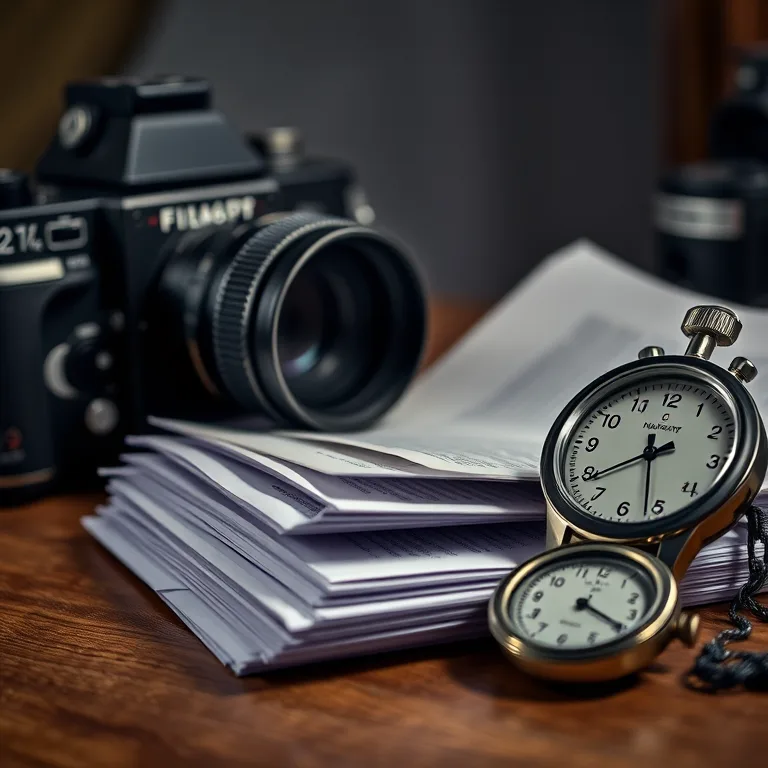
While some legends claim that Nolan bans chairs on set, he actually just prefers to personally monitor the filming of every shot without using a director's chair. A more authentic fact, however, is his attitude toward technology—the director does not own a smartphone and does not use email. For communication with the crew, his wife and producer Emma Thomas is used, and assistants print out important messages for him.
Nolan also maintains other specific habits: he writes his ideas on an old typewriter and maintains a consistent style of dress—always appearing in a blue shirt and a dark jacket or coat. He is also known for his personal ritual with an unchanging thermos of hot tea. The director is famous for his pursuit of analog methods, replacing computer images with thousands of real extras and massive sets, filming in six different countries. Even the atomic bomb explosion in "Oppenheimer" was recreated using "real-world methods."
From "Memento" to Future Horror Projects
With a career that began with the low-budget "Following" (1998), Nolan transformed the industry, especially with the "Dark Knight" trilogy, which introduced the use of IMAX cameras in feature films. His filmography demonstrates a specific cyclicality in periods of work and breaks, seen in projects such as "Memento" (2000), "Interstellar" (2014), "Dunkirk" (2017), "Tenet" (2020), and "Oppenheimer" (2023), which earned him an Oscar for Best Director.
Following the success of "Oppenheimer," he announced a three-year hiatus. Despite the break, the director has already shared that his next project will likely be in the horror genre. According to him, this genre requires an extremely careful conceptual approach and a "great idea." Meanwhile, "The Odyssey" is already among the favorites for the next Oscar awards.

Comments (0)