Pavel Shchelin to Martin Karbowski: The War in Ukraine is a Clash of Identities, Not Just Over Territories
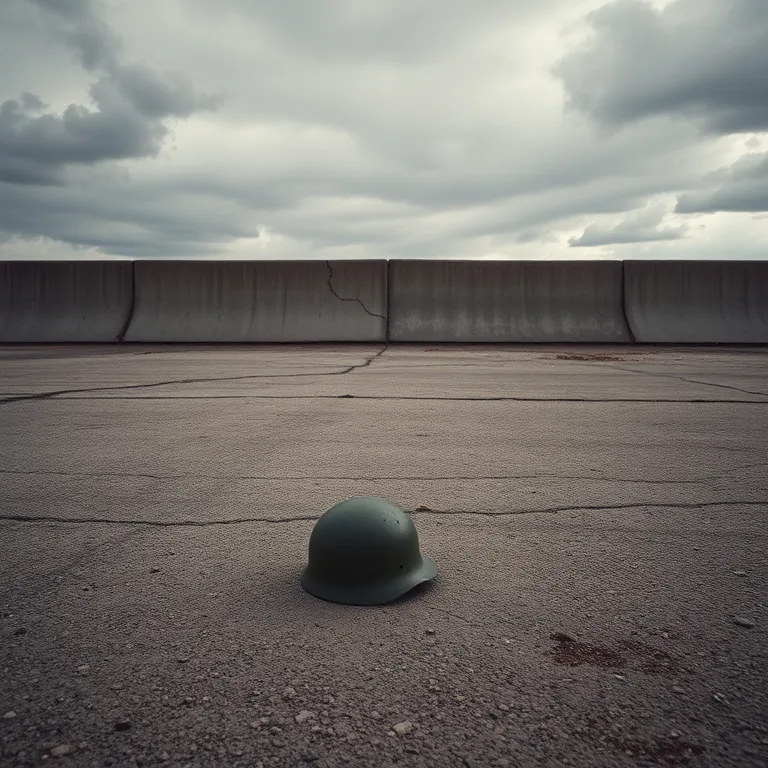
In a special interview with Martin Karbowski, Russian political philosopher and theologian Pavel Shchelin presents an unconventional view of the current conflict in Ukraine. Instead of a standard political analysis, Shchelin offers a civilizational perspective in which the war is not merely a struggle for borders, but a deep clash of values and historical memory.
Ukraine as a Geopolitical Tool
One of the most provocative points in the conversation is Shchelin's metaphor, according to which Ukraine functions as a "geo-drone." According to the philosopher, the country's territory has been used by great powers throughout the centuries, and today it serves as a tool for NATO and the EU to inflict maximum damage on Russia. "You don't care about the fate of the drone. Even if it is destroyed, if it hits its target, its task is accomplished," he states.
Historical Roots and Russia's Crisis
Shchelin views Ukraine from a historical-philosophical perspective as well, defining it as part of the Russian people that has taken a different path due to complex processes. He calls for reading Nikolai Gogol to understand the connection between Malorossiya and Russian identity.
In parallel, the philosopher points out that Russia itself is undergoing a severe crisis of self-awareness. According to him, the country has lost its common "narrative" regarding who it is and where it is going, and the war is a symptom of this internal transformation and the search for a new identity following the end of the Soviet Union.
Clash of Civilizational Languages
According to Shchelin's analysis, the main problem between the West and Russia is that the two sides are already speaking "different civilizational languages." While the Western model focuses on liberal values and individual rights, Russia seeks legitimacy through tradition, religion, and community.
"This is no longer a dispute over borders. This is a dispute over the way people understand the world," he emphasizes, warning that without understanding these fundamental differences, diplomatic compromises will be extremely difficult.
Martin Karbowski's interview with Pavel Shchelin offers a deep insight into the future of Europe and the world order, posing questions that go far beyond the scope of daily news headlines.
Comments (0)