Chronic Venous Disease: Hidden Symptoms and Modern Treatment Methods
Chronic venous disease is one of the most common vascular disorders, affecting not only adults but also increasingly appearing in younger patients. Although varicose veins are the most noticeable sign, the condition can progress imperceptibly until it reaches a critical phase.
In an interview with medical expert Dr. Elena Domuschieva, a specialist in vascular surgery, she explains the primary causes of this disease. According to her, heredity is a leading factor, but it is not the only one responsible. The risk list includes overweight, a sedentary lifestyle, pregnancy, as well as traumatic injuries, which are common in contact sports such as football and basketball.
When should you seek a doctor?
Many people underestimate early symptoms, mistaking them for ordinary fatigue. Dr. Domuschieva emphasizes that in addition to visible varicose veins, patients should pay attention to the following signals:
- Heaviness, pain, or a feeling of fatigue in the legs, especially in the evening;
- Swelling of the lower limbs and a tingling sensation;
- Nighttime muscle cramps;
- Itching or changes in skin color (brownish discoloration);
- Slow-healing wounds in the ankle area.
Diagnostics and Modern Treatment Methods
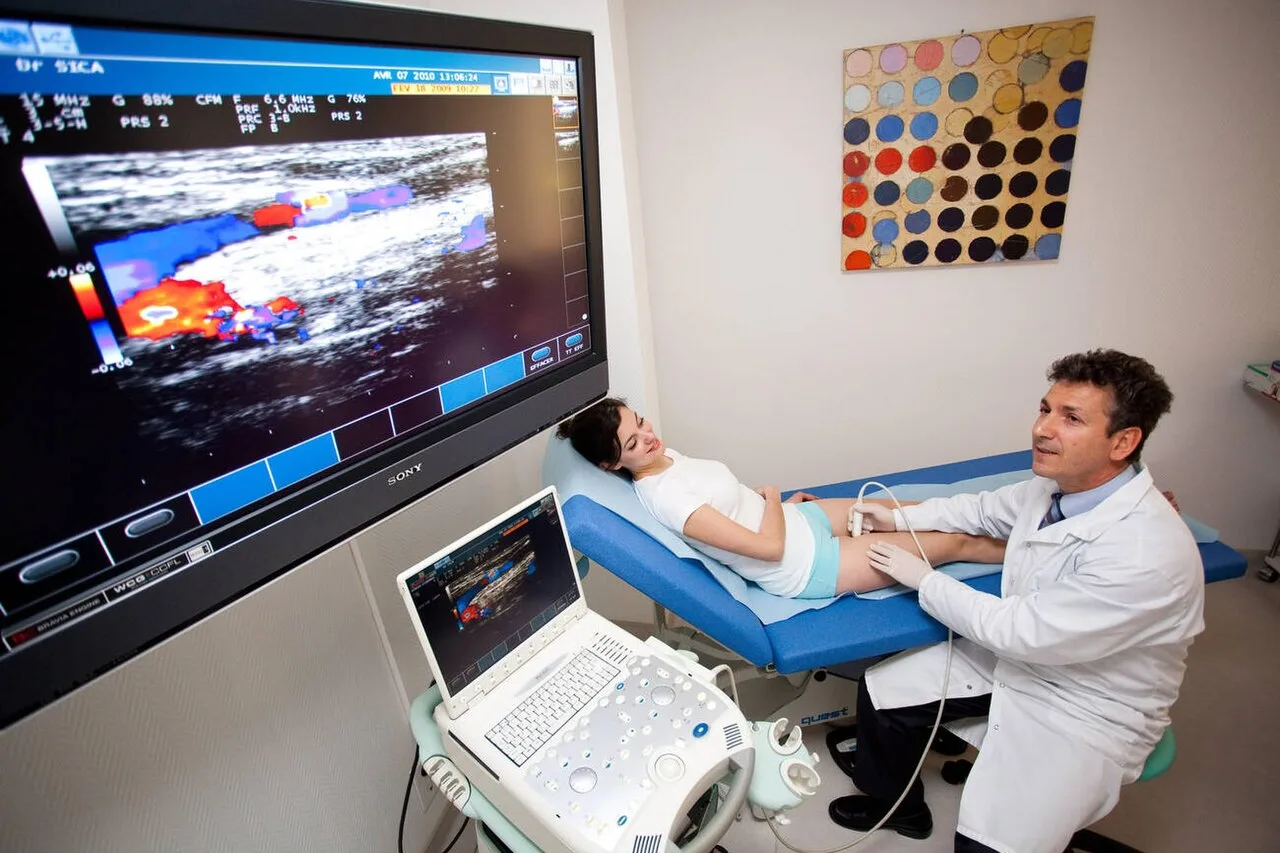
To accurately determine the state of the venous system, performing a Doppler sonography is key. This method allows the doctor to assess the patency of superficial and deep veins and choose the most appropriate approach for the patient.
Treatment is an individual process and can be conservative (medication, compression stockings, lifestyle changes) or interventional. Modern medicine offers gentle and minimally invasive procedures such as:
- Endovenous Laser Ablation (EVLA): a method with a short recovery period and long-lasting results;
- Sclerotherapy: injection of a special agent that leads to the gradual disappearance of varicose veins.
Prevention: How to protect our veins?
Daily habits play a crucial role in prevention. Specialists recommend maintaining a healthy weight, limiting salt and saturated fats, as well as avoiding tobacco products. Physical activity—at least 30 to 60 minutes a day—is mandatory, as is regular movement during prolonged standing or sitting. Blood pressure control, blood sugar monitoring, and stress management are also important.
Note: The information provided is for informational purposes and does not replace professional medical advice. If you experience symptoms, consult a doctor!

Comments (0)