The Labor Market in Bulgaria in 2026: How to Adapt to the New Reality

The Bulgarian labor market in 2026 has undergone a fundamental transformation. Following a period of global instability, professional standards have changed: businesses are no longer just looking for executors, but for strategic partners capable of working in a dynamic and technologically intensive environment.
Transparency and New Rules of the Game
One of the most significant changes is the full implementation of the EU Pay Transparency Directive. This has put an end to vague financial expectations during interviews, as employers are now required to provide the salary or its range directly in the job posting. This practice gives candidates more leverage during negotiations and allows for more efficient filtering of offers.
Key Sectors and Demographic Challenges
The demographic crisis continues to pressure businesses, stimulating investments in the retraining of older workers. While the IT sector is shifting from basic programming toward AI system management and cybersecurity, new sectors are reporting massive growth:
- The Green Economy (ESG): Huge demand for sustainable development specialists.
- Healthcare: Need for administrators working with complex medical software systems.
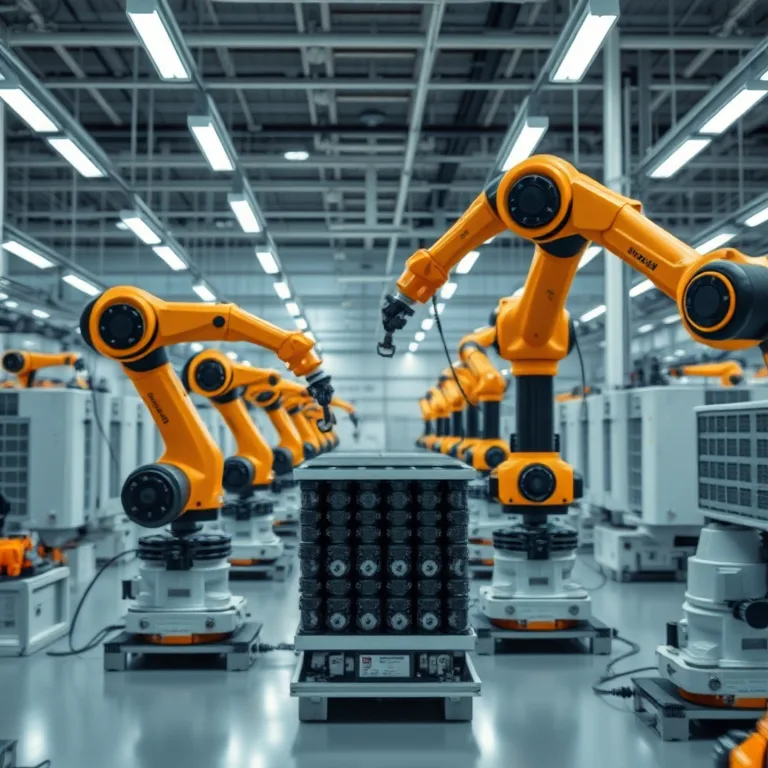
- High-Tech Manufacturing: Automation and robotics engineers, supported by the regional re-industrialization.
Technology in the Recruitment Process
Candidates must be prepared for the "era of algorithms." Over 80% of large companies in Bulgaria use Applicant Tracking Systems (ATS) driven by artificial intelligence. To successfully pass through these systems, resumes must be structured, use precise keywords from the job posting, and focus on specific achievements with numbers and percentages rather than general descriptions of duties.
Soft Skills and the Hybrid Model
In a world where AI can generate code and reports, human qualities are becoming the most valuable currency. Cognitive flexibility, complex problem-solving, and emotional intelligence (EQ) are the factors that win final interviews. In parallel, the hybrid work model (a combination of office and remote work) has established itself as the standard, requiring employees to balance productivity with teamwork skills.
Lifelong Learning
In 2026, an academic degree is only a foundation, not a guarantee of success. "Lifelong learning" is mandatory. Micro-credentials and specialized courses (bootcamps) for working with new technologies are key to maintaining competitiveness in the market.

Comments (0)