Systemic neglect of infrastructure leads to water crisis in Bulgaria
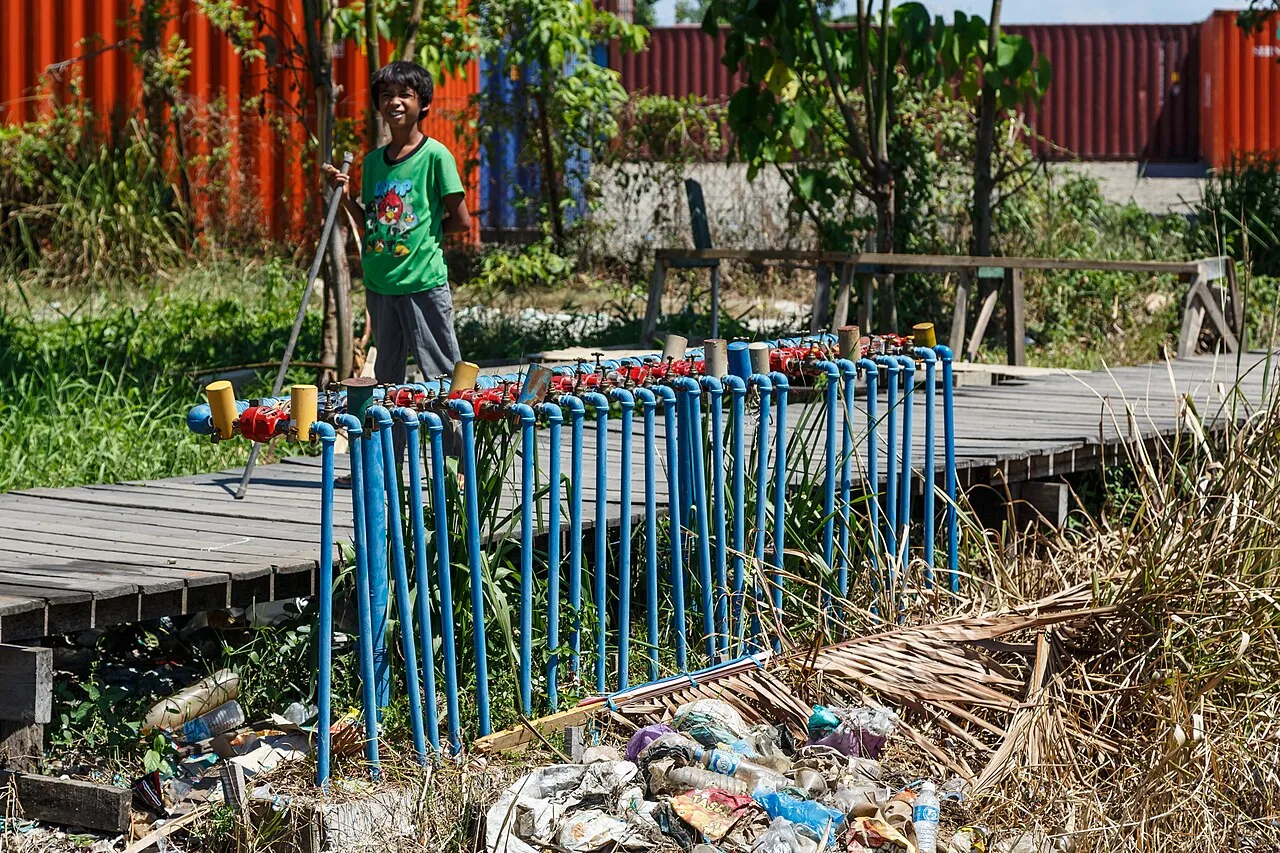
Bulgaria is facing a serious water crisis affecting many settlements, forcing them to switch to strict water rationing during the summer months. Although the country possesses rich water resources, natural lakes, and mountain springs, the paradox is due to a combination of climate change and decades of systemic neglect of underground infrastructure.
Huge losses in transmission networks
One of the main factors for the deficit is the critical condition of the water supply networks. The percentage of drinking water loss in the transmission systems of a number of regional water utility companies exceeds 60% and even 70%. This means that a significant portion of the water pumped from reservoirs and springs is lost due to outdated, rusted, and compromised pipes before reaching the end users.
Investment deficit and poor planning
The process of replacing the aging network is progressing at a slow pace. The main obstacles to modernization are the lack of sufficient investment capital, as well as poor planning by local and central authorities. In parallel, the agricultural sector is also affected by the lack of modern irrigation systems, which forces farmers to use unregulated subsoil irrigation.
Additional pressure factors
The water system is also under pressure from illegal connections to the network, unlimited industrial use of resources, and the lack of strict sanctions for their wastage. According to the analysis, without a large-scale national program for the modernization of water pipelines, reservoirs, and treatment facilities, the crisis could threaten the economic development of entire regions and lead to a significant deterioration in the quality of life for citizens.


Comments (0)